anti-fascist solidarity work in the 1930s
After the Nazis took power in Germany in January 1933, political refugees from the German labour movement began to flock to Denmark. During the 1930s, both the Social Democratic Party and the Communist Party of Denmark set up various committees and solidarity networks to support these ‘German emigrants’, as they were called at the time.
Among other things, the communist aid network, the Danish Red Aid, came to play a role in this work.
At the same time, the communist refugees themselves organised several initiatives, including the Emigrant Home on the City Hall Square and the publication of a German-language magazine, Deutsche Nachtrichten, for refugees.
Solidarity with the German labour movement also took on more militant expressions. For example, in connection with the trial of the suspected perpetrators of the Reichstag fire, many acts of vandalism were carried out against German consulates in various Danish provincial towns.
Another issue that dominated the Danish left in the 1930s was the Spanish Civil War 1936-39, when the democratically elected and left-wing Popular Front government was overthrown by a nationalist uprising supported by fascist Italy and Nazi Germany. Around 550 people – mainly communists and Trotskyists – went to Spain as volunteers on the side of the government. In Denmark, the left and parts of the trade union movement were involved in various relief efforts, including the Committee for Spanish Children’s Stay in Denmark.
Against US imperialism and apartheid
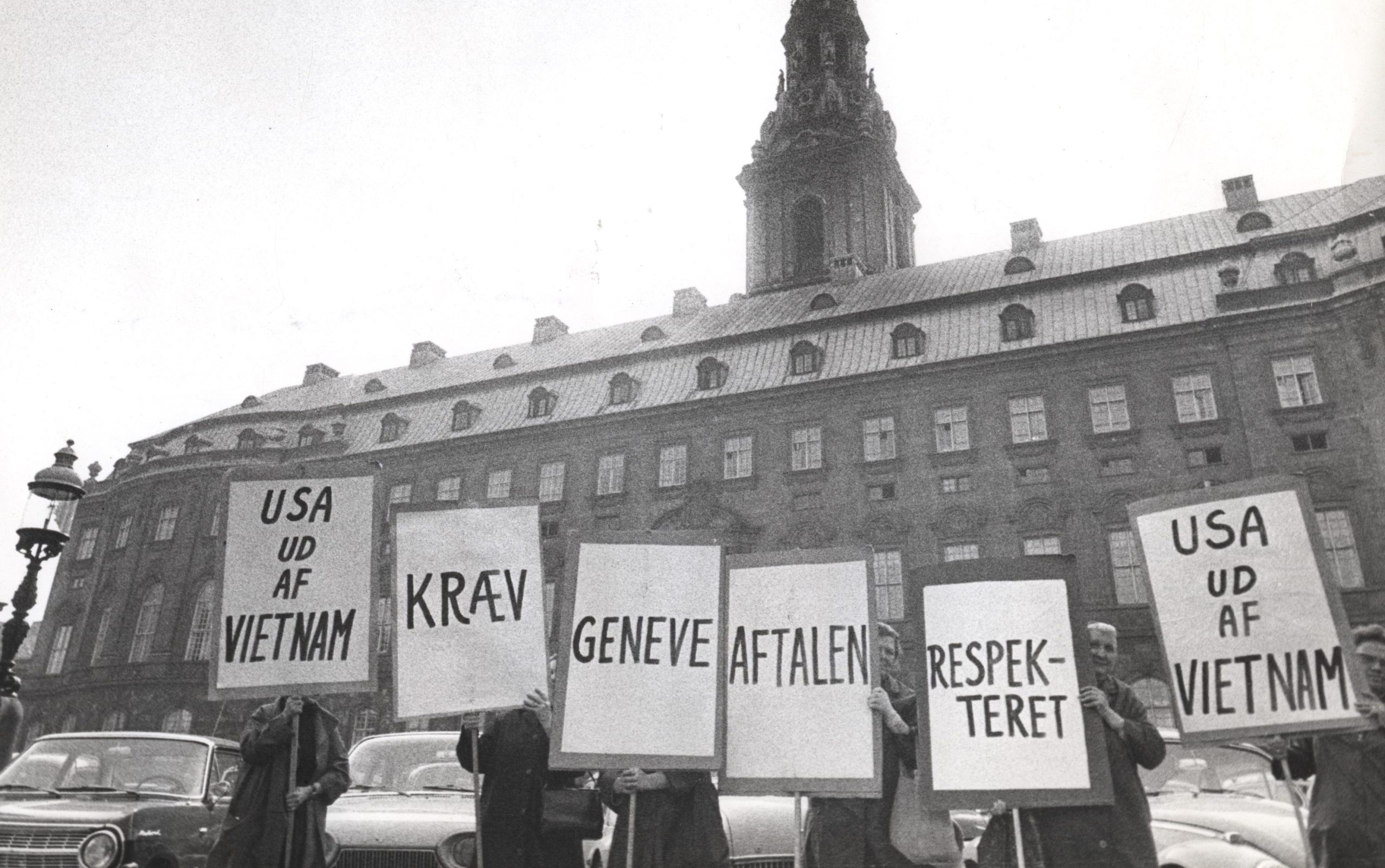
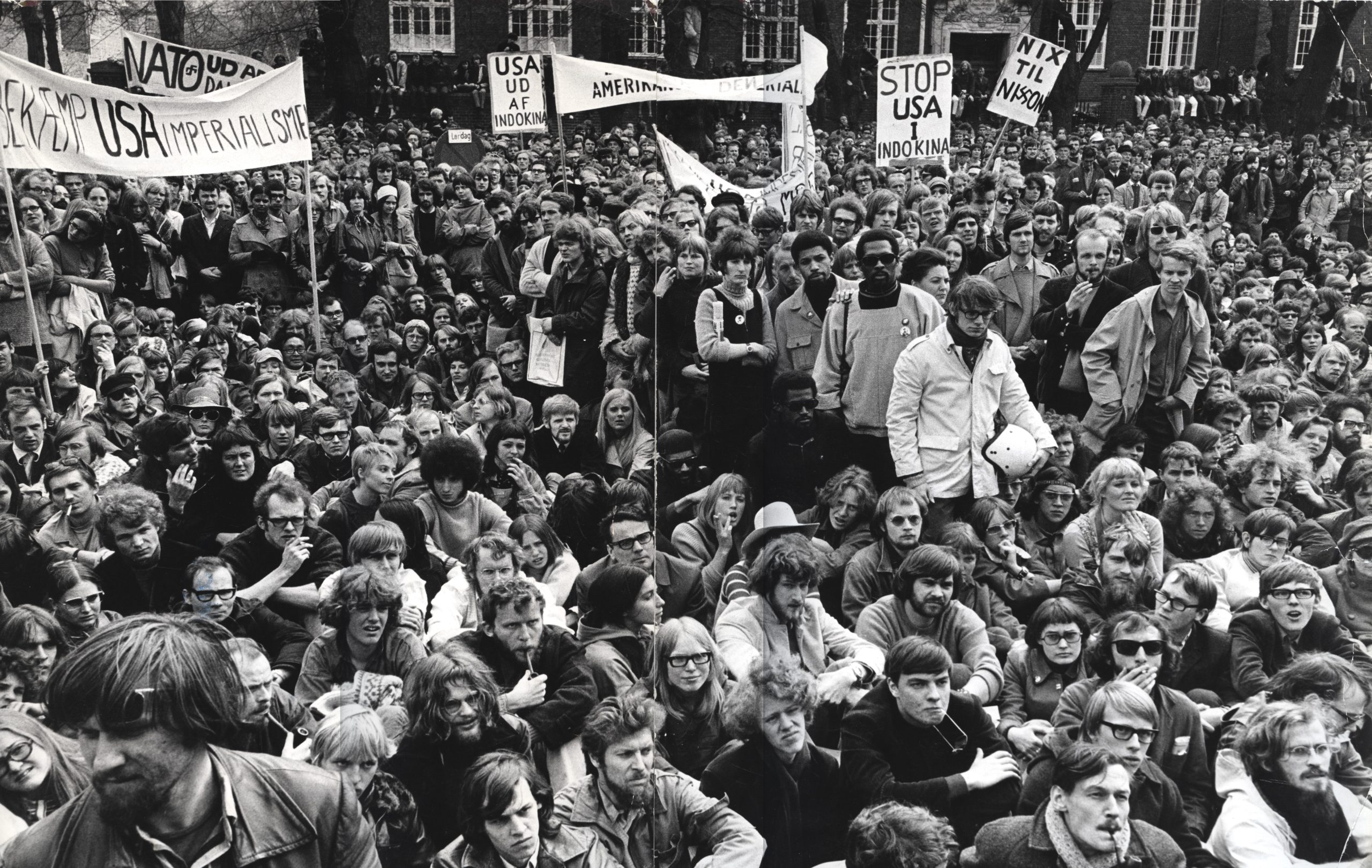
In the 1960s, the New Left in particular became involved in opposing the US war in Vietnam. In 1969, a group of students established the Student Vietnam Action, which, among other things, raised awareness and organised protest demonstrations.
The black struggle for equal rights and democratic influence in the US also occupied many on the left. In 1973, several organisations invited the founder of the Black Panther Party, Huey P. Newton, to speak at the People’s House on Enghavevej.
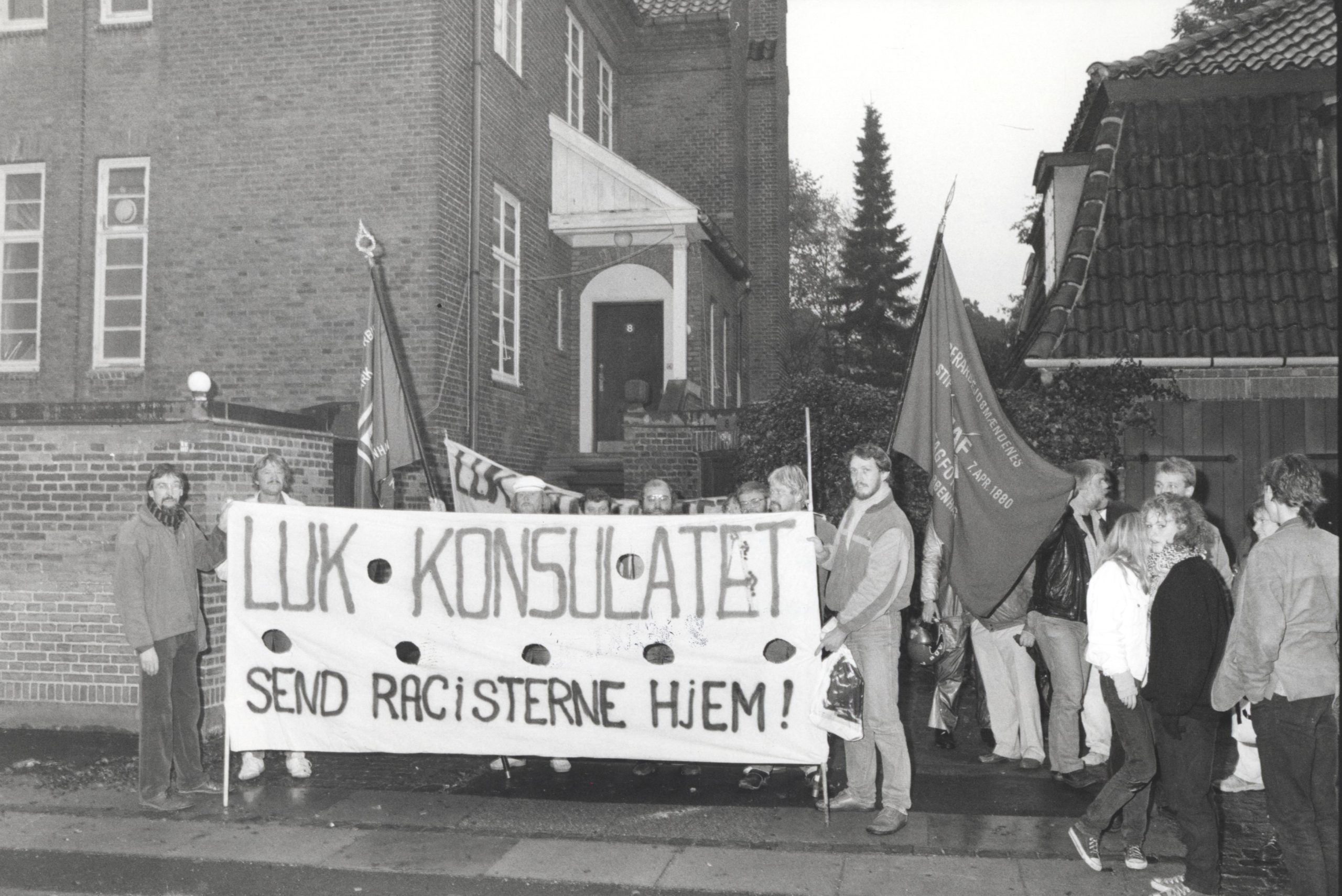
During the 1970s, another struggle against racist oppression became more and more important in solidarity work, and in the 1980s, it became one of the most important international struggles for the Danish left.
 Search