Search
World Heritage nomination between Denmark, Australia and Belgium
The Workers’ Museum has been working for several years on a transnational serial nomination for inscription on UNESCOs World Heritage List, together with workers’ assembly halls in Broken Hill (Australia), Melbourne (Australia), and Ghent (Belgium).
The World Heritage nomination was sent to the UNESCO World Heritage Centre in Paris in January 2026. An answer to whether the buildings will become a World Heritage Site is expected mid-2027 at the earliest. The entire report can be accessed here: Nomination Document.pdf
The World Heritage List stems from UNESCO’s World Heritage Convention (1972), which aims to recognise, preserve and protect natural and cultural sites throughout the world that have outstanding universal value and represent major developments in nature or history for all humanity. The international democratic labour movement that emerged in the years from the 1850s to the 1910s is an important period that paved the way for the labour movement that followed.

The nominated Workers’ assembly halls:
Broken Hill Trades Hall (Australia)

Broken Hill Trades Hall is a workers’ assembly hall built in 1898 and located in the remote mining town of Broken Hill in the Australian Outback. Trade union activities had a major impact on the political, economic and social life of Broken Hill and the Broken Hill Trades Hall was the central location for meetings and organising.
It is one of the world’s most isolated workers’ assembly halls and illustrates how industrialisation, urbanisation and mass immigration went hand in hand with the spread of the labour movement.
Broken Hill Trades Hall is associated with fierce labour disputes, such as strikes, and has close ties to the development of the Australian Labor Party. Important labour rights of international significance, such as the 35-hour underground work week for miners, were first introduced here.
Today, the building is still owned by the Broken Hill Trades Hall Trust, which manages the building on behalf of the unions and the Broken Hill community.
Victorian Trades Hall (Australia)
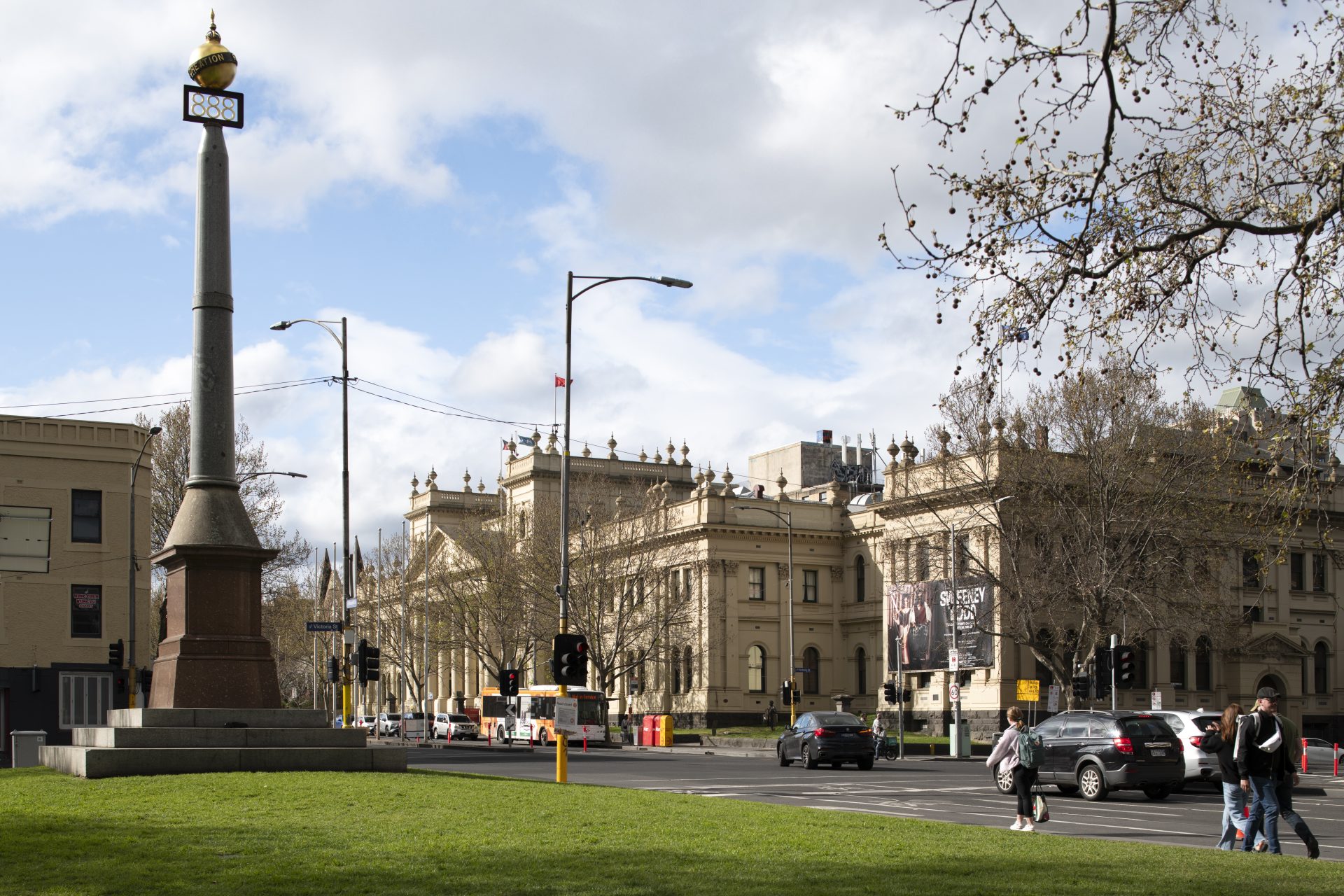
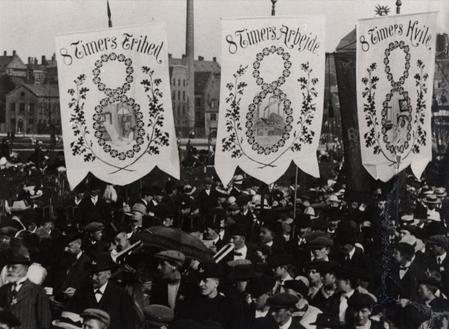
Built in 1874, the Victorian Trades Hall is considered to be the world’s oldest workers’ assembly hall. The first building from 1859 was built on the same site as the current one from 1874. Located in the centre of Melbourne, the building has played a crucial role in the fight for labour rights in Australia for over 150 years. It has often been at the forefront of global movements, most notably the fight for the eight-hour workday – one of the world’s first and most successful labour movement campaigns.
Today, the building still serves as the headquarters for a number of unions and labor organisations in the state of Victoria, including the Victorian Trades Hall Council, which represents over 40 affiliated unions.
Read more about the building on the Victorian Trades Hall website: https://www.weareunion.org.au/history
Feestlokaal Vooruit (Belgium)
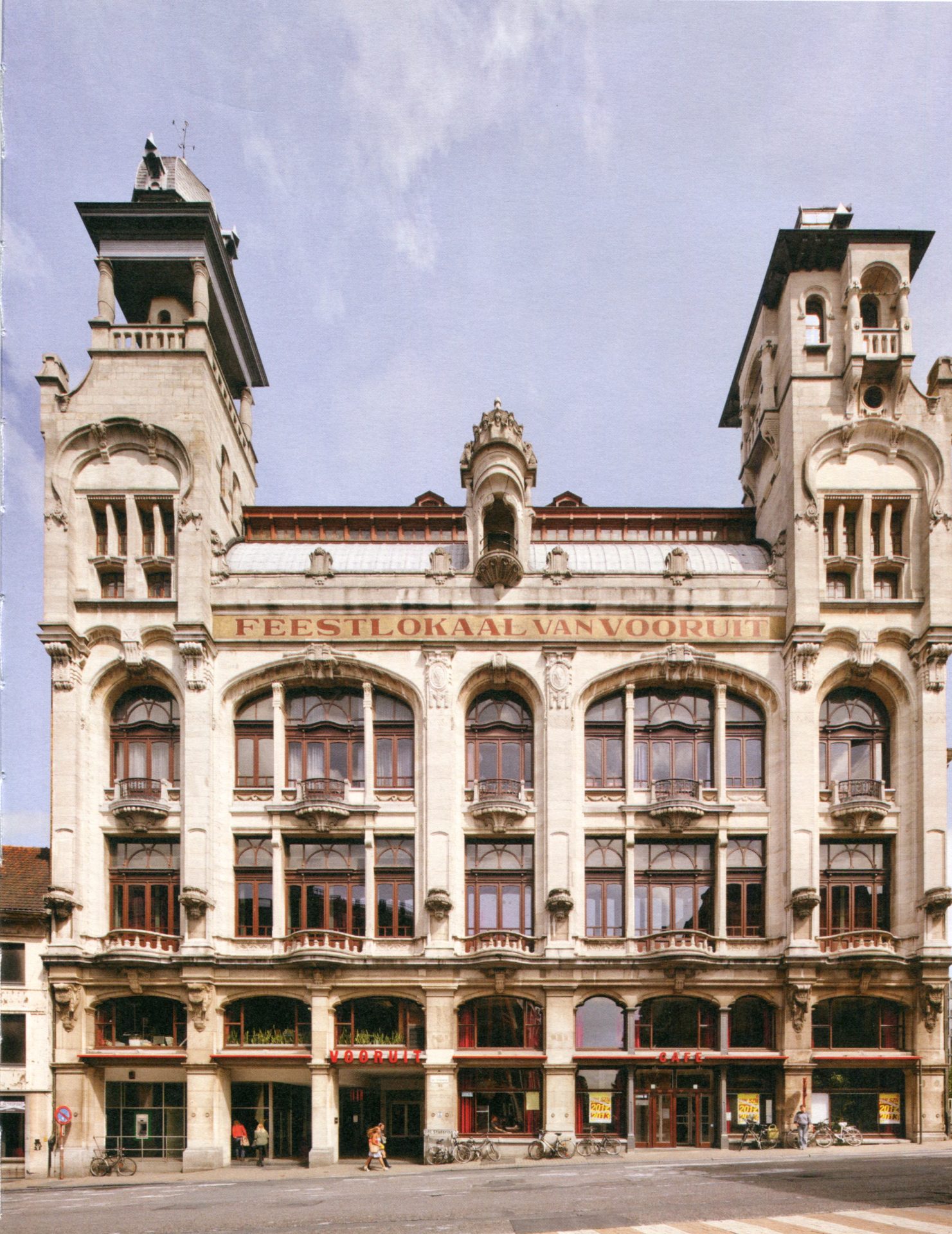
Feestlokaal Vooruit was built in 1914 in Ghent. It is the best preserved example of a workers’ assembly hall in Belgium – the country that historically had the largest concentration of such buildings in the world. In Belgium, they became known as people’s houses.
Feestlokaal Vooruit became a model for similar workers’ assembly halls in Europe, especially in France. The building is a strong example of how workers’ assembly halls were often linked to cooperatives and a powerful symbol of the success of consumer cooperatives in organising and bringing workers together.
Today, Feestlokaal Vooruit functions as a living cultural centre and is still owned by the cooperative but managed by the cultural centre VIERNULVIER. It remains an open and inclusive hub for cultural, social and educational activities.
Read more about the building on the VIERNULVIER website: https://www.viernulvier.gent/en
Arbejdernes Forenings- og Forsamlingsbygning (Denmark)
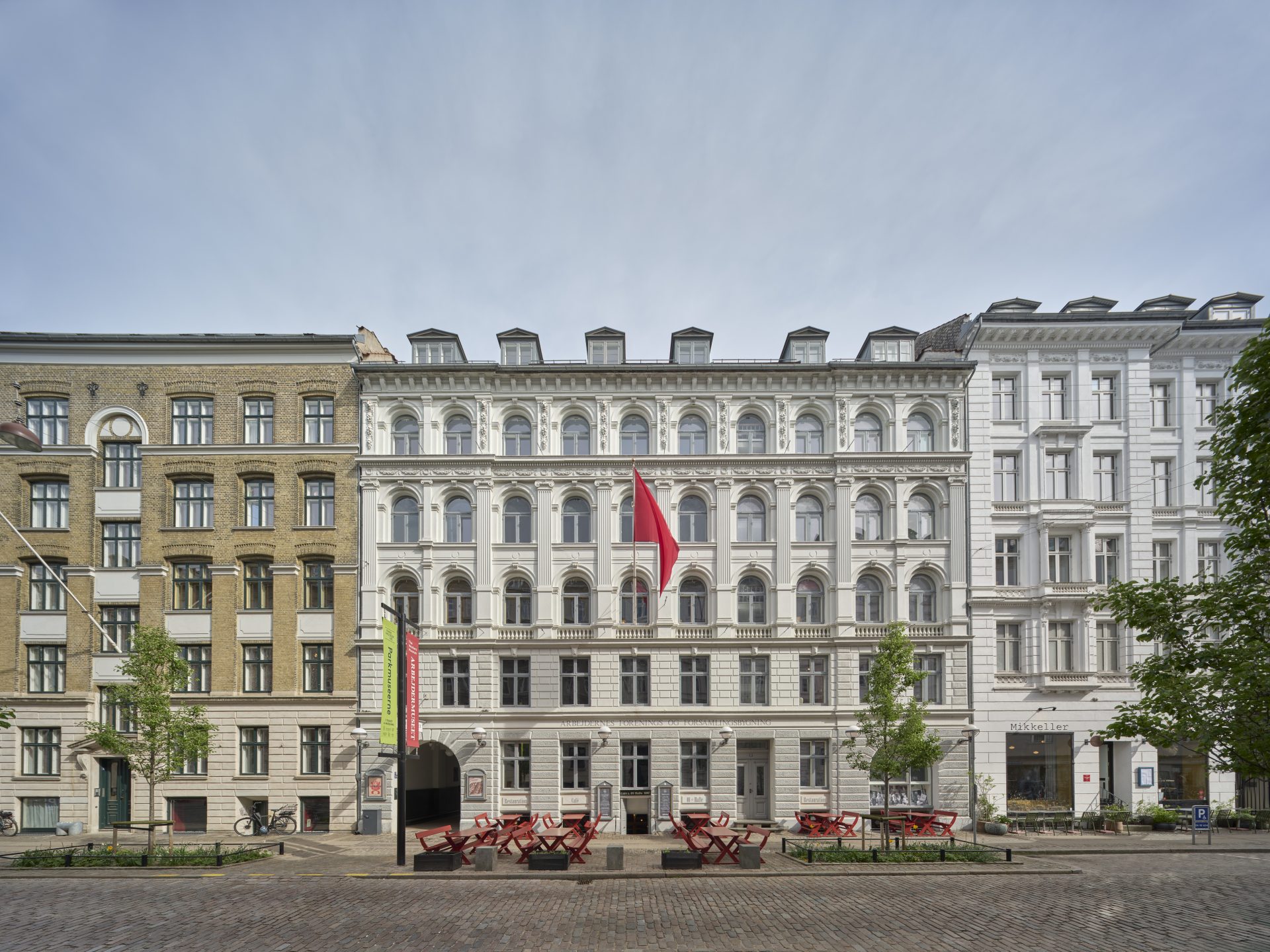
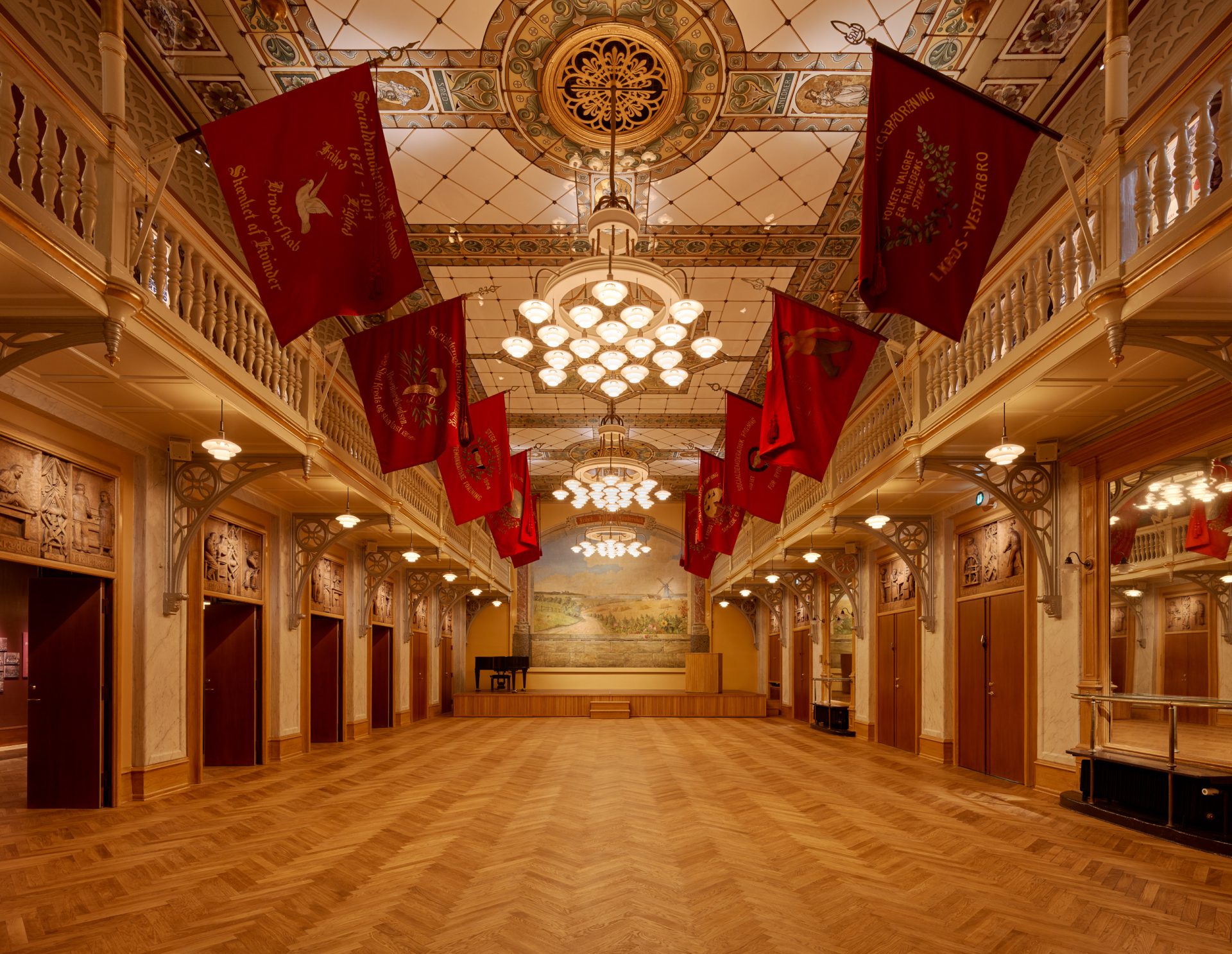
Arbejdernes Forenings- og Forsamlingsbygning was built in 1879 and is probably Europe’s oldest workers’ assembly hall. The main part of the building was constructed in one single building phase – despite very limited financial means – and testifies to the enormous importance of a self-governed and multifunctional building for the workers.
For 103 years, the building served as a gathering place for the Danish labour movement before it became home to The Workers’ Museum. The original division of rooms has been preserved, showing the building’s versatile use, and the historical decorations have been carefully restored.
The building is still an iconic meeting place for the labour movement and is the setting for commemorations of special events – including May Day demonstrations.
The four buildings have been selected on a number of strict criteria that ensure the nominated buildings are the best examples of workers’ assembly halls from the formative period.
However, there are thousands of workers’ assembly halls in the world of different character, purpose and size. Not all of them can be included on the UNESCO World Heritage List, so this UNESCO project has also created a StoryMap (an interactive map showing many workers’ assembly halls and sites around the world, with more being added all the time).
You can view our StoryMap here.
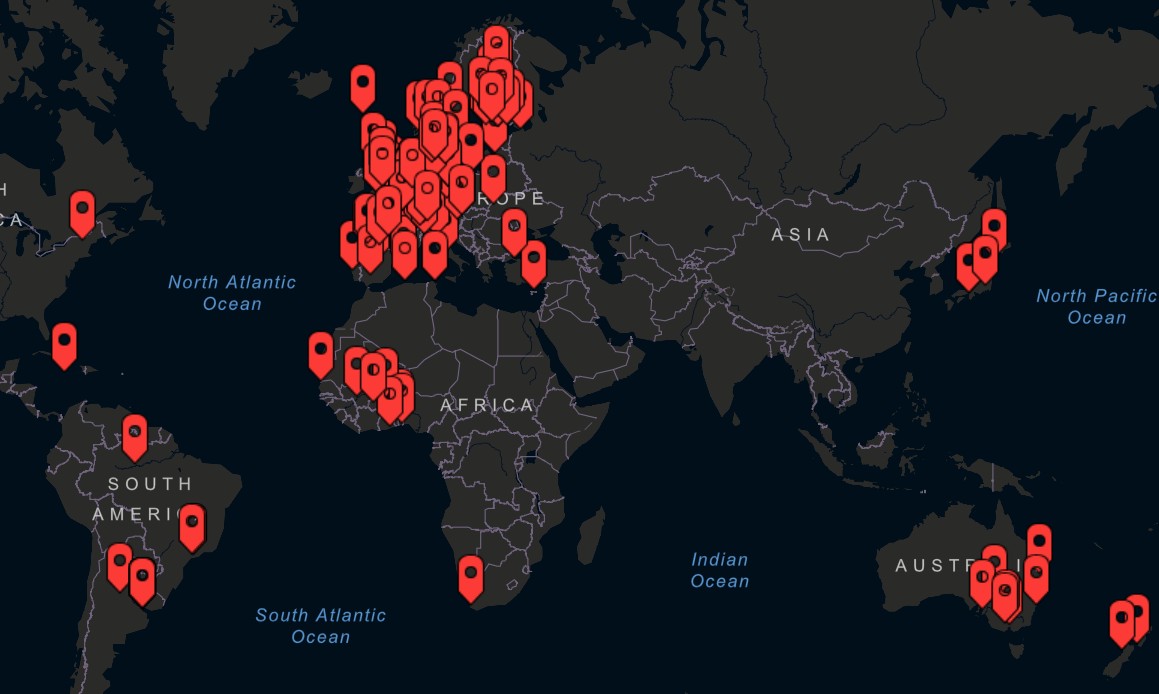
Workers’ Assembly halls as World Heritage Sites
Here you can read about:
What is a workers’ assembly hall?
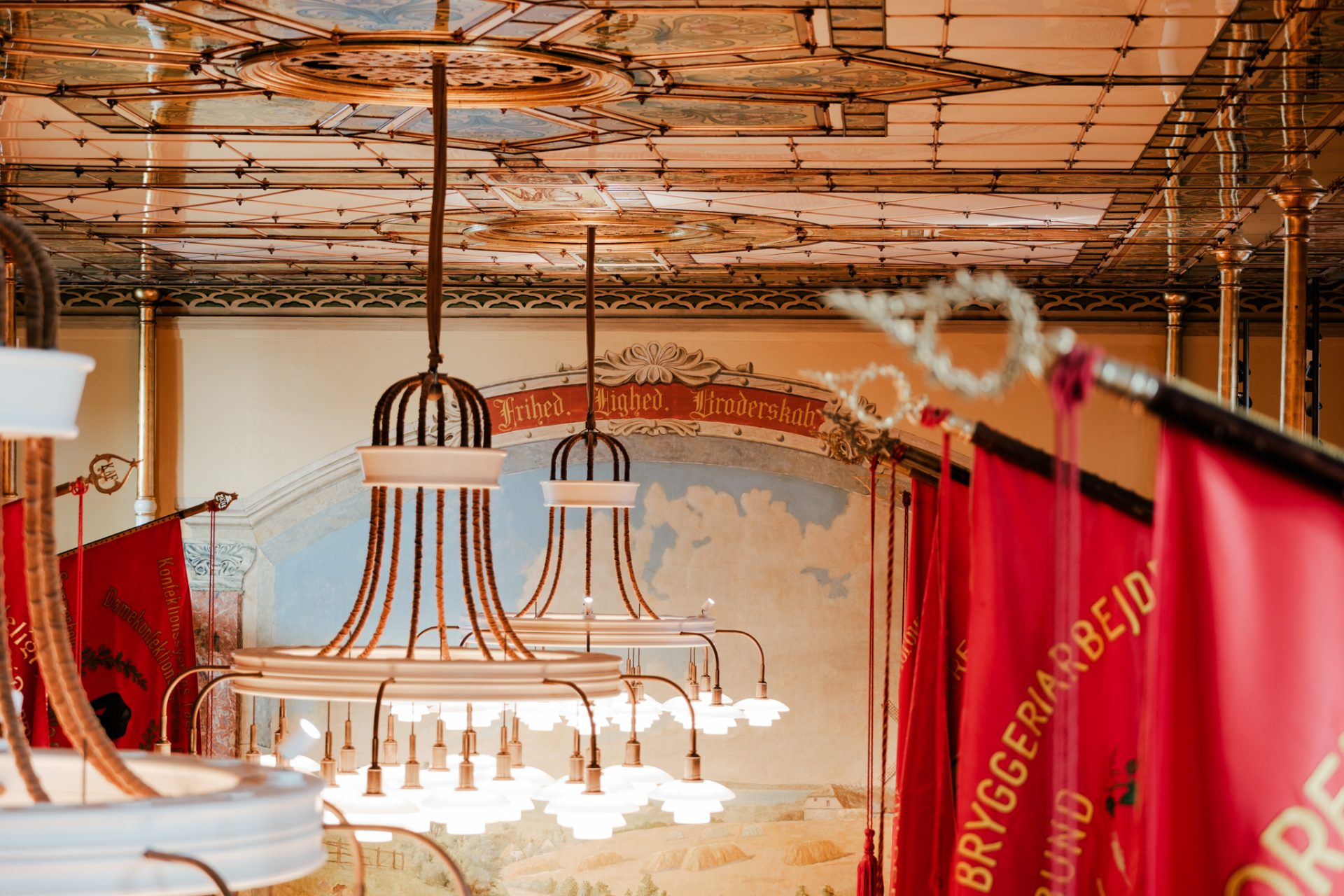
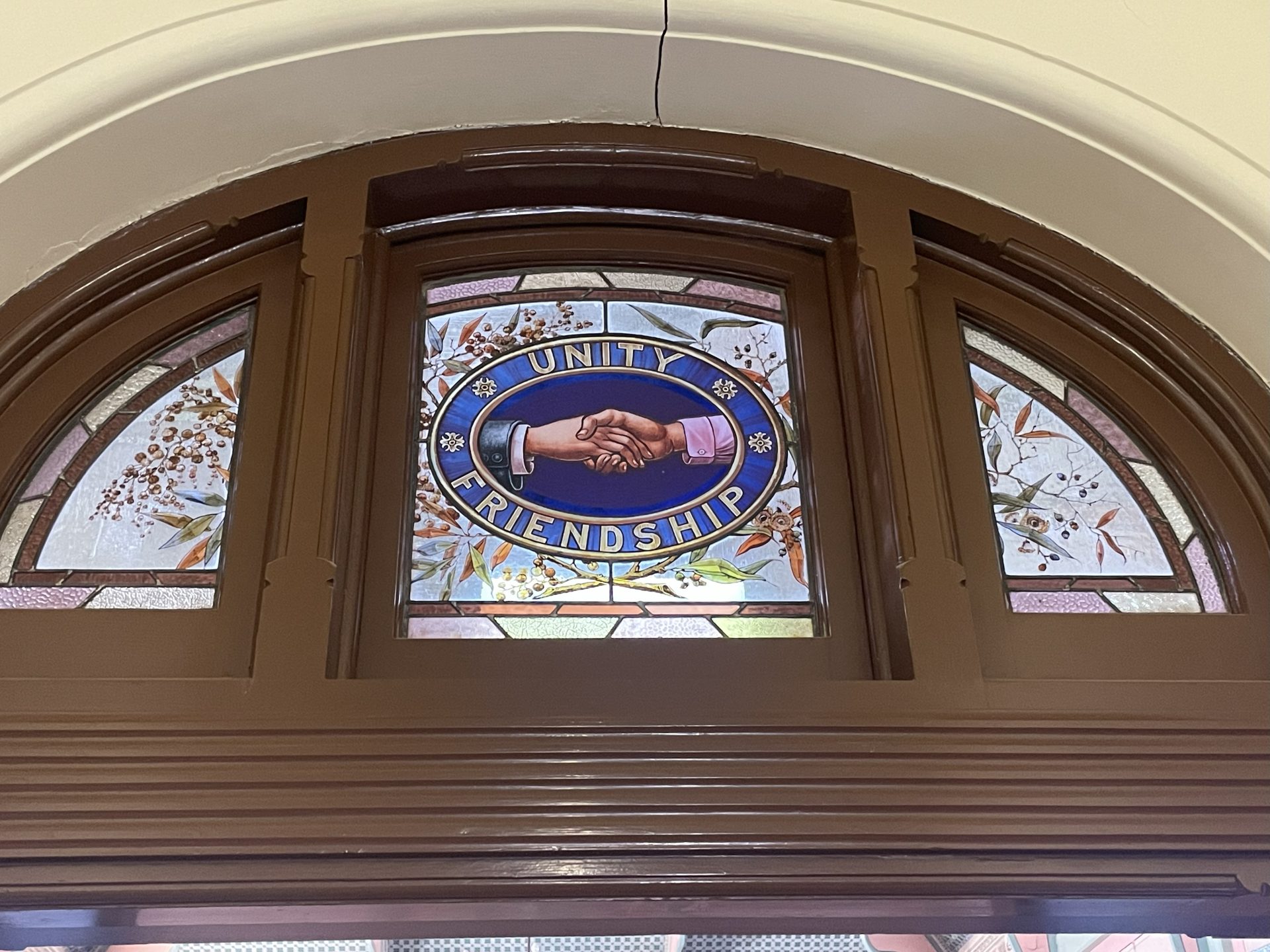
Workers’ assembly halls can be found all over the world, in every country that has or has had a labour movement of various kinds. The main purpose has always been to provide a multifunctional meeting place for workers where both social and cultural, but also political activities could take place and to create a common working class identity. The meeting places were very much needed to establish mass organisation of workers where they could fight together for better conditions and a real place in society. They functioned as administrative centres. It is a building with a characteristic layout consisting of one or more large meeting rooms, smaller meeting rooms, offices, a restaurant and service areas such as kitchens or apartments. The buildings show working-class pride, identity and liberation combined through the use of established architectural styles, a variety of craft techniques in interaction with decorations such as banners and slogans as for instance Freedom, Equality and Brotherhood.

| 1.Architectural attributes | |
| Large meeting spaces | A spacious main meeting hall designed to accommodate large assemblies, gatherings, and union meetings. Often includes a stage or raised platform for speakers and multifunctional use. |
| Ornamental and functional design | Architecture emphasises the practicality of form that follows function, with affordability at the same level of importance. All workers’ assembly halls incorporate common symbolic motifs (e.g.– labour emblems, socialist symbols, banners). |
| Flexible interior layout | Movable seating, open floor areas, and adaptable and flexible spaces for multiple activities (meetings, social events, education). |
| Prominent façade | Most workers’ assembly halls feature a fine façade(s) facing the main street(s) and their intersections, symbolising the visibility and legitimacy of labour movements. |
| Key associated facilities | Offices for union administration, classrooms or libraries for workers’ education, and sometimes recreational spaces (cafés, theatres, reading rooms and sports facilities). |
| 2. Functional attributes | |
| Mass assembly and decision-making | The main purpose was to provide a platform for political Primary function as a venue for collective deliberation, decision-making, and democratic participation of workers. |
| Union and cooperative administration | Many workers’ assembly halls housed union or cooperative headquarters, providing offices for representatives and spaces for organising campaigns or negotiations. |
| Educational and cultural role | Venues for adult education, literacy classes, political training, and sporting and cultural events (theatre, festivals, music, dance, dinners, lectures, boxing). |
| Social and mutual support | Often served as social hubs, providing opportunities for workers to gather outside work, celebrate achievements, or access mutual aid. |
| 3. Symbolic attributes | |
| Representation of solidarity | The building itself symbolised workers’ unity, collective power, and rights to organise and self-represent. |
| Expression of autonomy | Most were funded or built directly or indirectly through workers’ contributions, signifying independence from state or employer control. |
| Political and historical significance | Sites of major strikes, negotiations, or political events, embedding them in the historical memory of labour struggles. |
| International connections | Especially in transnational movements, these workers’ assembly halls symbolised the shared struggle of workers worldwide. |
| 4.Contextual attributes | |
| Urban working class locations | Typically situated in industrial cities or working class neighbourhoods, close to factories, mines or ports. |
| Accessibility | Easily reachable by workers on foot or public transport, reinforcing their function as a democratic and convenient space. |
| Chronological period | All component parts are related to the formative period of the international democratic labour movement from the 1850s to the 1910s, coinciding with the rise of organised labour movements and social democracy, and the early construction of workers’ assembly halls. |
When were they built?
This type of building is diverse in architectural expression, always to assert the presence of the labour movement in the cityscape. The buildings nominated in this transnational series were all built during the formative period of the international democratic labour movement from the 1850s to the 1910s. This is the period when the labour movement emerged and established itself. Workers’ assembly halls are also built after 1920. In the 1920s to 1940s, the labour movement is characterised by two very contradictory trends: 1) the consolidation of the trade union movement in many democratised countries and 2) the destruction of trade unions in countries marked by war and fascism. During this period, the buildings look a little different and in the post-1950 period, the buildings become much more administrative because the labour movement and the need for spaces for assembly has changed.
Why is it worthy of UNESCO World Heritage Site status?
The UNESCO World Heritage List already includes sites that represent industrialisation. These include various mines, working-class communities like New Lanark in Scotland or the Royal Exhibition Building in Melbourne. The latter is a reminder of the 19th century international exhibition movement that promoted a global exchange of products and ideas. But there is nothing on the World Heritage List that celebrates the people who made the industrialisation possible. The people behind the machines. A transnational serial nomination of workers’ assembly halls will represent the organisational framework for cultural, social, political, and educational aspects of the working class and their great work to claim a place in society. The workers’ assembly halls played a crucial role in the development of the labour movement. Therefore, this series will add a new topic to the World Heritage List and help make the list more representative of ordinary people. Hopefully, it will also pave the way for other nominations that represent people’s everyday lives and rights and show that the labour movement’s legacy of fighting for good living and working conditions belongs to everyone.
Why is it a serial nomination?
The workers’ assembly halls, an international phenomenon found across world, stand as a collective testament to the international democratic labour movement. Together, they represent one shared history, one international struggle for better conditions and one potential World Heritage Site.
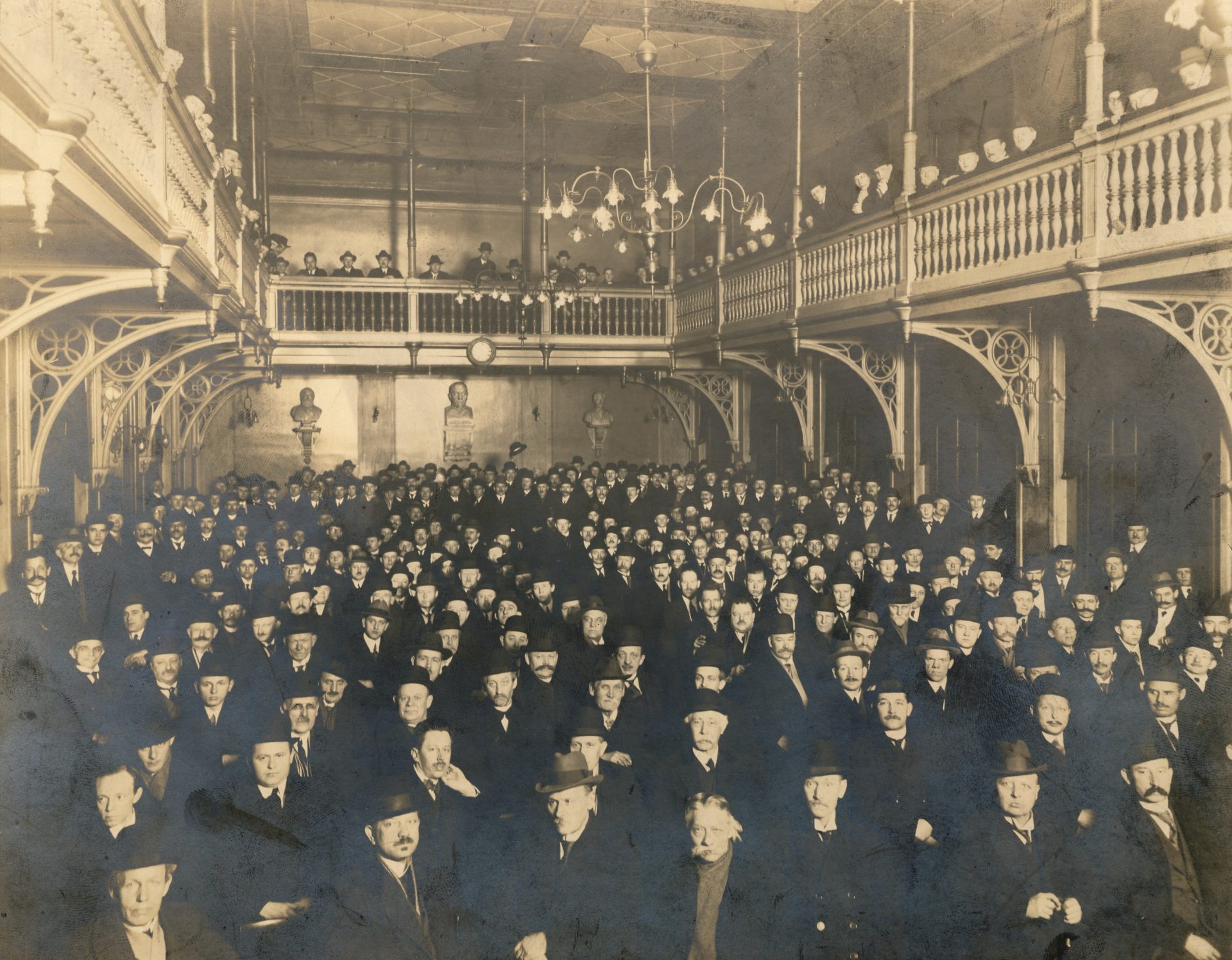
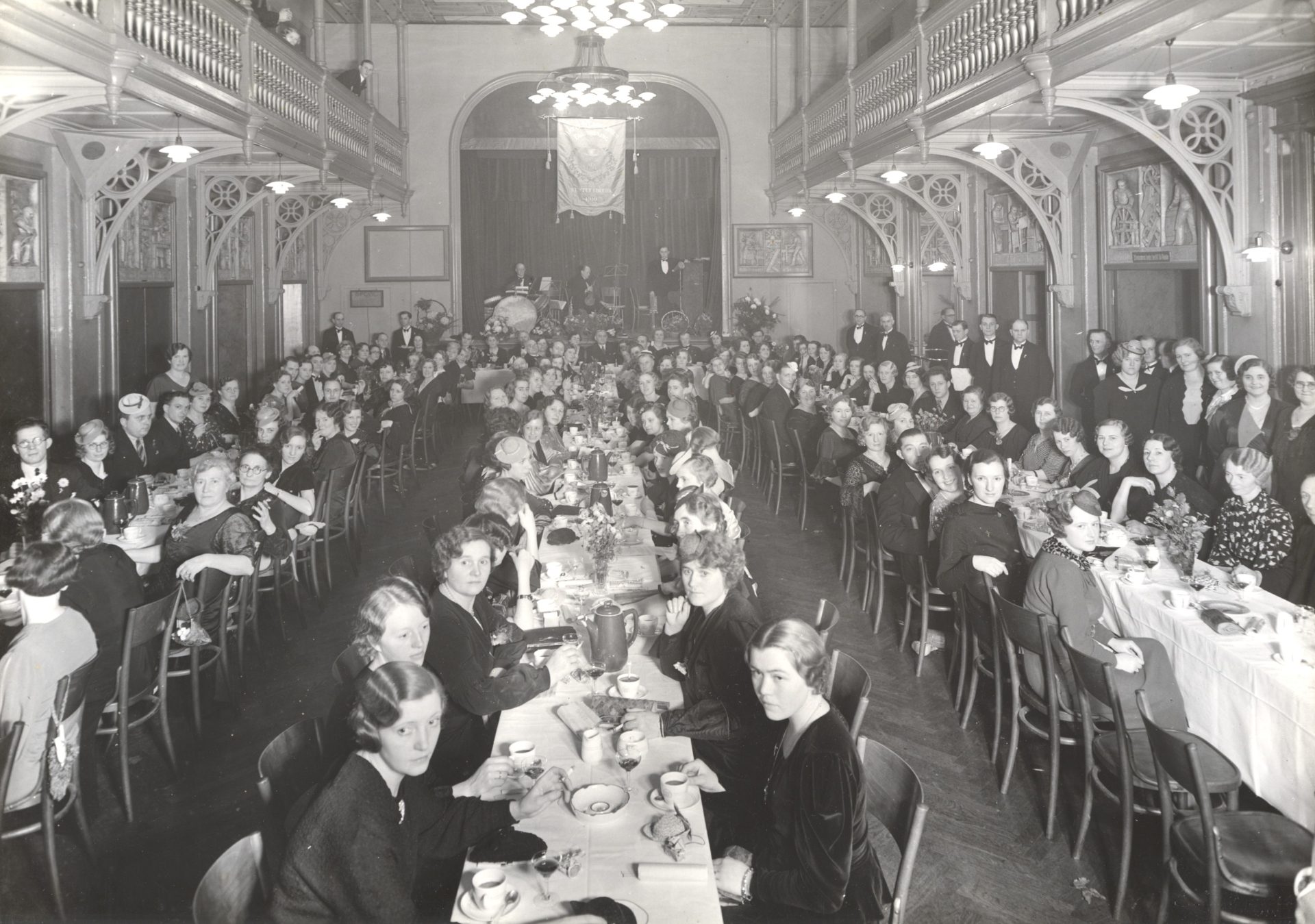
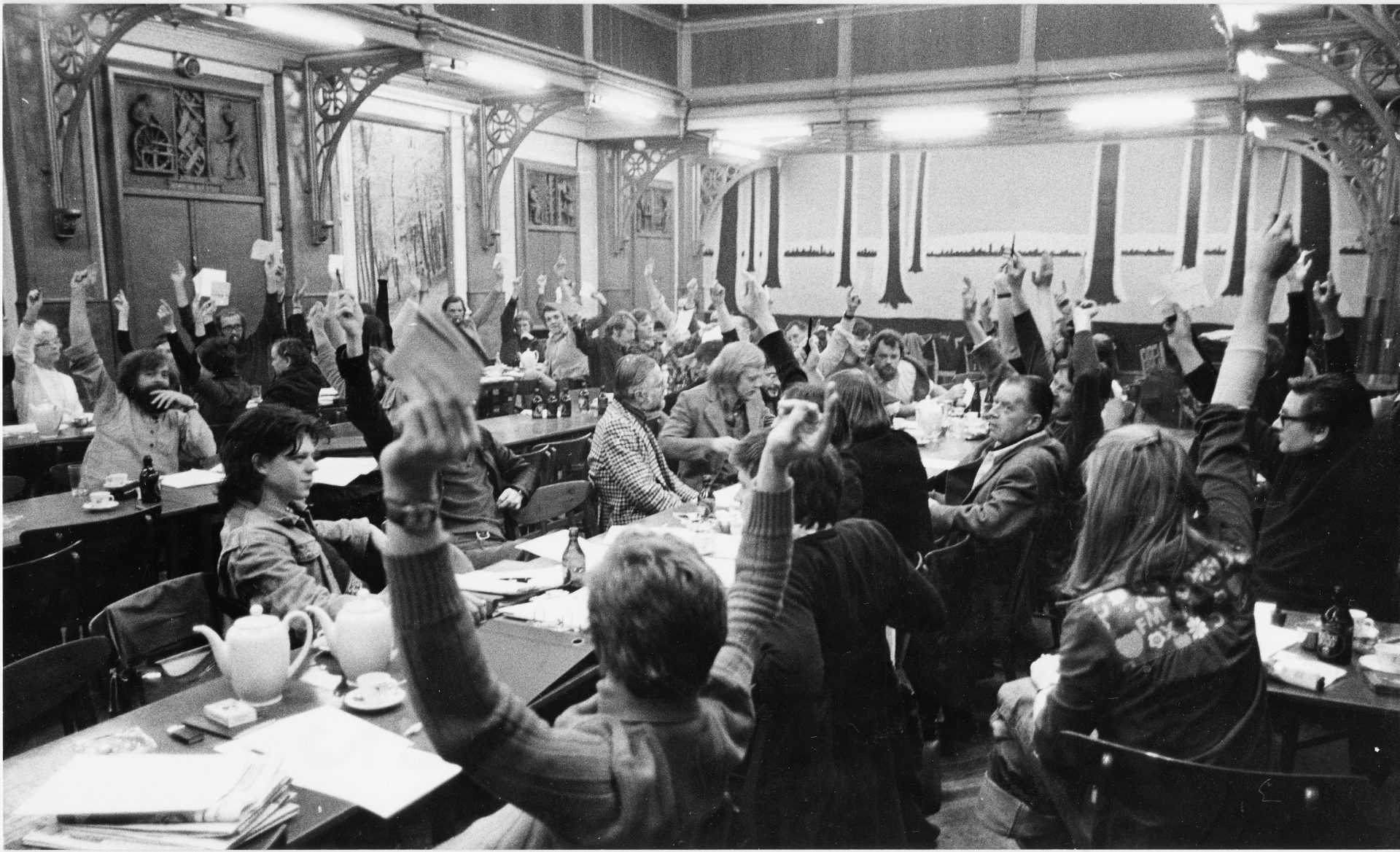
A central part of all the workers’ assembly halls is the main meeting room, a gathering place for large meetings, parties and activities.
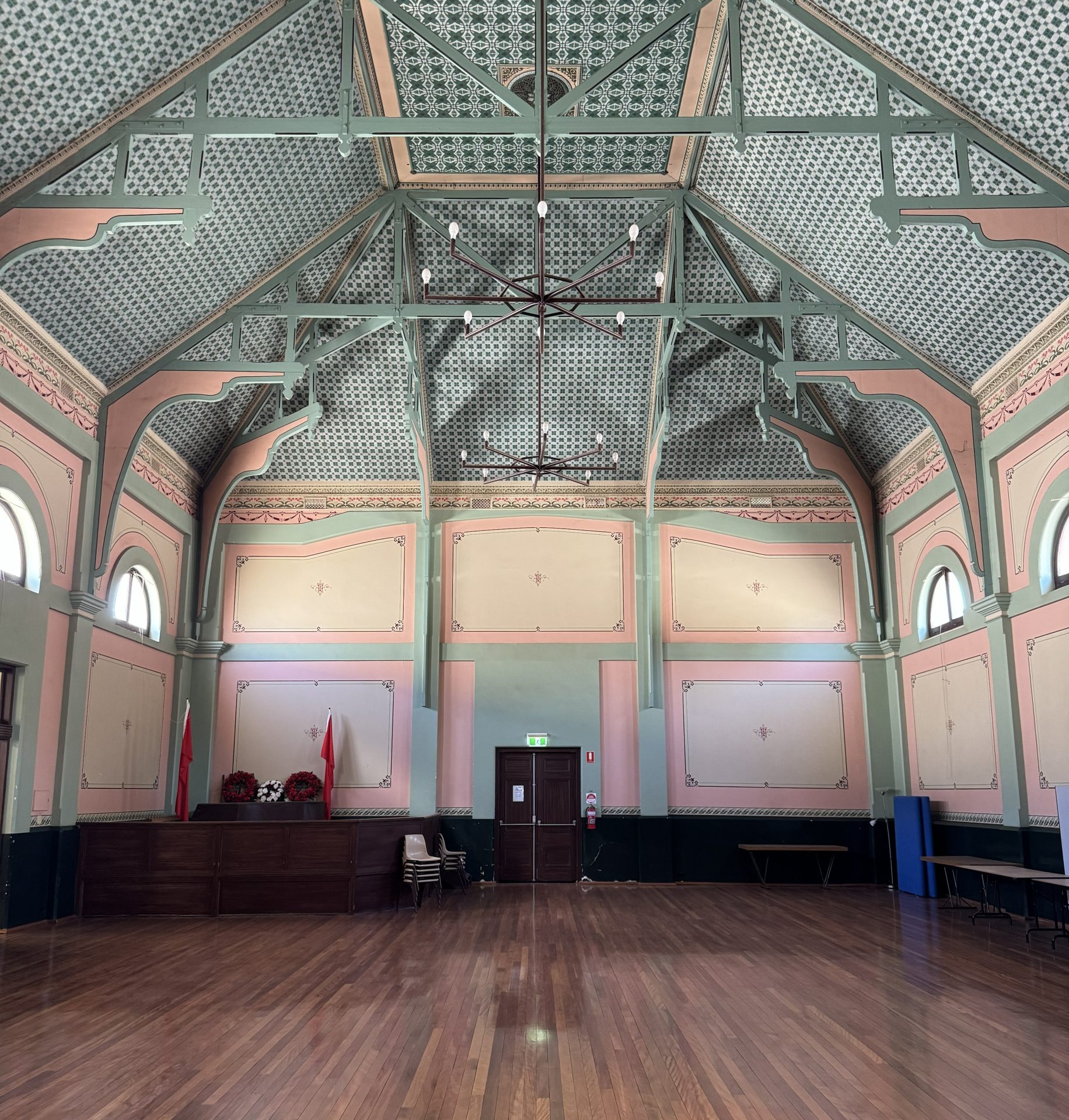
Photo: Christl Høj Hansen.
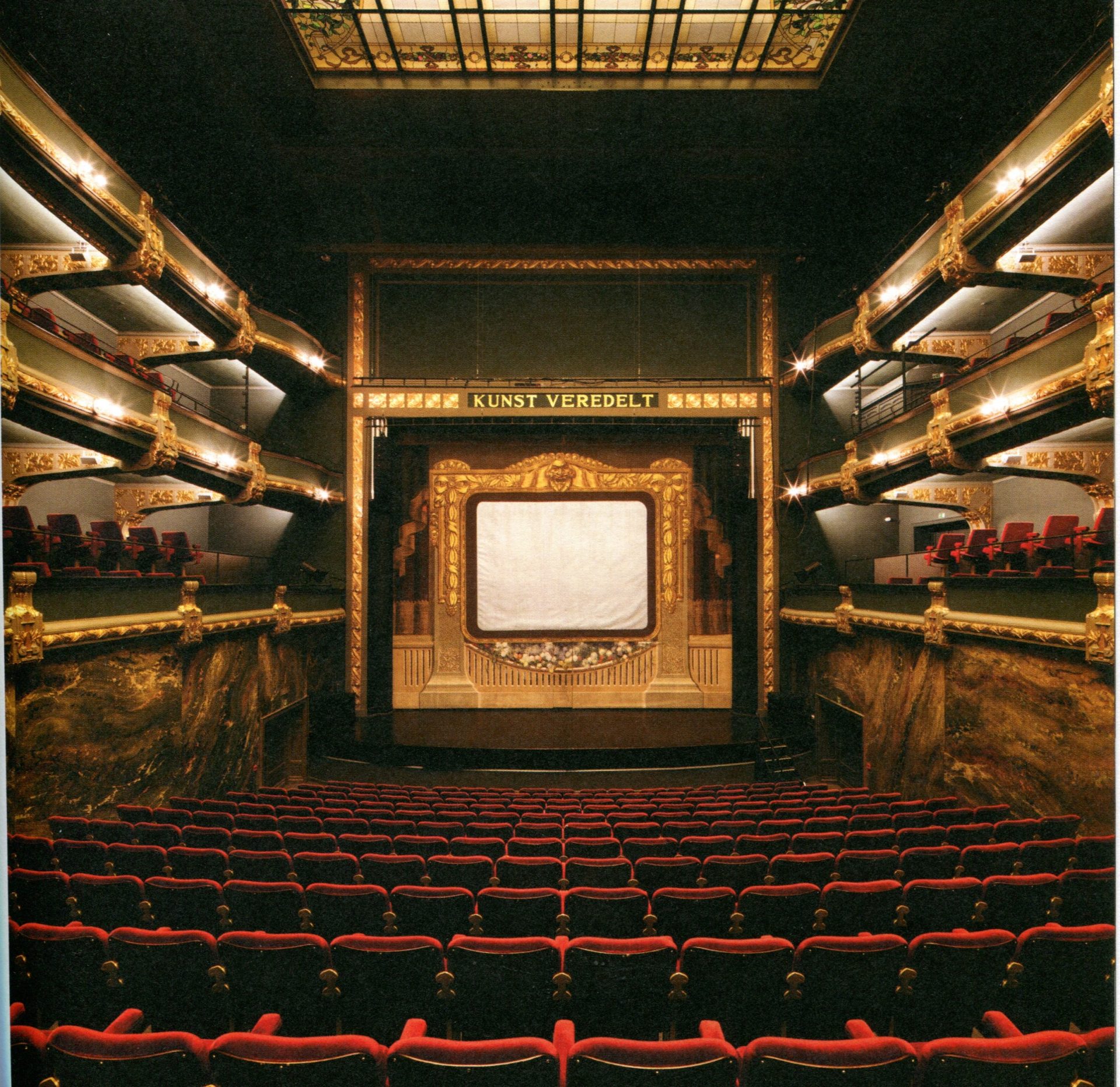
Photo: Karin Borghouts.
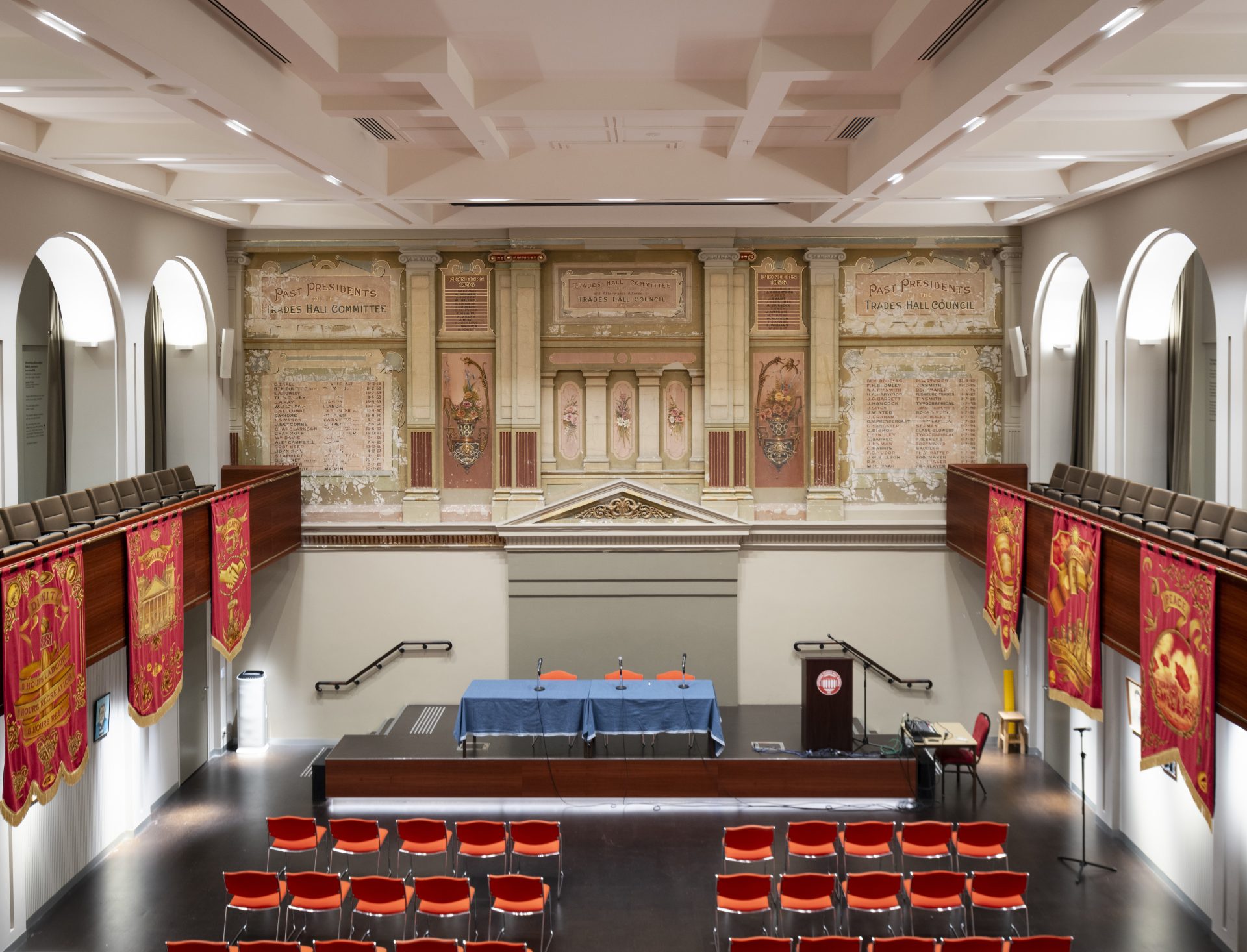
Photo: © Hin Lim Photography.
What is World Heritage?
World Heritage is defined as natural and/or cultural heritage of outstanding universal value. Often these are buildings, cities, natural areas or cultural landscapes. Being designated as a World Heritage Site is a seal of approval of a site’s global significance and an obligation to protect, preserve and promote awareness of the site. Conservation is at the heart of World Heritage work, as it is about looking after the world’s shared culture for the present and future. The reason for this transnational serial nomination is that the four workers’ assembly halls together represent a unique period in world history and are a testament to a cultural tradition.

To be inscribed on the UNESCO World Heritage List, a cultural site must be of outstanding universal value, i.e. a World Heritage Site that is relevant to all people. In order to fulfill the outstanding universal value, a Statement of Outstanding Universal Value must be prepared. Here you can read the statement for this project. It must be based on one or more of UNESCO’s ten criteria, which forms the basis of evaluation of nominated World Heritage Sites. The nomination of Workers’ Assembly Halls is based on these three criteria:
| Criterion (iii): To bear a unique or at least exceptional testimony to a cultural tradition or to a civilization which is living or which has disappeared. |
| How criterion three applies to this series nomination: Workers’ Assembly Halls bears exceptional testimony to the rise of the international democratic labour movement during its formative period of working class self-organisation. The nominated buildings stand as the most significant and enduring physical expressions of this global movement which gave millions of workers uprooted by industrialisation a collective voice and a visible civic presence. They embody the core values of solidarity, emancipation, and dignity, while illustrating the transformative impact of organised labour on societies worldwide. |
| Criterion (iv): To be an outstanding example of a type of building, architectural or technological ensemble or landscape which illustrates (a) significant stage(s) in human history. |
| How criterion four applies to this series nomination: Workers’ Assembly Halls comprise outstanding examples of a new building type that emerged during a transformative period in human history – the rise of mass, democratic industrial societies in the late 19th and early 20th centuries. While the labour movement was socially enacted, its aspirations were architecturally embodied in these multifunctional yet highly symbolic structures, built in industrial centres across Europe and beyond amid urbanisation, mass migration, and political modernisation. |
| Criterion (vi): To be directly or tangibly associated with events or living traditions, with ideas, or with beliefs, with artistic and literary works of outstanding universal significance. |
| How criterion six applies to this series nomination: Workers’ Assembly Halls are directly and tangibly associated with the ideas, beliefs, living traditions, and historic achievements of the international democratic labour movement – one of the most influential global, social and political movements of the late 19th and early 20th centuries. |
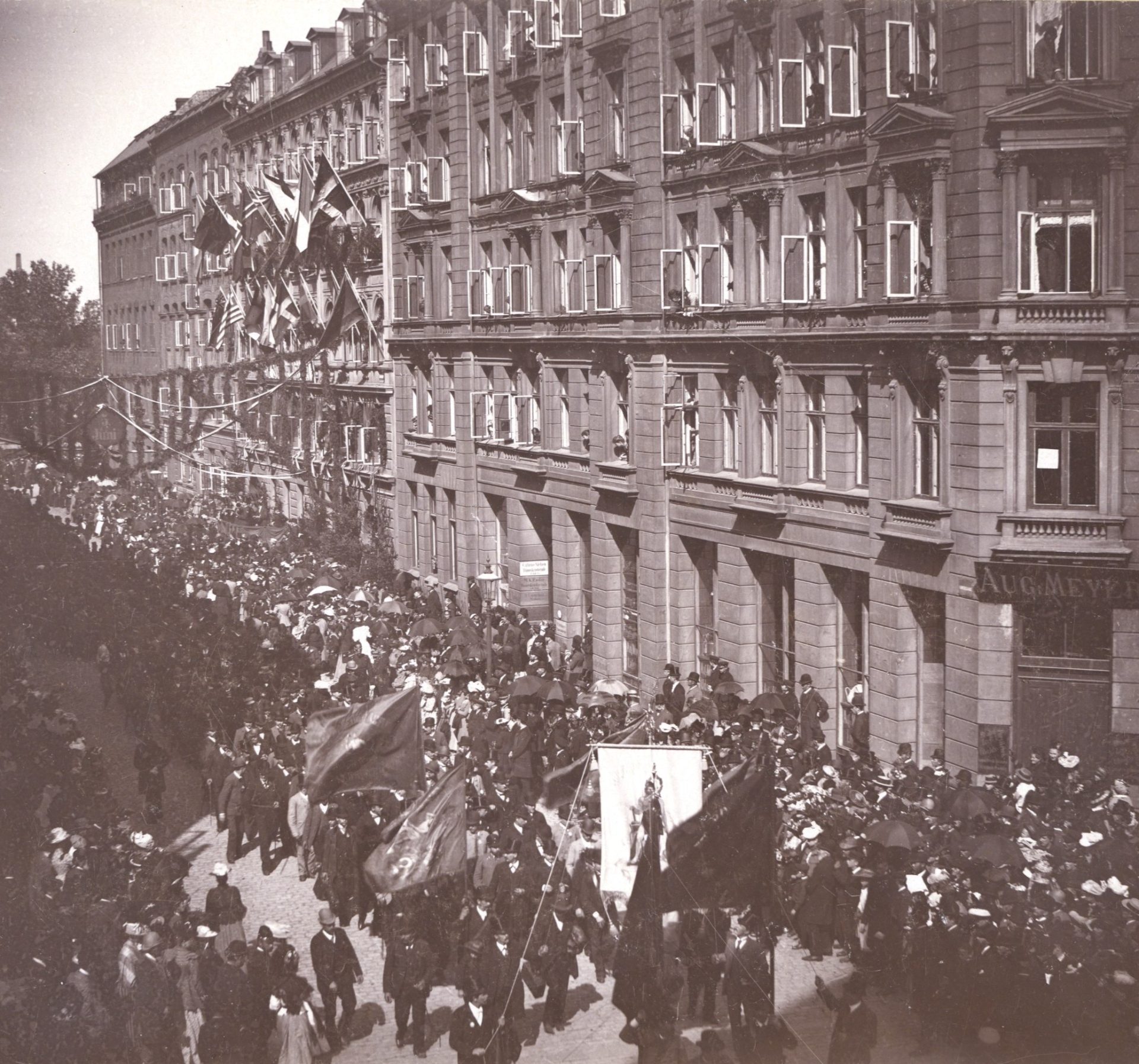
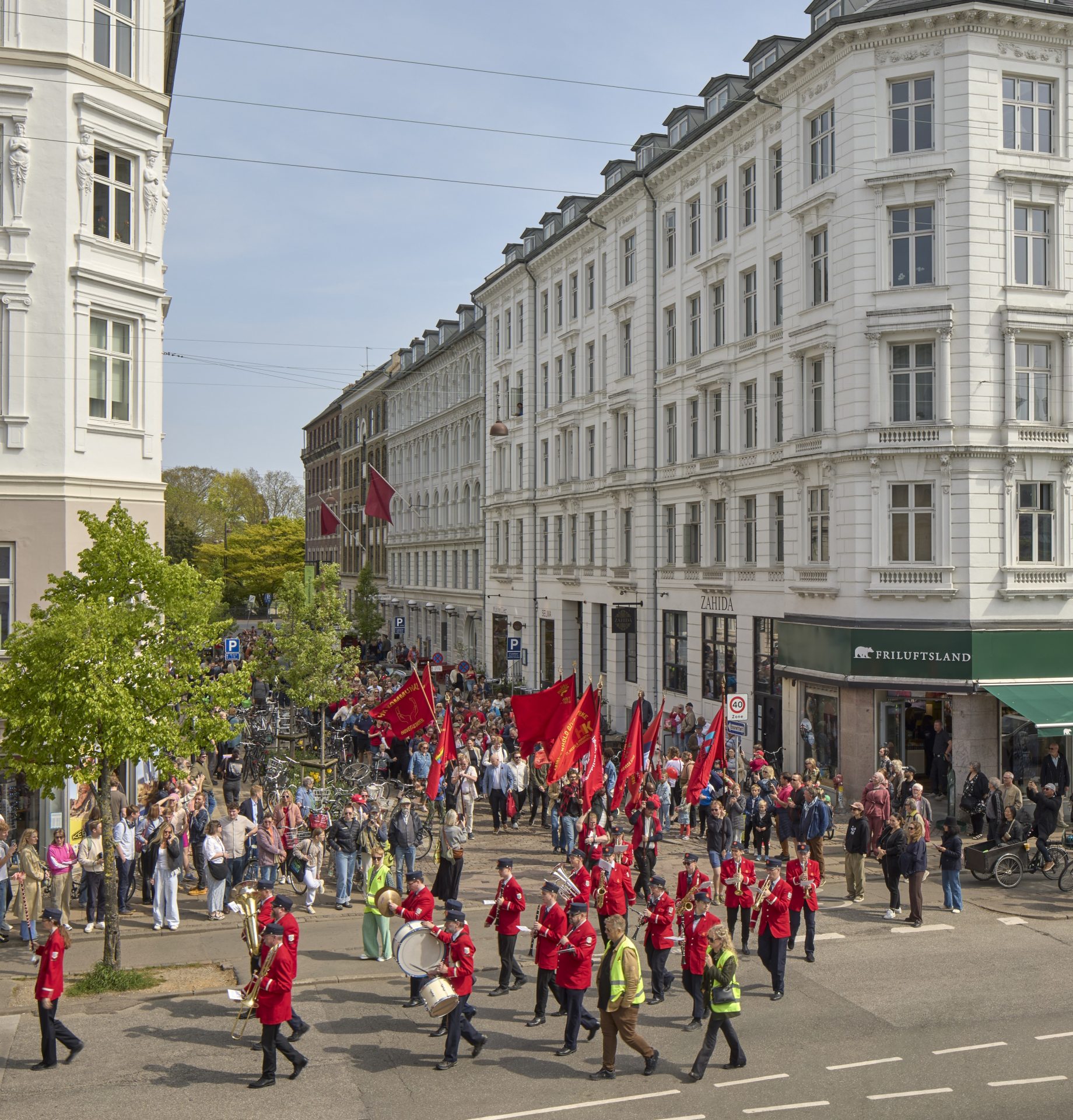
World Heritage in the Danish Realm
If the Workers’ Assembly Halls are inscribed on the UNESCO World Heritage List, it will be in the company of the 12 sites on the World Heritage List for the Danish Realm, and counting:
- Viking-Age Ring Fortresses
- Roskilde Cathedral
- Jelling Mounds, Runic Stones and Church
- Kronborg Castle
- Stevns Klint
- Wadden Sea
- Moravian Church Settlements
- The par force hunting landscape in North Zealand
- Møns Klint
- Ilulissat Icefjord
- Kujataa Greenland: Norse and Inuit Farming at the Edge of the Ice Cap
- Aasivissuit – Nipisat. Inuit Hunting Ground between Ice and Sea
The road to World Heritage
The work of preparing the comprehensive nomination report has been carried out in close collaboration between the four buildings included in the nomination and is coordinated from The Workers Museum in Copenhagen. The project is also supported by governments, heritage agencies and local partners in the three countries involved.
It is the national governments and their heritage agencies that are responsible for the formal submission of the UNESCO nomination. Therefore, a World Heritage process cannot be initiated without governmental support. As part of the process, each country must place its building on UNESCOs Tentative List at least one year before the nomination is submitted. The Tentative List serves as the official notification of a country’s plans for an upcoming nomination and includes a brief introduction to the proposed site and its special value. The Tentative Lists can be viewed here for Australia, Belgium and Denmark.
The idea to put the Workers’ Assembly Halls on the World Heritage List originated at The Workers Museum in 2008. This was followed by a major research and localisation project, mapping workers’ assembly halls around the world. This work culminated in an article in 2013. But the project was put on hold until the Danish Agency for Culture and Palaces added Arbejdernes Forenings- og Forsamlingsbygning to the Danish tentative list. This laid the foundation for the nomination project to really take off in 2020.
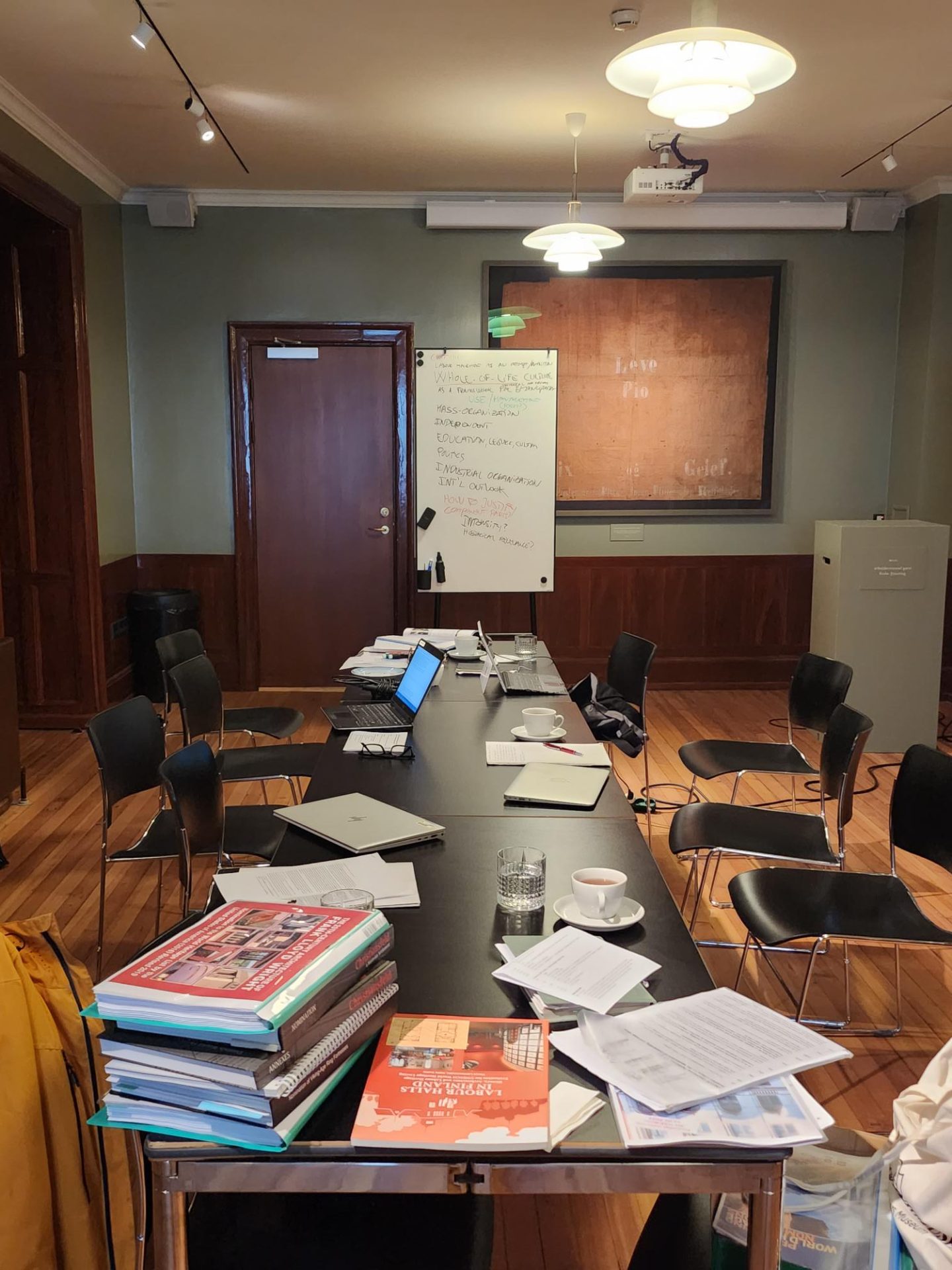
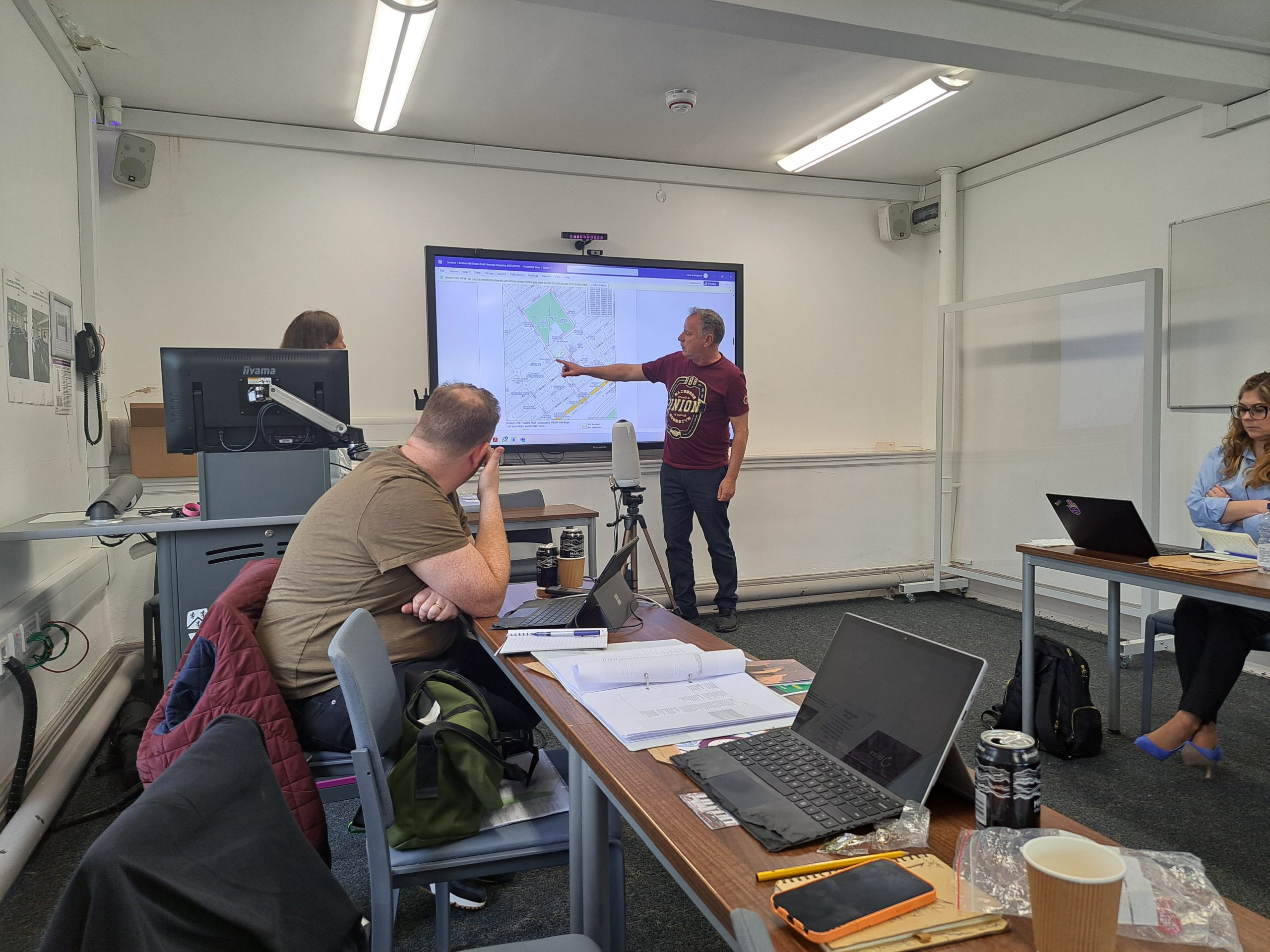
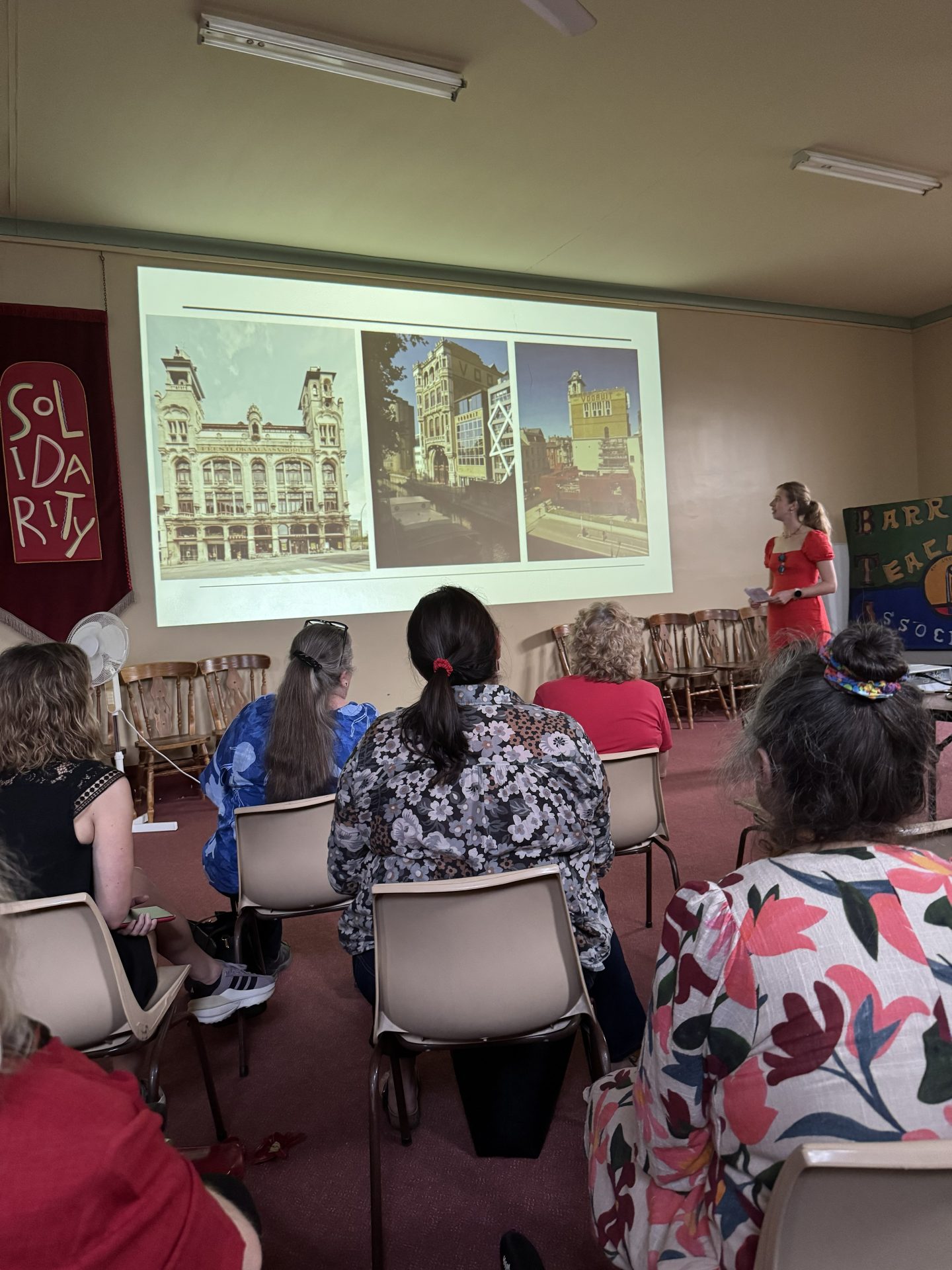
The preparation of the nomination report has since been an international collaboration between the three countries, with significant support from labour historians and other experts from several countries. This has strengthened relationships across borders and resulted in both individual visits between the workers’ assembly halls and international editorial workshops in each of the three countries. The meetings have been crucial in creating a common nomination document, building motivation and sustaining the collaboration over several years.
International editorial workshops
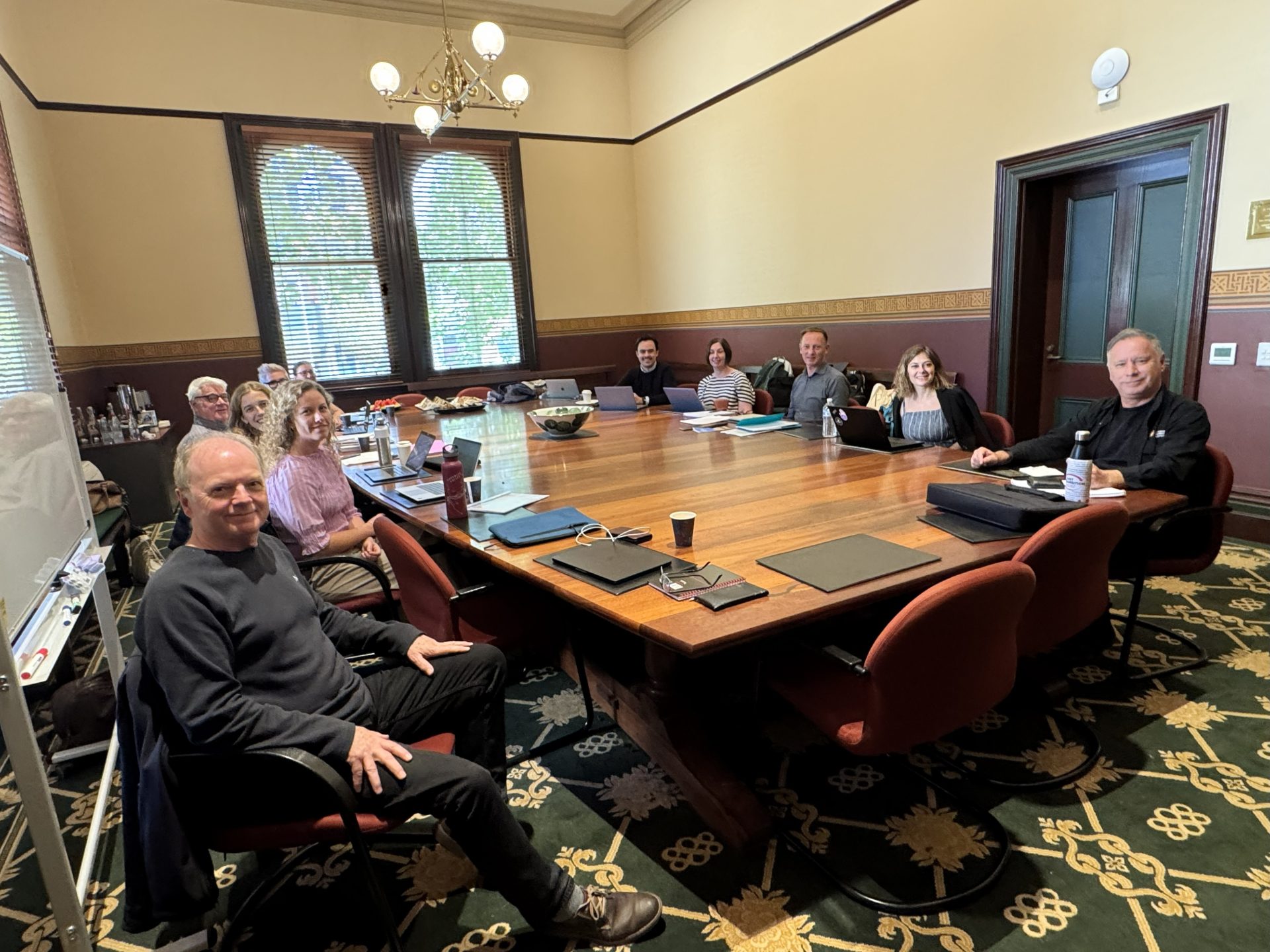

The major milestones in the UNESCO nomination project:
| 2008 | Idea and research started. |
| 2013 | First publication and conference. |
| 2018 | The Danish Agency for Culture and Palaces gives official support to the nomination project by adding Arbejdernes Forenings- og Forsamlingsbygning to the Danish tentative list. |
| 2020 | Nomination work begins. |
| 2021 | Fundraising campaign to find buildings is sent out into the world (bottom-up). |
| March 2023 | First editorial workshop in Copenhagen between international partners. |
| December 2023 | Buildings in Denmark and Australia are added to UNESCOs tentative list |
| July 2024 | Second editorial workshop in Durham, England, between international partners. |
| January 2025 | The Feestlokaal Vooruit is added to the tentative list. |
| March 2025 | Third editorial workshop in Broken Hill and Melbourne, Australia, between international partners. |
| September 2025 | The nomination is sent for technical check at the World Heritage Centre in Paris. |
| October 2025 | Final editorial workshop in Ghent, Belgium, between international partners. |
| November 2025 | Nomination report is finalised. |
| January 2026 | Nomination sent to the World Heritage Centre in Paris for evaluation. |
| July 2027 | Decision made by the UNESCO World Heritage Committee. |
Upon successful inscription on the World Heritage List, international cooperation will continue, both between the four workers’ assembly halls and the national cultural agencies. The four buildings will form one World Heritage Site – the Workers’ Assembly Halls.
Contact us
For questions regarding the UNESCO nomination project or information about other workers’ assembly halls, contact mbr@arbejdermuseet.dk