 Search
In 2014, the ABA made available key parts of the background material for Morten Thing’s book, Guldet fra Moskva. The Financing of the Nordic Communist Parties 1917-1990, from 2001.
By Jesper Jørgensen
The material includes copies of 90 cases from Fund 89 in the Russian State Archive of Contemporary History (RGANI), which contains the evidence from the case against the Communist Party of the Soviet Union at the Constitutional Court of the Russian Federation in 1992.
The copies come from a complete copy of Fond 89 at the Norwegian Nobel Institute in Oslo. Fund 89 is also located at the Hoover Institution Library and Archives in California, and via their website you can get an overview of the entire fund: Hoover Archives’ registry of Fund 89
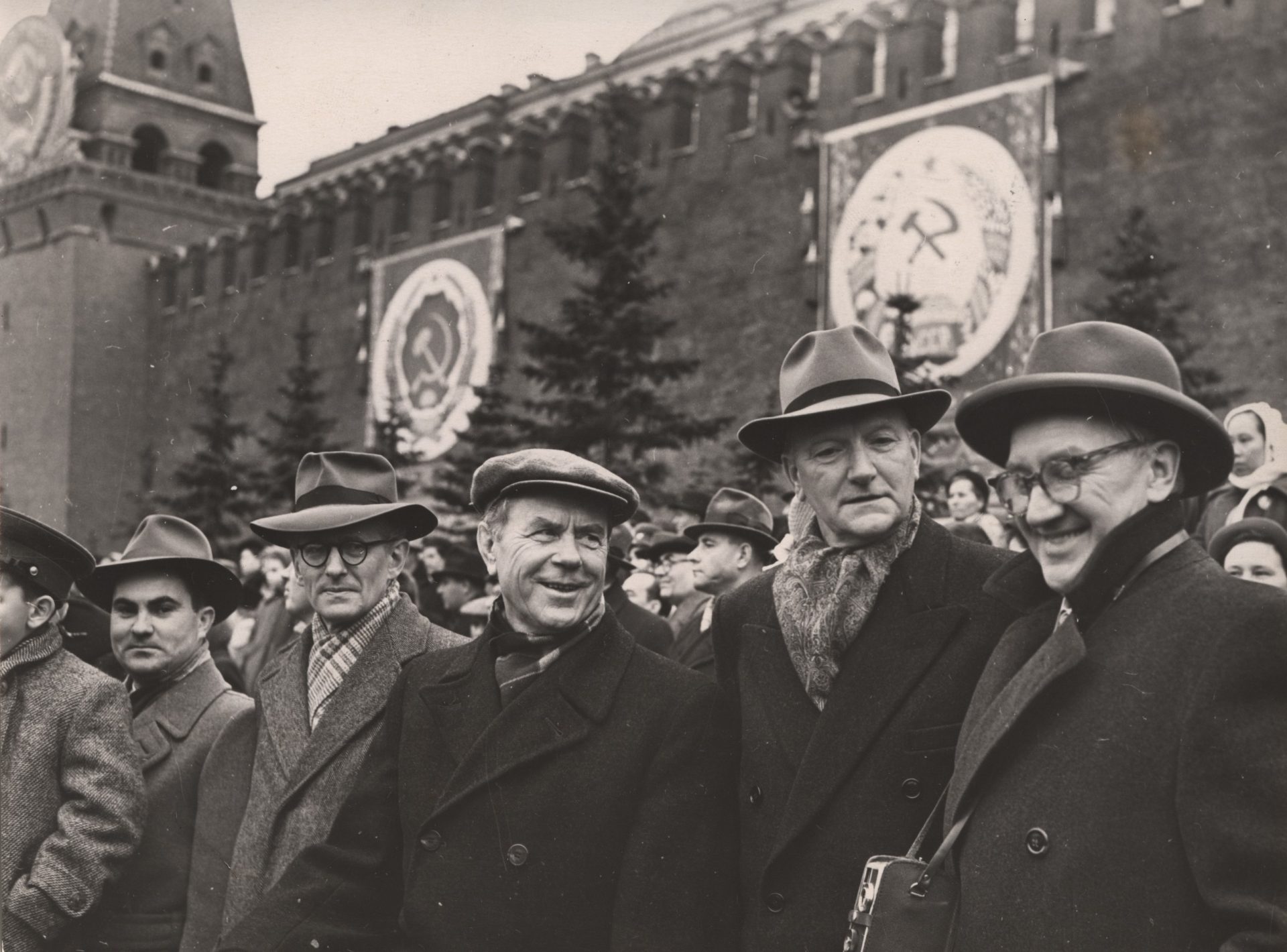
The selected files from Fund 89, now part of the ABA collection, consist mainly of documents with information about the SUKP’s financing of foreign communist parties via the International Trade Union Fund for the support of left-wing workers’ organizations after 1945, but also other aspects of cooperation with the parties are touched upon. In addition, transcripts/copies from handwritten notebooks are available with summaries of payments from the International Department of the Central Committee of the SUKP to the Nordic communist parties 1978-1990. The summaries indicate the size of the amounts paid, the time of the transactions and references to related material, which today is probably located in the Presidential Archive of the Russian Federation in Moscow. These transcripts/copies were provided to the Moscow Gold research team by journalist Aleksandr Jevlakhov and CK employee Anatoly Smirnov, who originally copied the material in 1991.
See ABA’s registration of the material. The material, like Foundation 89, is in Russian and available under the ABA’s general terms of access.
Others also read

THE STAUNING OF ALL OF DENMARK
Thorvald Stauning was a beacon in Danish politics and is the longest-serving prime minister of the 20th century

WITH THE LAW OR WITHOUT
In 1871, the living conditions for the few industrial workers in Denmark at the time were appalling. But when the labor..

THE BATTLE FOR TIME
Working 48 hours a week. It sounds like a lot for a Danish worker in 2019. But 100 years earlier, it was just..


