The combination of broad interest in the topic and the ever-increasing amount of available sources has meant that the study of communism has become a relatively large part of contemporary historical research today. In Denmark, this has materialized in a number of major and minor studies in the research fields of labour history and Cold War history, as well as in the main parts of two major state commission studies, the Danish Institute for International Studies’ Denmark during the Cold War, vols. 1-4 (2005) and the PET Commission Report, vols. 1-16 (2009).
DKP in the Library and Archives of the Labor Movement
DKP’s archive (no. 921) was in the period from June 2006 to April 2009 subject to a re-registration and new registration. The starting point was the original arrangement of the archive from 1997 and the associated paper register from 1998, which was based on a rough sorting from the early 1990s of the original delivery of the archive from DKP’s party house in Dr. Tværgade in 1989-1990.
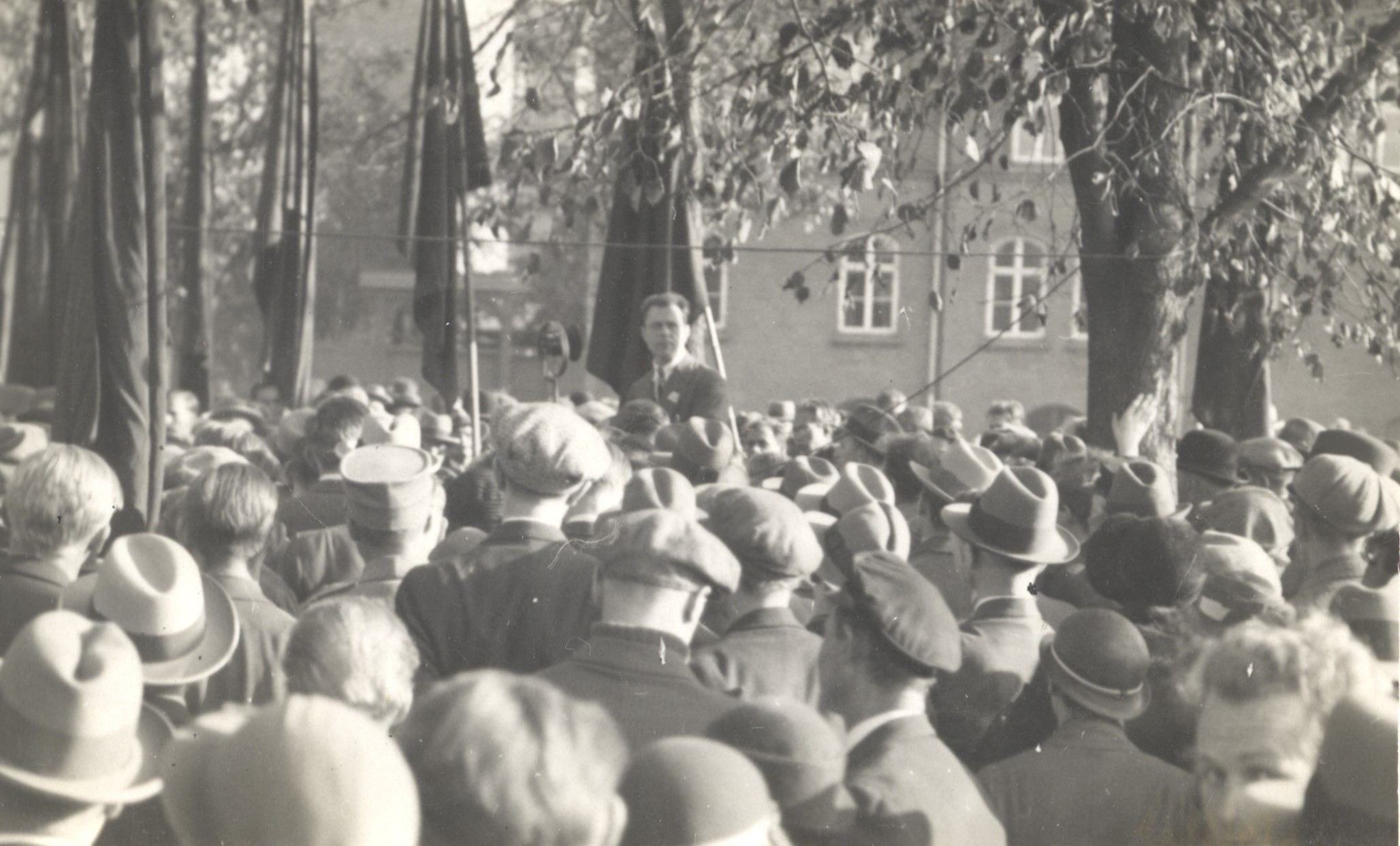
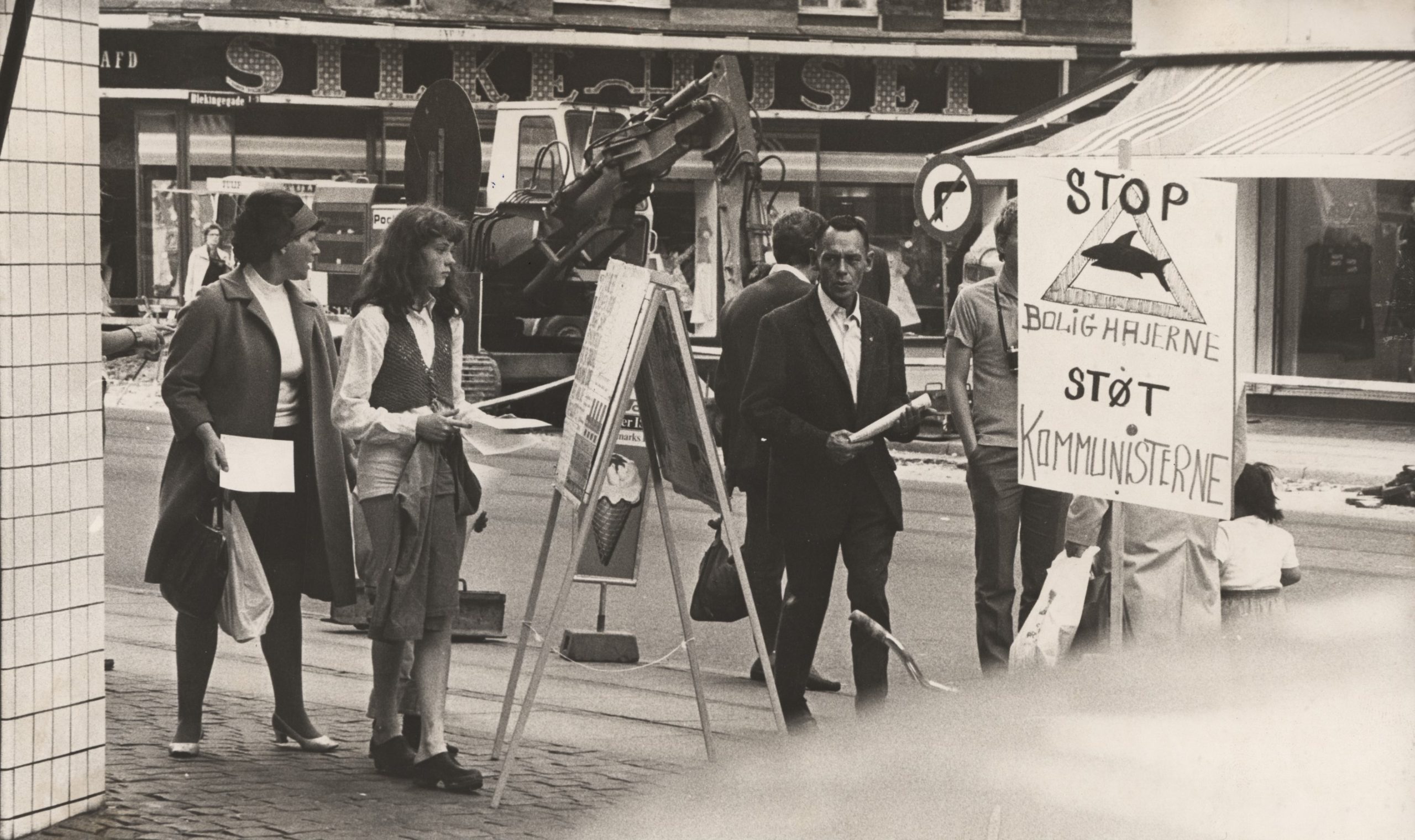
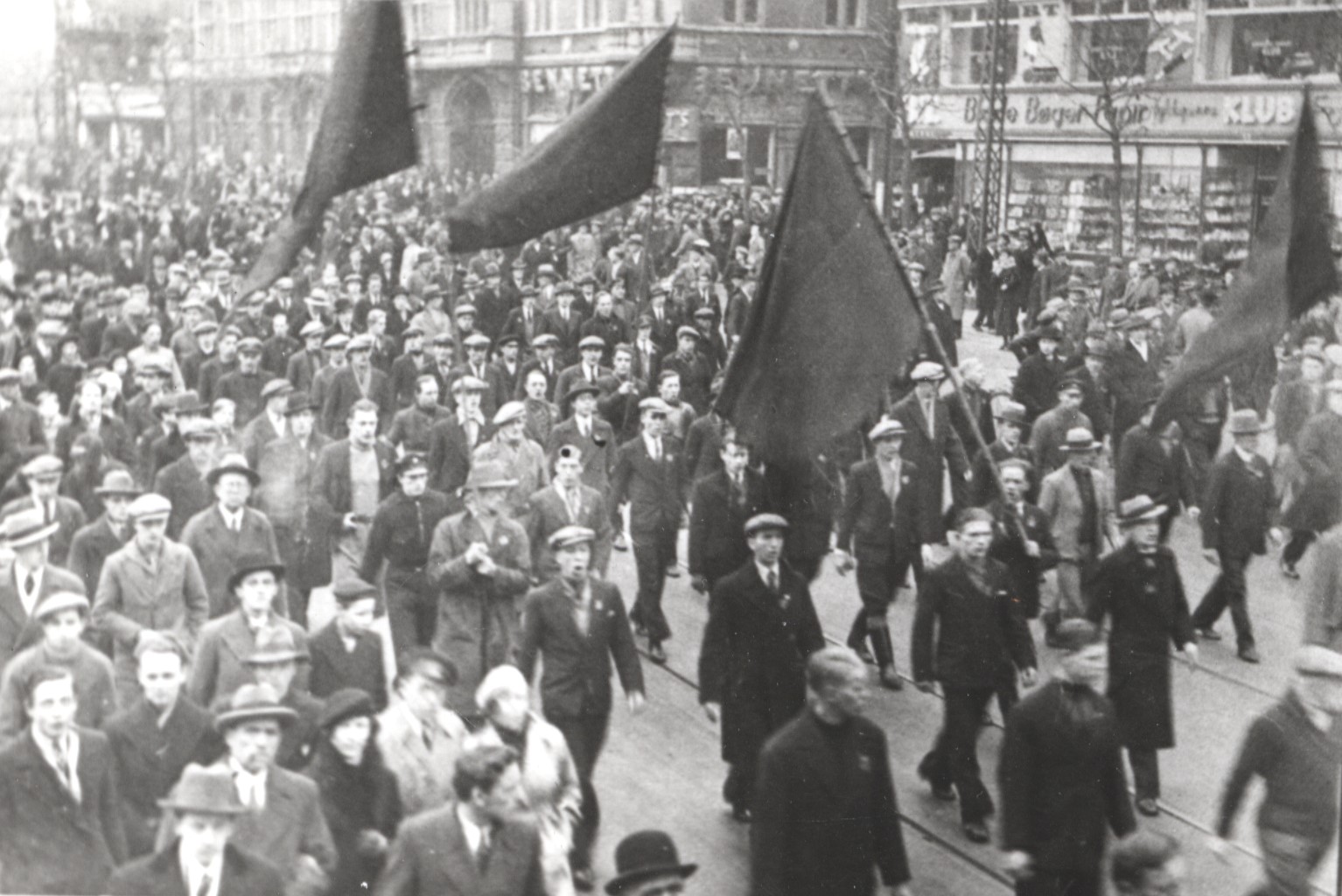
Today, the Library and Archives of the Labour Movement (ABA) contains extensive archives of DKP and its youth organization, the Danish Communist Youth (DKU), as well as a large number of people and organizations associated with DKP, the most important of which are Ib Nørlund, the National Association for Cooperation between Denmark and the Soviet Union, the Cooperation Committee for Peace and Security and around 70 local DKP and DKU branches. Special efforts have also been made to organize and register Land og Folke’s very extensive image archive, Herluf Bidstrup’s drawings, copies of records from the Comintern Archive in Moscow and local newspapers from around 200 party and youth branches.
Read Chris Holmsted’s PhD thesis on the communist Carl Madsen here.
You can also read more about the Communist Labor Party in ABA here.
On this page you will find information about our DKP-related collections, including articles in the archives and selected
source material:
Search the DKP archives
See e.g. Archives from:
DKP local branches
DKU local branches
See DKP local newspapers and DKU local newspapers
Explore DKP’s film archive
Listen to audio recordings from DKP here.
You can also read more about how DKP’s archive was created in ABA below.
Read about the delivery of archive material.
in 1997, DKP’s archive was opened for research. You can read more about that here.
You can also read about the new communist archives here.
Party programs from 1945-1976
1945: The will of the people the law of the land?
Program from the Danish Communist Party, December 1944.
1952: The way of the Danish people
Program statement from the 17th Party Congress of the Communist Party of Denmark, 22-25 May 1952.
1960: The Communists’ program for the renewal of democracy
Program from the Danish Communist Party’s National Party Conference, September 16-18, 1960.
1962: Rallying for a free Denmark
Political manifesto from the 21st Congress of the Danish Communist Party, May 31 – June 3, 1962.
1965: New roads for Denmark
Program statement from the 22nd Congress of the Danish Communist Party, November 7, 1965.
1969: Paths for the left forces to democracy and socialism
Policy statement from the 23rd Congress of the Communist Party of Denmark, 1969.
1973: The Communists program for a better life
Program statement from the 24th Congress of the Communist Party of Denmark, 1973.
1973: Fight against big capital – for the working class, for socialism
Congress resolution from the 24th Congress of the Communist Party of Denmark, 1973.
1974: For working class unity in the fight against big business
Manifesto from the National Meeting of the Danish Communist Party, June 22-23, 1974,
1976: The Communists’ program
Program adopted at the 25th Congress of the Communist Party of Denmark, September 23-26, 1976.
 Search