Search
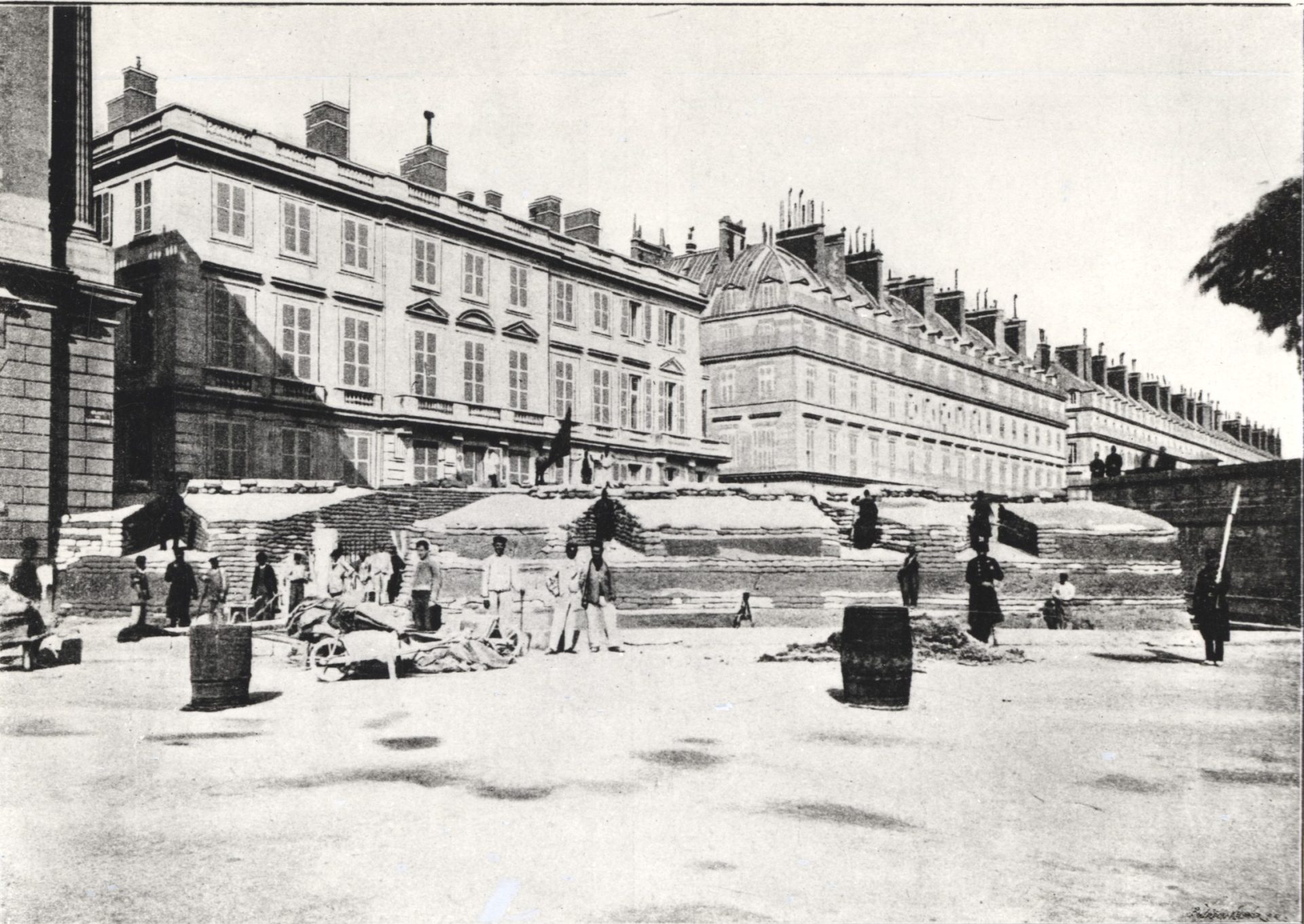
In the summer of 1871, an anonymous worker published two small pamphlets entitled “Socialistiske Blade”. In them you could read a defense in favor of the Paris Commune and a call for Danish workers to organize themselves into trade unions.
With trade unions as a starting point, an association could be formed that could also take on political tasks. According to the author, the task was simple, but required courage and initiative. The workers had common interests. By joining forces union by union, they could negotiate with the employer to improve their wages, working hours and working conditions. If the employer would not negotiate, they could use the strike to stop work and only resume it when the employer had given in.
If the workers stood together, they made up a large part of the population and if the city workers could join forces with farm workers and smallholders, they could jointly elect candidates to the Danish Parliament and thus influence political power. Together they could change an unjust society where a privileged minority kept the majority of the population in poverty into a more democratic society where the benefits were more equally distributed.
Socialistiske Blade was seen by the Danish bourgeoisie as an attempt to create a “Parisian state” in Copenhagen. The pamphlets were condemned, but among the workers they caused a stir. On July 22, the man behind the pamphlets, former lieutenant Louis Pio, published the weekly magazine “Socialisten”. With this magazine as inspiration, workers began to form trade unions and on October 15, 1871, the International Workers’ Association of Denmark was founded.
This association became widespread in Copenhagen and the provinces, but major problems soon arose. The police were put in charge of stopping this first labor movement, which was perceived as a collection of criminals who wanted to overthrow society. The police had spies infiltrate the movement and tried in every way to get rid of it.
Socialist Leaves No. 1/1871 Socialism in its relation to history