Search
Thorvald Stauning worked for most of his 69-year-old life. First as a city messenger, later as a blacksmith, cigar sorter and for many years, right up until his death, as a politician.
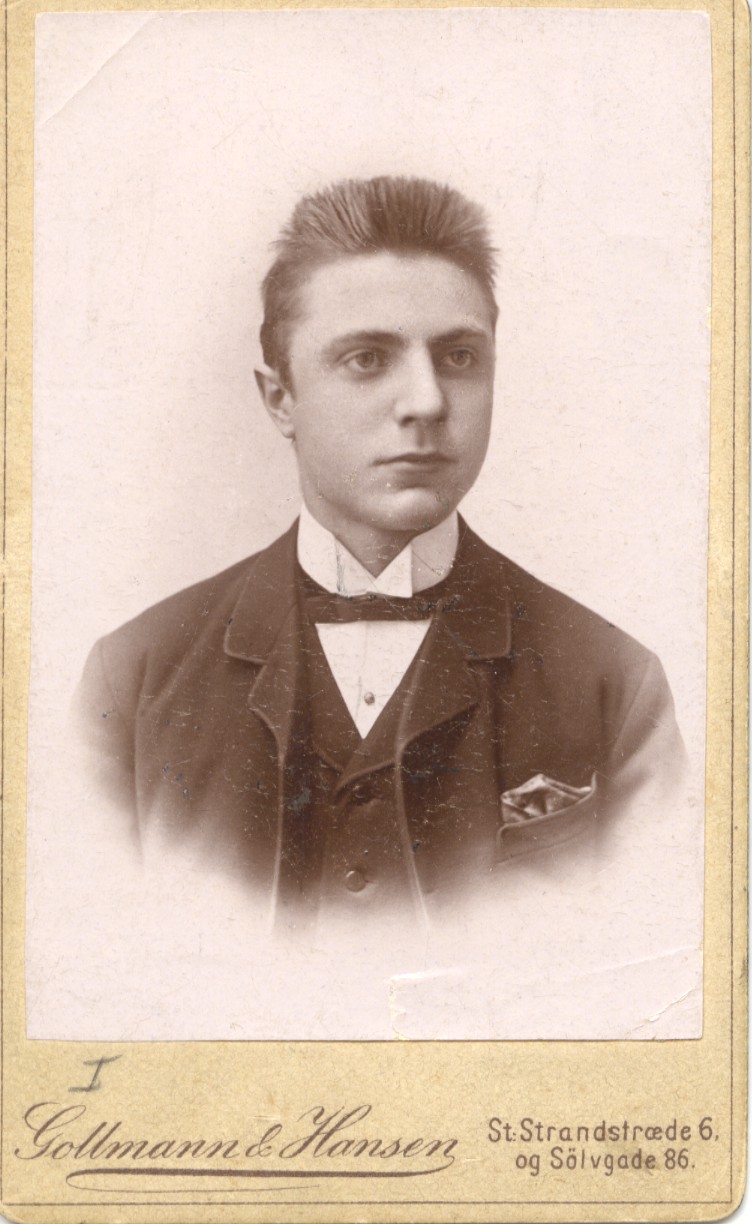
Thorvald August Marinus Stauning was born on Sunday, October 26, 1873 and grew up in central Copenhagen. His parents were poor, and his childhood home was characterized by unemployment, illness and unhealthy housing conditions. His parents were politically interested, and his mother was particularly interested in the development of the early labor movement.

Stauning was an only child, and his mother paid a lot of attention to his schooling and upbringing. Despite the family’s poor financial situation, his parents sent Stauning to the municipal fee-paying school, where he attended school from 13:00 to 18:00. This gave him the opportunity to work in the mornings and afternoons and thus contribute to the family income.
Childhood with school and work
Stauning started at Vestre Betalingsskole in Suhmsgade in 1881. The school was a half-day school, which meant that the school day was divided in two. The morning class went to school from 8am to 12pm, while the afternoon class went from 1pm to 6pm. This gave the children the opportunity to work either before or after the school day. At the age of 10, Stauning got a permanent position as a city boy, and in the following years his salary was the family’s main income.
“I started out by doing errands for a small master tailor and a cigar merchant who had their shops where we lived. But when that became too insecure, I got a permanent position with an equipment dealer at the age of ten. Service from 7-12 in the morning and necessary errands one hour after school. Here I brushed boots, helped with the manufacture of bleaching water, vinegar and Carlshamn’s punch and went into town with goods and after goods.”
(from Stauning’s Memoirs)
For a period of time, Thorvald stood at a bakery on Kultovet at 5 am to deliver bread to a retailer in Rørholmsgade. At 7 am, he would meet in Vingårdsstræde ready for the day’s work. After 14 days, however, his parents decided it was too much work for a ten-year-old boy.

Stauning received seven years of schooling and did well in school despite the hard work and his fragile health. He was among the best students in his class and was described as a lively and attentive student.
Blacksmith and cigar sorter
The last year and a half before his confirmation, Stauning got a job with a money changer where he ran errands. However, he soon found himself helping with various office tasks and this led to an interest in going into banking after his confirmation. But banking training required well-dressed young men who could volunteer for a number of years and with the family’s poor finances, this was impossible. Stauning was therefore apprenticed as a blacksmith. It was hard work at the furnace and anvil, and Stauning soon fell ill and was advised by his doctor to find another job. He got an apprenticeship as a cigar sorter, and at times he also had to take over his father’s job from 4 am to 7 am. Still, he had the energy to take a writing course, bookkeeping courses and German lessons at the Student Society.
Active in association work
In 1892, Stauning trained as a cigar sorter, moved to Fredericia and became active in trade union work and the Social Democratic Association. In 1906 he was elected to the Danish Parliament and in 1916-20 he became the first Social Democratic minister when he was appointed Minister of Control in the radical Zahle government. In addition to his political work, he was chairman of Arbejdernes Livsforsikringsselskab (ALKA) 1910-24

Stauning as prime minister
In 1924-26, Stauning became Minister of State, Industry, Trade and Shipping in the first Social Democratic government, and in 1929 he formed another government and remained Prime Minister in a Social Democratic-Radical government until 1940, when, after the German occupation of Denmark, he formed a cooperative government together with the Radicals, the Conservative People’s Party and the Liberals.
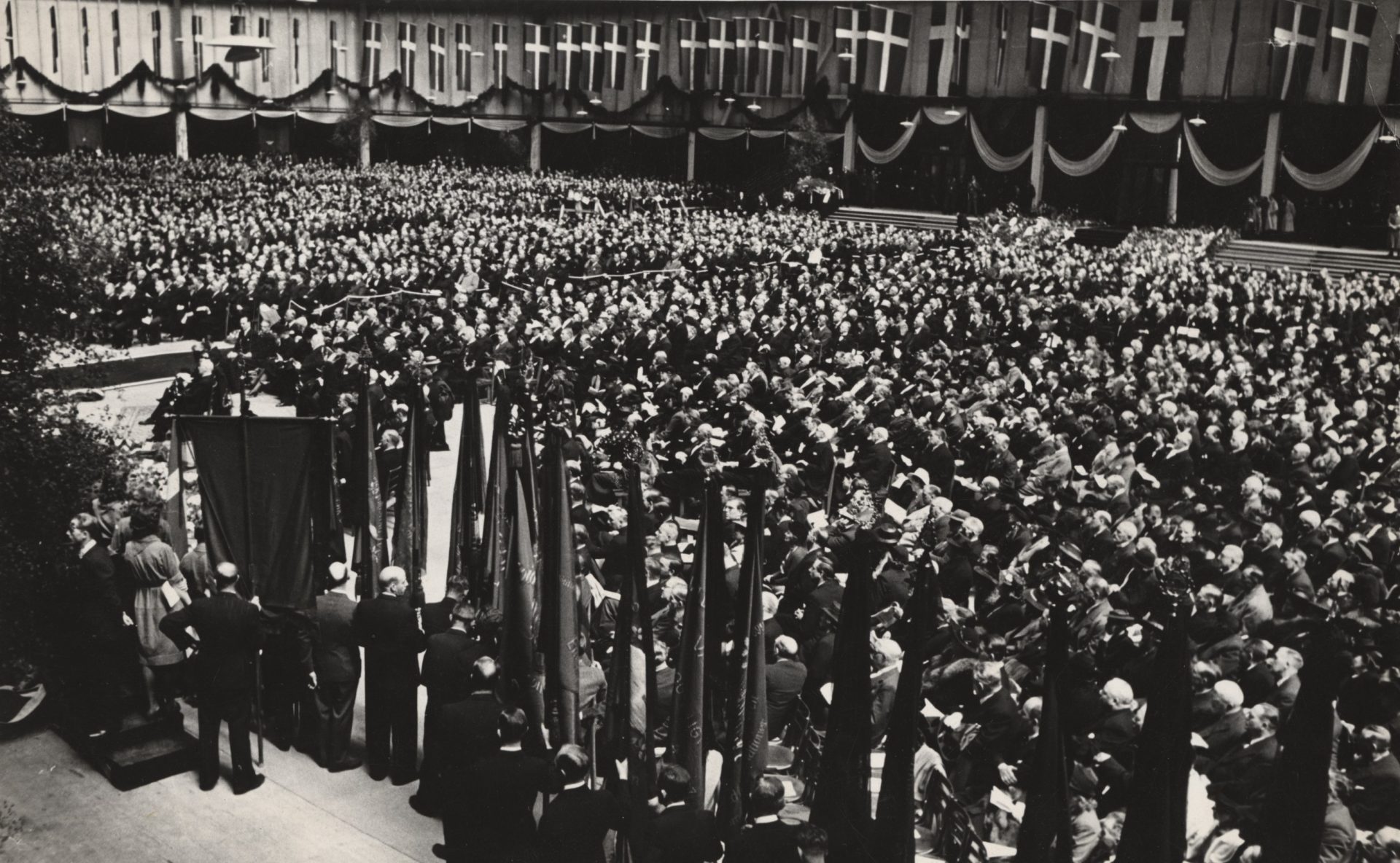
He remained Prime Minister until his death on May 3, 1942. A national mourning was declared at his death, and at his funeral he was taken in a funeral procession through the streets of Copenhagen. Stauning was known as one of the greatest political figures in Denmark, both in his time and afterwards. For many, he became the personification of the Social Democratic Party’s project to create a more equal and just society.
At the Children’s Labor Museum here in Rømersgade, children can watch the film about Stauning’s life from little Thorvald to big Stauning, experience what it is like to be a working-class child in the 1930s and see Stauning’s real office. Admission is free for children.