Activist teaching material

  • TARGET GROUP: Upper secondary school
  • SUBJECTS: History, social studies, Danish, visual arts
  • TEACHING MATERIAL:
    * Complete digital course with variation in the tasks
    * Individual exercises and tasks that can be used independently
    * Teacher’s guide for the overall course and individual tasks
    * Film introducing each task to the students

Introduction to the material

Learn more about activists past and present and what you think is worth fighting for. Use your hope for change as a starting point to put a message on the poster!

The teaching materials on this page allow you to work with activism in many different ways in class. Each task is introduced with a short movie that presents the task, its purpose and possible solutions to the students. Below is the intro movie for the complete material.

The material is designed as a complete course that can be completed in class over several lessons. There is enough work for four to seven lessons of 45 minutes duration, depending on how much of the assignments are done as homework. It is also possible to pick and choose from the assignments depending on what fits into your teaching in terms of time and context. Below you will therefore find links to the complete material as well as the individual assignments. The teacher’s guide describes the purpose of the assignments in more detail.

Watch the introduction video below

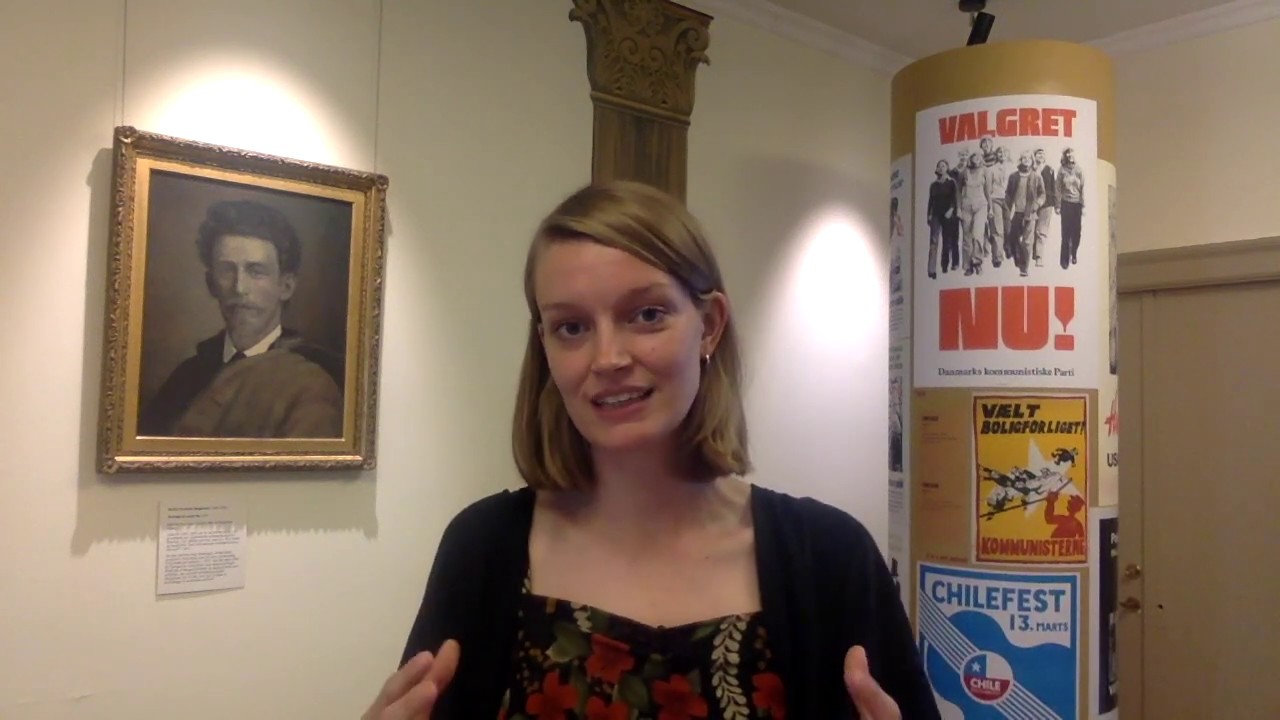
Kristine Kamp Albæk, Curator at the Workers’ Museum introduces the complete educational material.

AKTIVIST - Introduktion

Teaching materials and teacher's guide

Assembled task booklet

All tasks in the course collected in one document in the order in which the course is conceived

Teacher's guide

Contains an introduction to the material, descriptions of the individual tasks and learning objectives for the course

The individual tasks from the booklet

When I hear the word activist x 1

Introductory reflection questions that open the topic for learners

What is political activism?

Students explore definitions of the term and historical and contemporary examples of activism

Activism in your digital life

Students explore whether they have encountered activism in their online lives and where

The activist line

Students reflect on and relate to how activist they are on a spectrum

When I hear the word activist x 2

The initial reflection question is opened again to see if anything has changed

Protest posters

Students analyze three different historical protest posters, their messages, goals and symbolism

What change will you fight for?

Students reflect on the cause they want to fight for, inspired by activists and their motivations

Create your own poster

Students create their own protest posters based on their cases and knowledge of posters as a tool

When I hear the word activist x 3

One last time, students address the initial reflection question and finally whether there are changes over three times

It’s all about change

The Labor Museum and the Labor Movement Library and Archive preserve and disseminate stories of people who have had the will to take part in democracy and change society for their own and future generations. Ever since 1879 with the founding of the Workers’ Association and Assembly Building, the building that today houses the museum, the building has been a meeting place for people without political rights but with ideas and opinions about how society should be changed. We want to continue that.

Small changes are also changes

However, you don’t have to have dedicated your whole life to activism to help create meaningful change. Activists come in many different forms, and even small actions are valuable. Today, some of these actions take place in a digital world, perhaps making activist engagement more accessible than it has been in the past.