TARGET GROUP: Upper secondary school and upper secondary education
SUBJECTS: History, Danish, health and sex education
TEACHING MATERIAL
A didactized source package with curated letterbox submissions sent to Caja Rude and Tove Ditlevsen
Images of inimity, gender and body struggle
A student page where the letterbox posts and images can be accessed
LENGTH: Can be completed in 90 minutes, but we recommend longer to allow time for discussion and reflection
Letterbox as sources
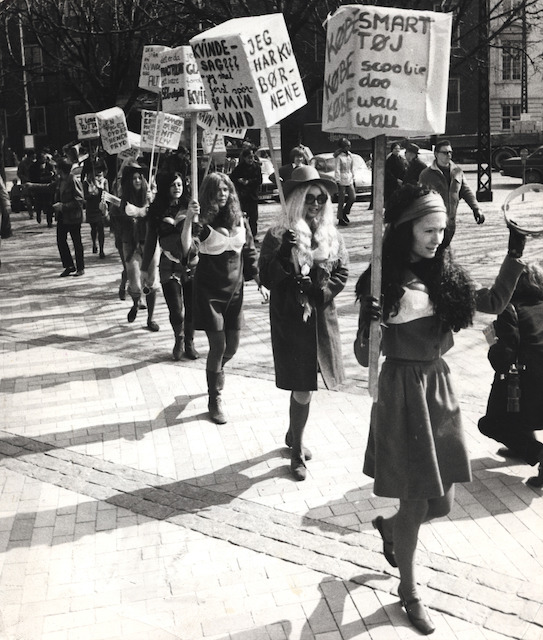
Young people have always felt wrong, insecure, limited by their gender and unable to live up to society’s and their own expectations. Letterboxes are unique sources for this. In the letterbox entries, we get into the most intimate destinies and dilemmas of young people in the 1930s and 1950s. We encourage you to read the letterbox dilemmas with your class and use the dilemmas and answers as a mirror to today’s youth life and windows to another time’s view and experience of norms, gender, body and sexuality.
Caja Rude and Tove Ditlevsen
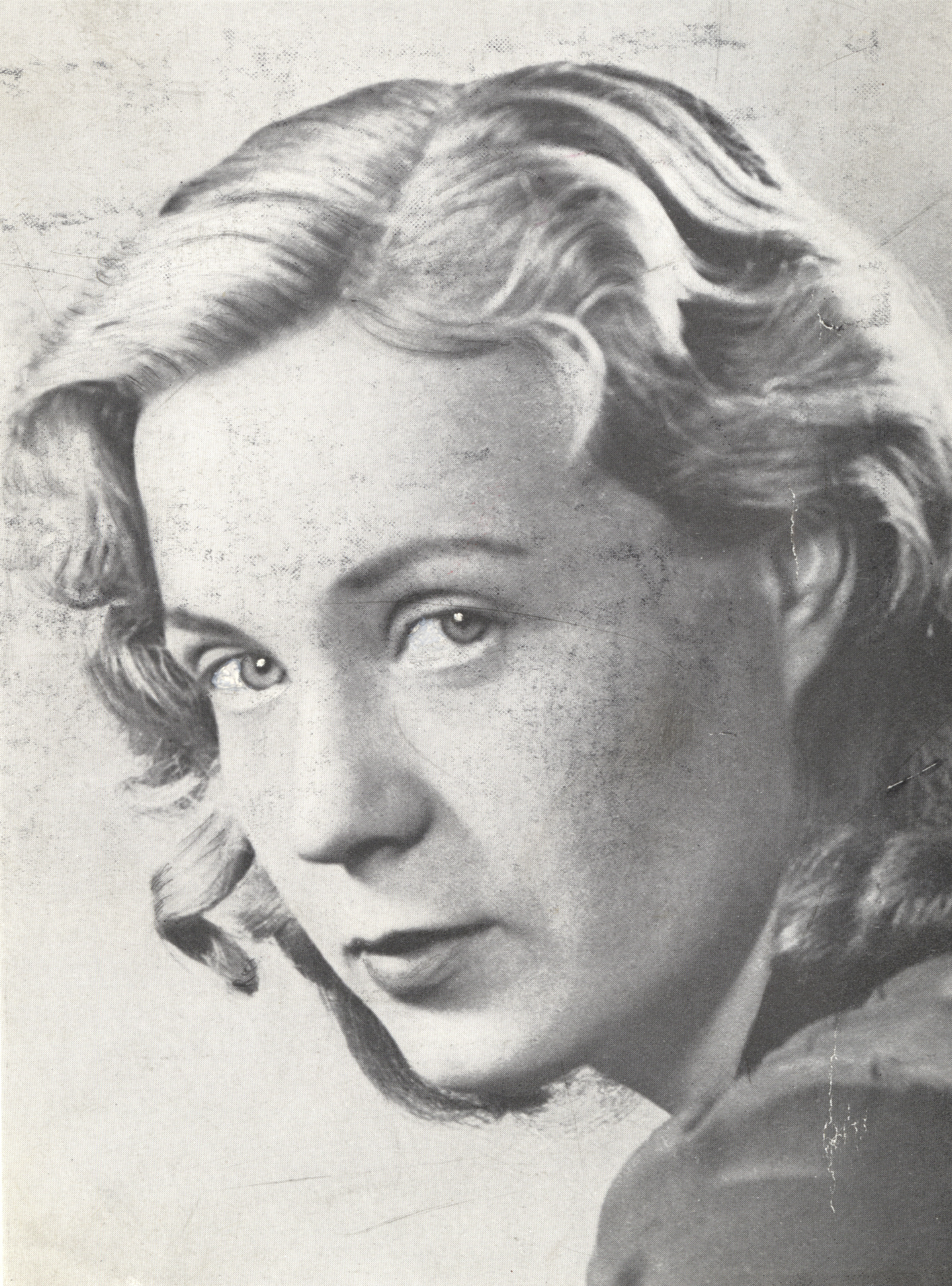
Caja Rude (1884-1949) was the editor of the letterbox “Ask Ville” in Socialdemokraten from 1939-1949, and Tove Ditlevsen (1917-1976) was the editor of the letterbox “Små hverdagsproblemer” in Familie-Journalen from 1956-1976.
Caja Rude, ukendt årstal
Tove Ditlevsen, 1947
The dilemmas curated for this source package all have themes that young people across time can mirror themselves in. However, it is important to note that the answers from Caja and Tove are tied to time and place, and that they were created based on different societal norms and expectations. Norms where abortion was illegal, sex belonged in marriage, homosexuality was considered a mental illness and transgenderism was not recognized.
Building training
Start by printing out the letterbox dilemmas. You can find them at the bottom of this page.
Ask the printer to print “on both sides” so that the post is on the front and the answer is on the back.
Print as many copies of the dilemmas as you make groups. note, if you don’t print the dilemmas, you can use the student page here, where students can access the dilemmas themselves.
Divide the students into groups with approximately four students in each group.
Give each group “a letterbox pack” and ask them to:
read the dilemma aloud in the group and discuss the following questions written on the board:
What do they think about the dilemma? Why do they think so?
Can they mirror the dilemma to the present? If so, how? Why/why not?
Is it important that we discuss the dilemmas they work with? Why/why not?
What do you think the answer will be?
Then ask them to turn the page and read out the answer and discuss the following questions:
What do they think about the answer?
Are they surprised? Why would they be surprised?
What would the answer be today?
Make a joint plenary summary of the groups’ discussions of the dilemmas. Here you can use this as an opportunity to ask questions:
What do the students think about the dilemmas? Why do they think so?
Which dilemma did the students find most important? What was the reason for this?
How could they mirror the dilemmas to their own lives? Why do they think they could mirror the dilemmas?
Did they disagree or agree with any of the answers and dilemmas?
Are there some things that are completely different today? How and why?
Are the dilemmas fair? Why are they fair? Why not?
note, you can also use the student page, where all the posts are inscribed and the questions are written for the students.
Have a great time.
Dilemmas + Student page
Letterbox posts
Click here to find the letterbox posts. Feel free to print them out for students.
The student page
Find the student page here. Here you'll find the same letterbox posts and questions as above, but there are also digitized images.
The difficult normative conversations
Do you want to learn more about why normative conversations about identity categories such as gender, body, sexuality, rights, class, ethnicity and religion can be difficult to facilitate? And do you want advice on how you can facilitate and open up dialogs in your own teaching? Then listen to the podcast “The difficult normative conversations” here.
The podcast features:
Tekla Canger, Associate Professor and PhD at University College Copenhagen and author of the book “Kønsbevidst pædagogik”
 Search