 Search
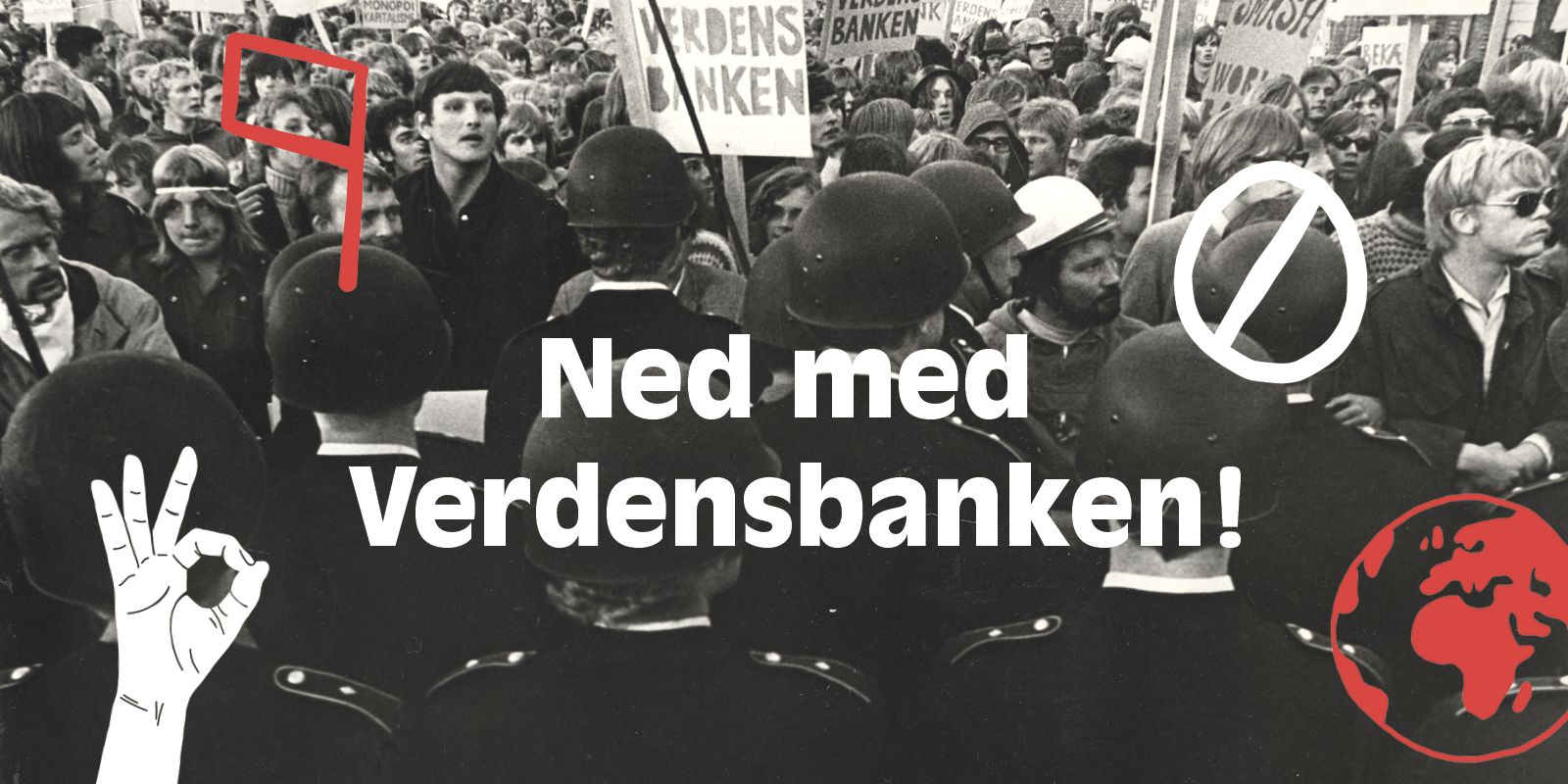
Start by watching the movie below
It introduces you to the topic of activism and working with memories as sources.
YOU NEED TO WORK WITH
ACTIVIST: Morten Thing (born 1945)
ORGANIZATIONS: Has been active in the Danish Vietnam Committees, Politisk Revy and others.
EVENTS: Demonstrations and activism in connection with the World Bank Congress in Copenhagen, September 20-25, 1970
INTERVIEW: The audio clips, where Morten Thing narrates, are from an interview made by Jesper Jørgensen, archivist at the Labor Museum. The interview was made on April 9, 2019.
Task 1
Read the questions below first and then go to the source, which you will find just below the questions.
This assignment includes Source 1, where Morten Thing talks about his parents and childhood experiences.
Start by listening to the source presentation and then go to the source itself.
Question:
- What do you notice in the source? Why this particular one?
- What does Morten say about his father?
- Morten refers to the BOPA people as the “heroes” of his life. Why do you think he saw them as heroes?
- What does it mean when Morten says that his father’s attitude was that politics was different in war than in peacetime?
- How has Morten’s background and his parents’ upbringing influenced him?
Sources for task 1

Source presentation: Source 1
Listen to the clip to get the context of Source 1.

Source 1: Recollection from Morten Thing
In the clip, Morten Thing talks about his parents and childhood. The memoir was recorded on April 9, 2019.
Task 2
Read the questions below first and then go to the sources found just below the questions.
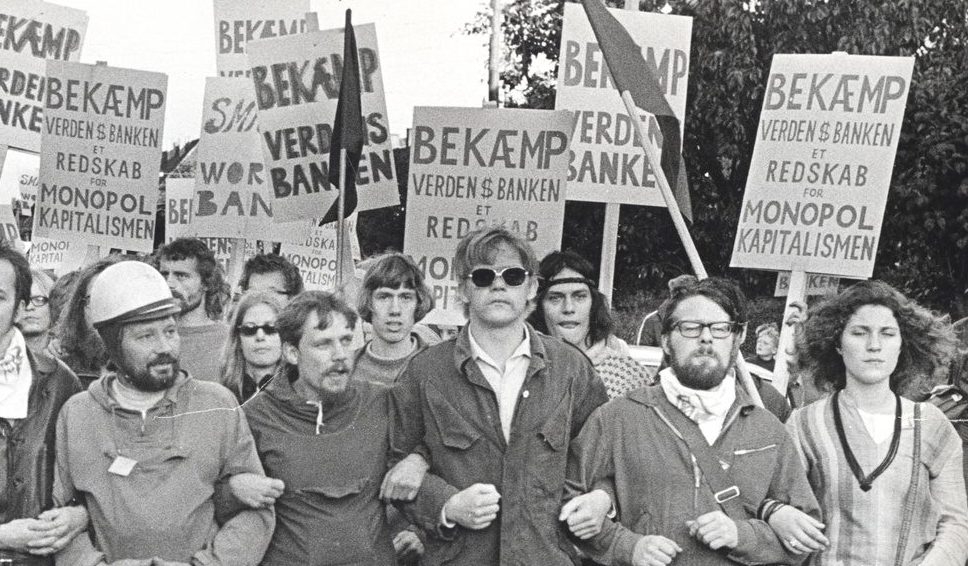
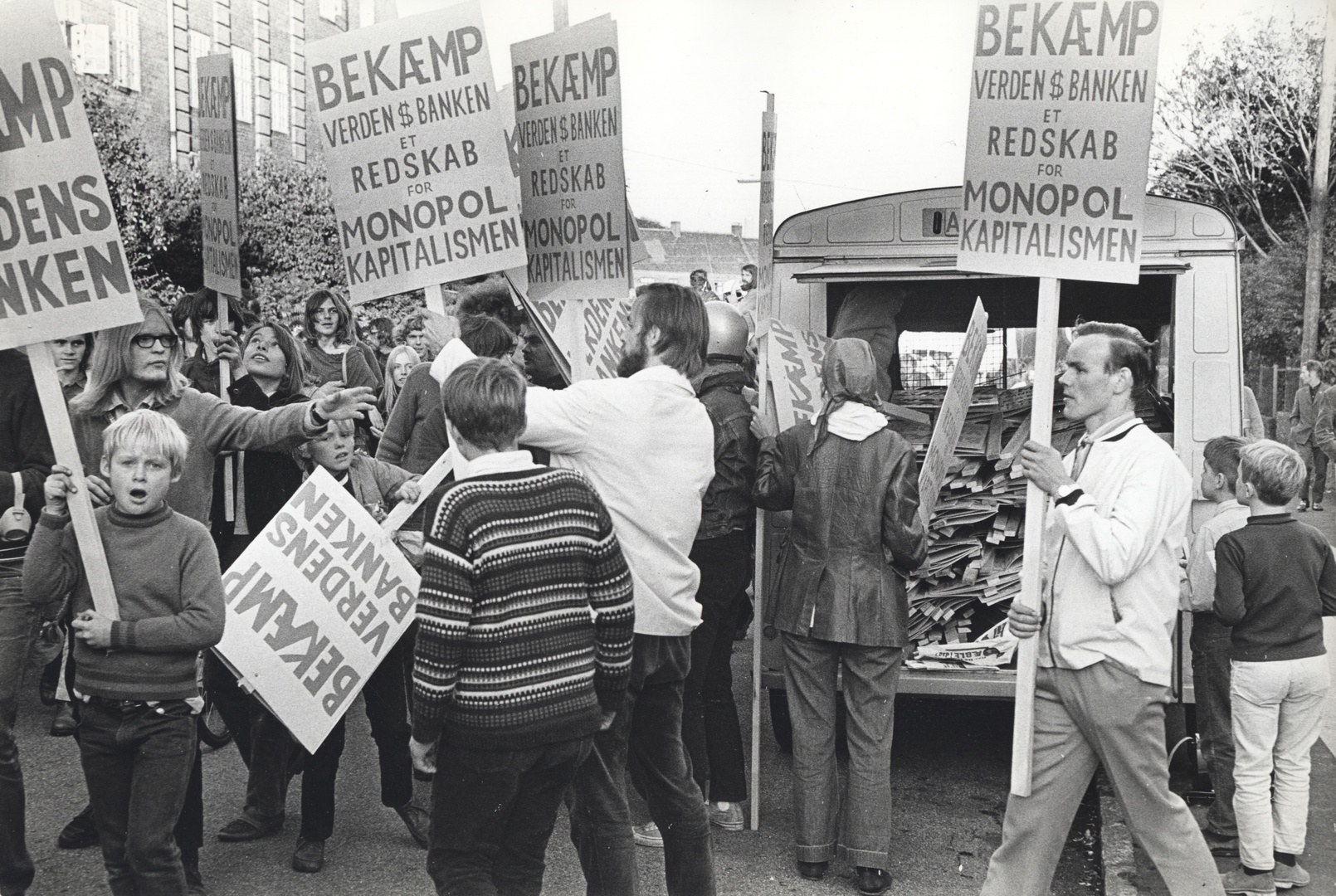
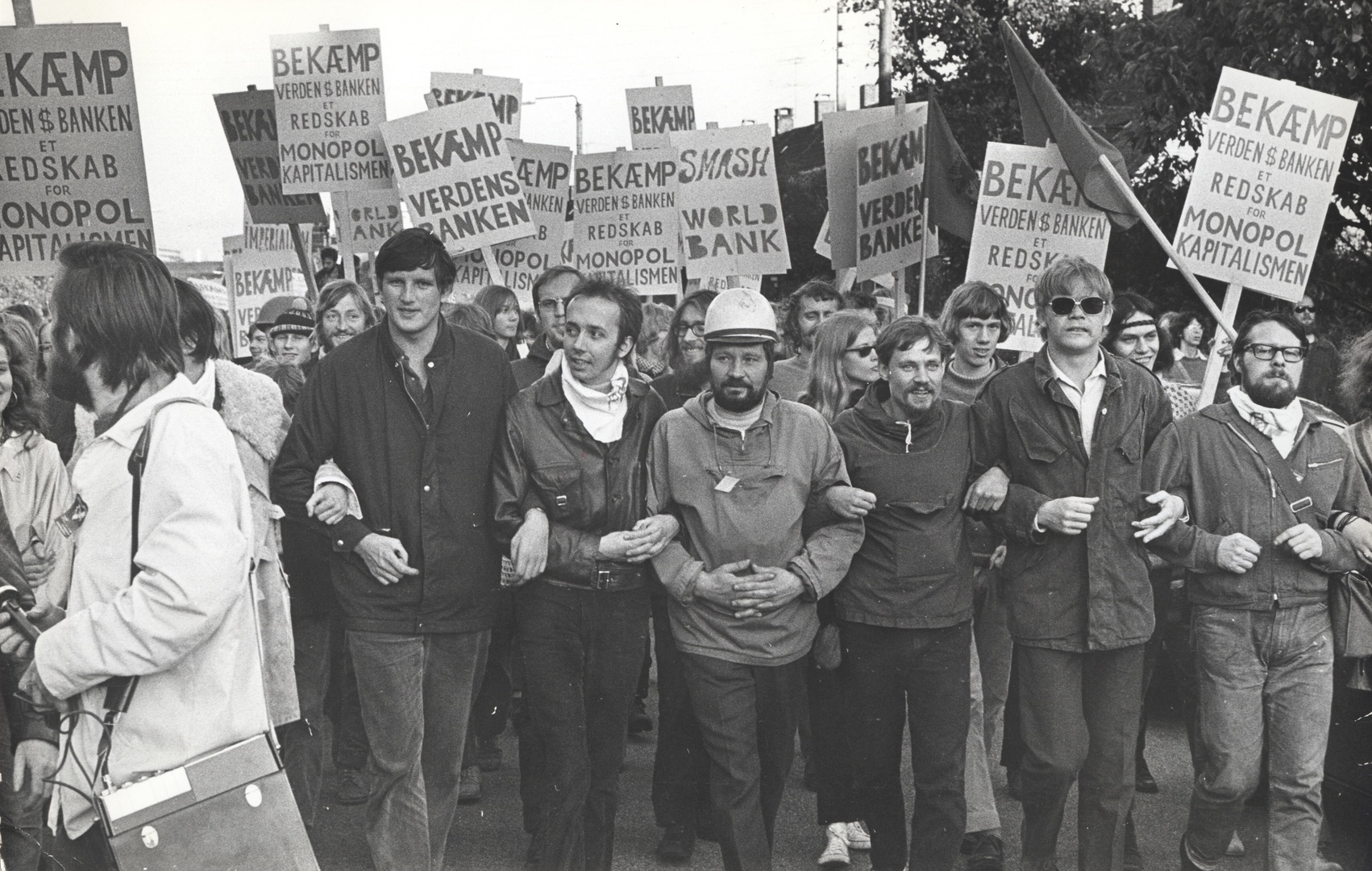
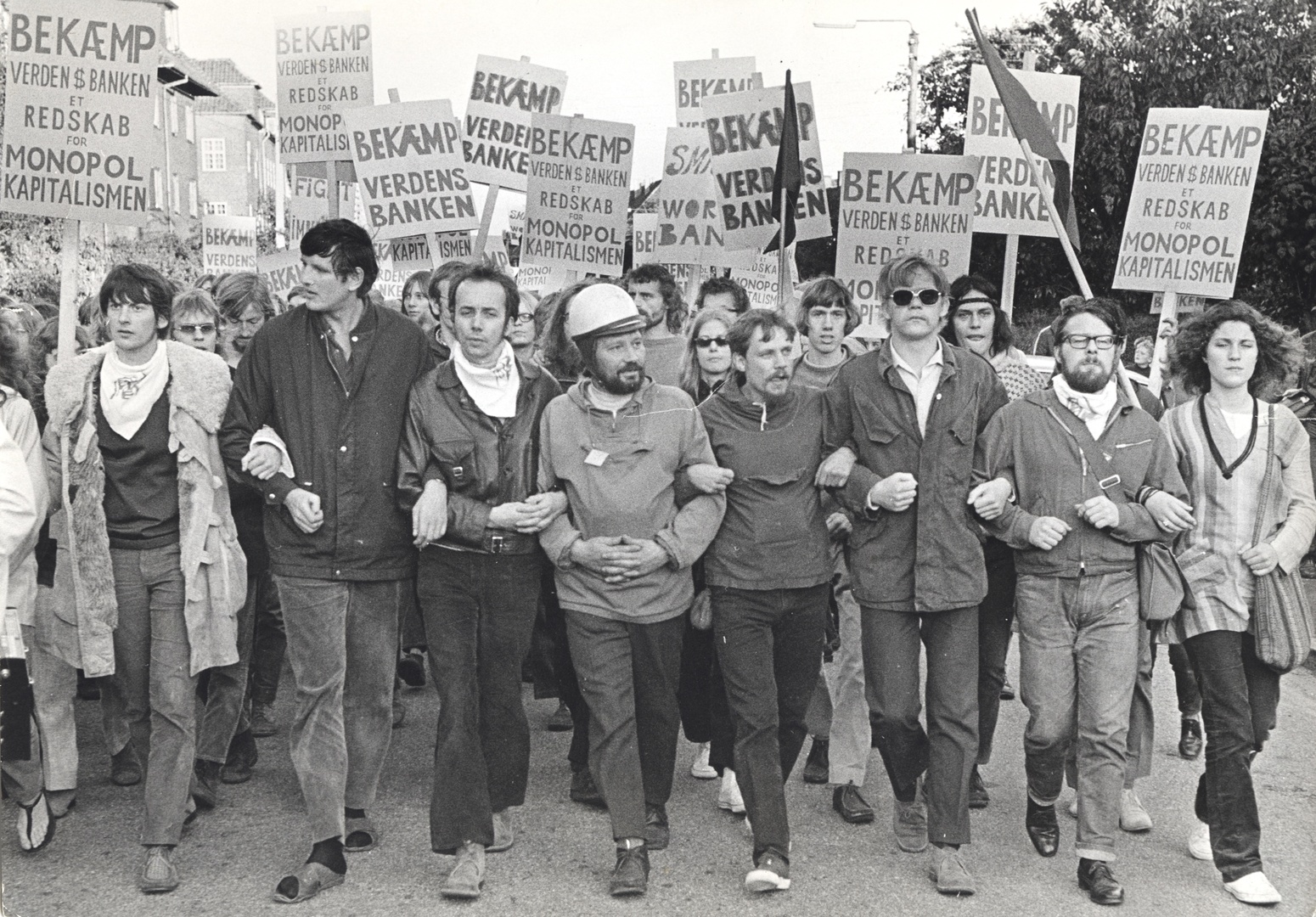
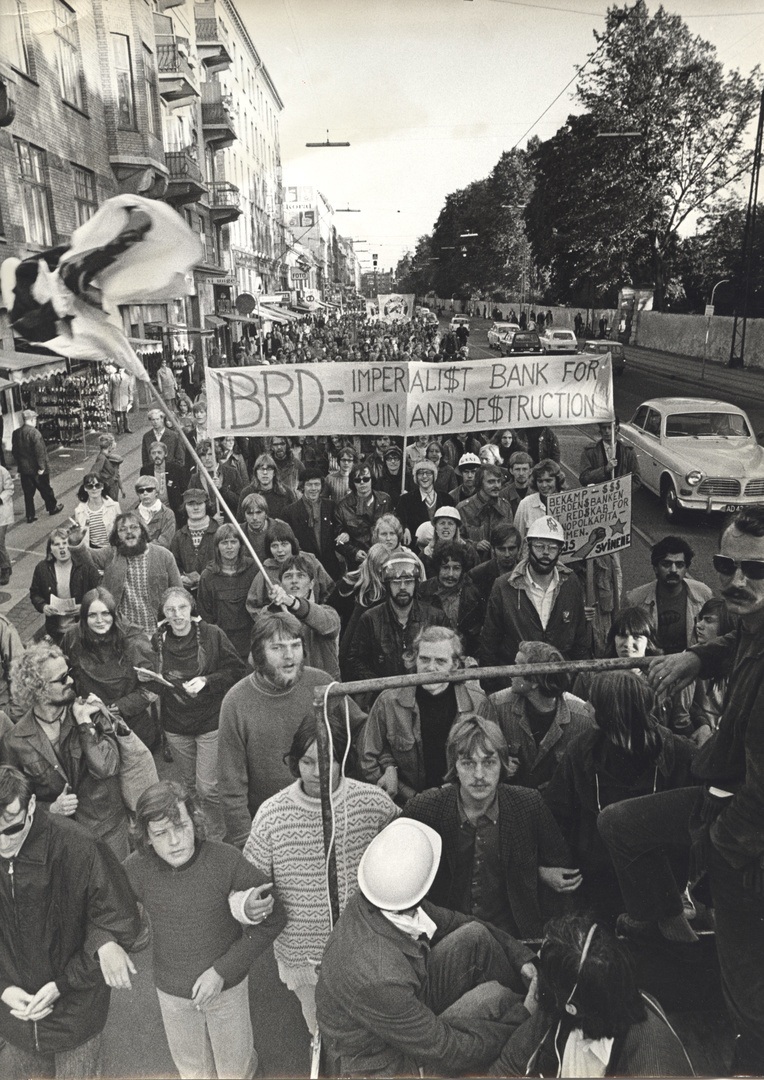
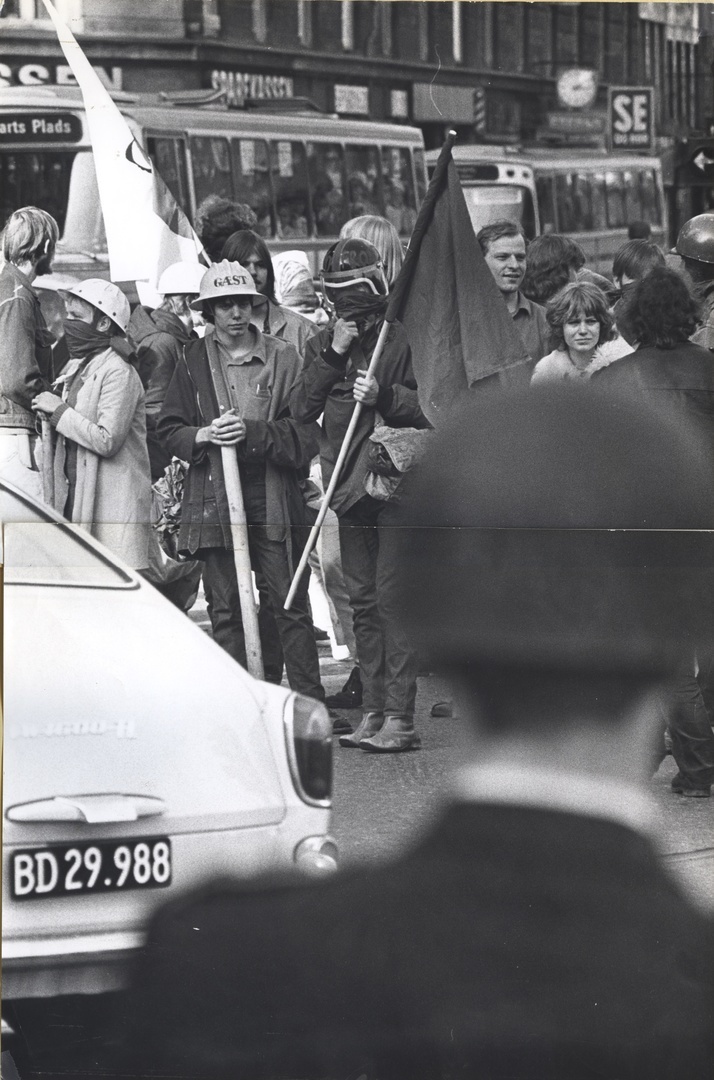
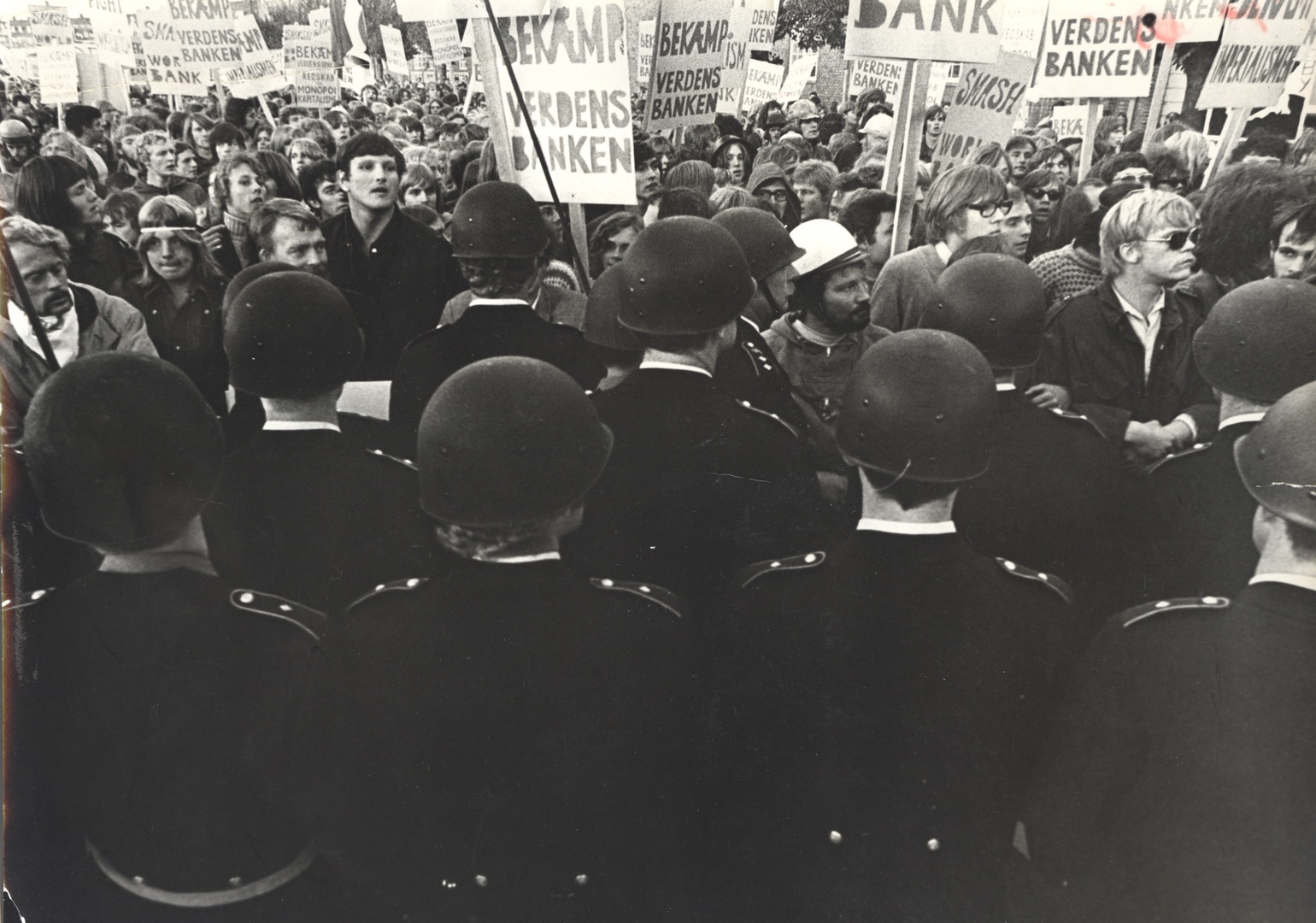
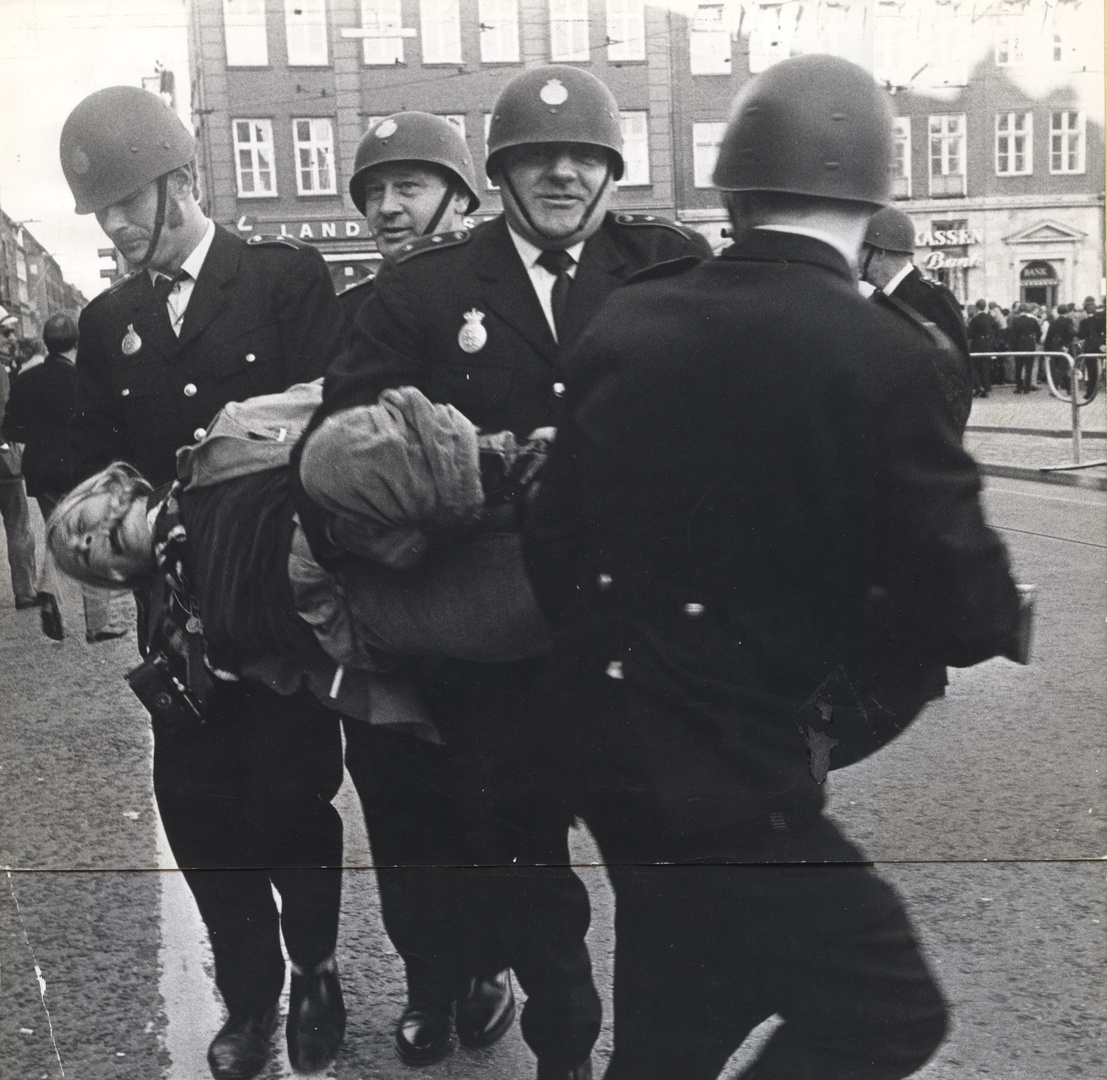
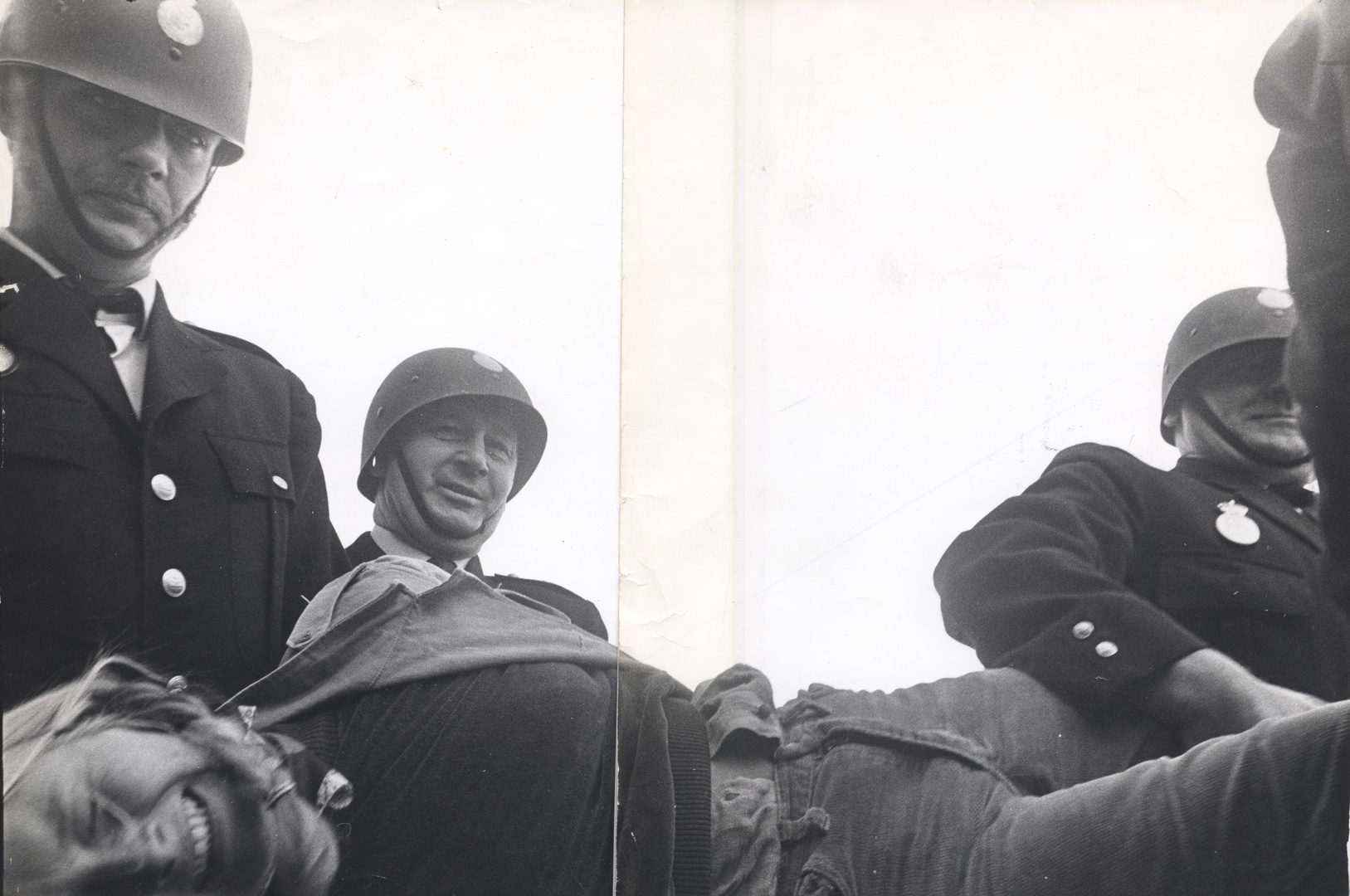
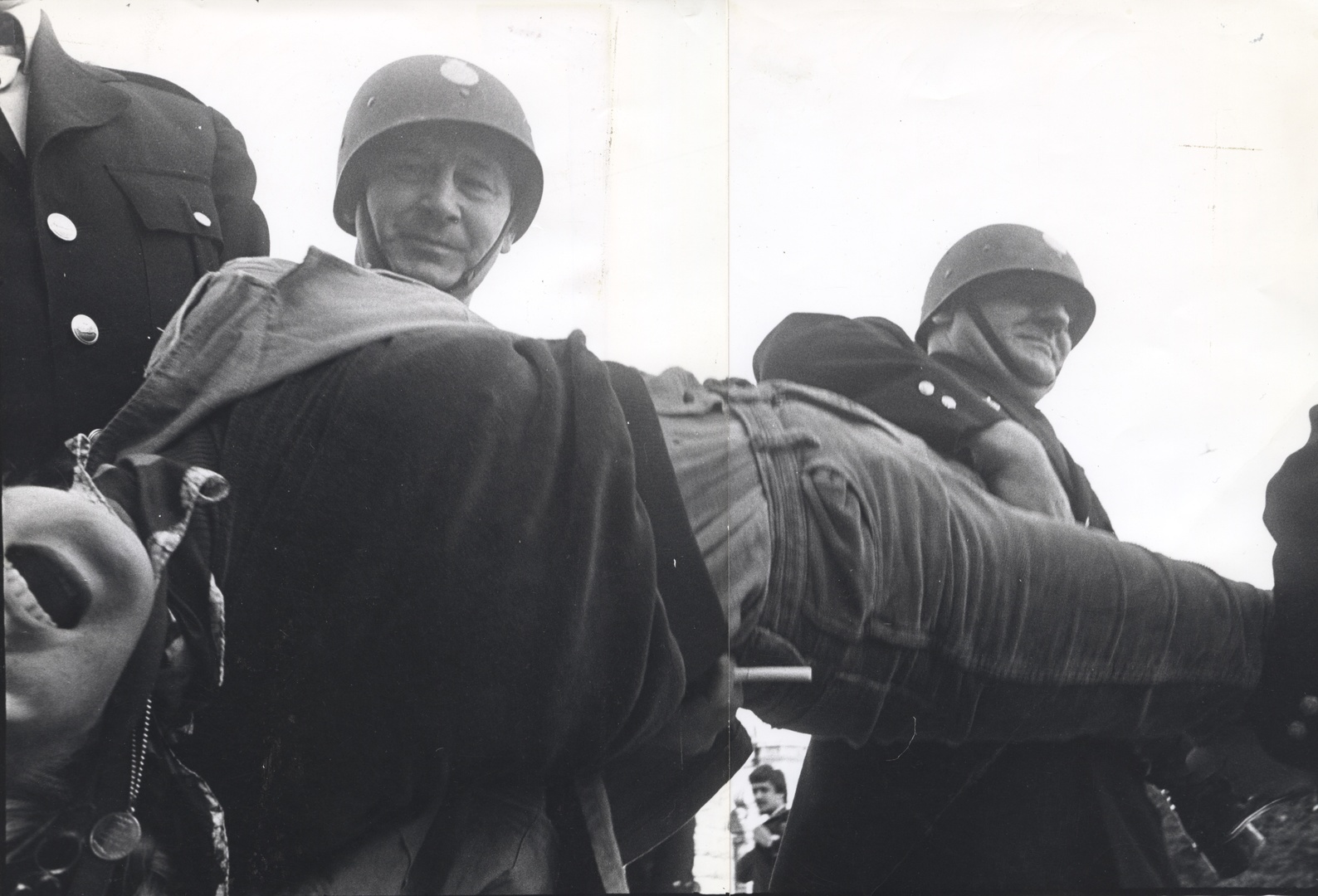
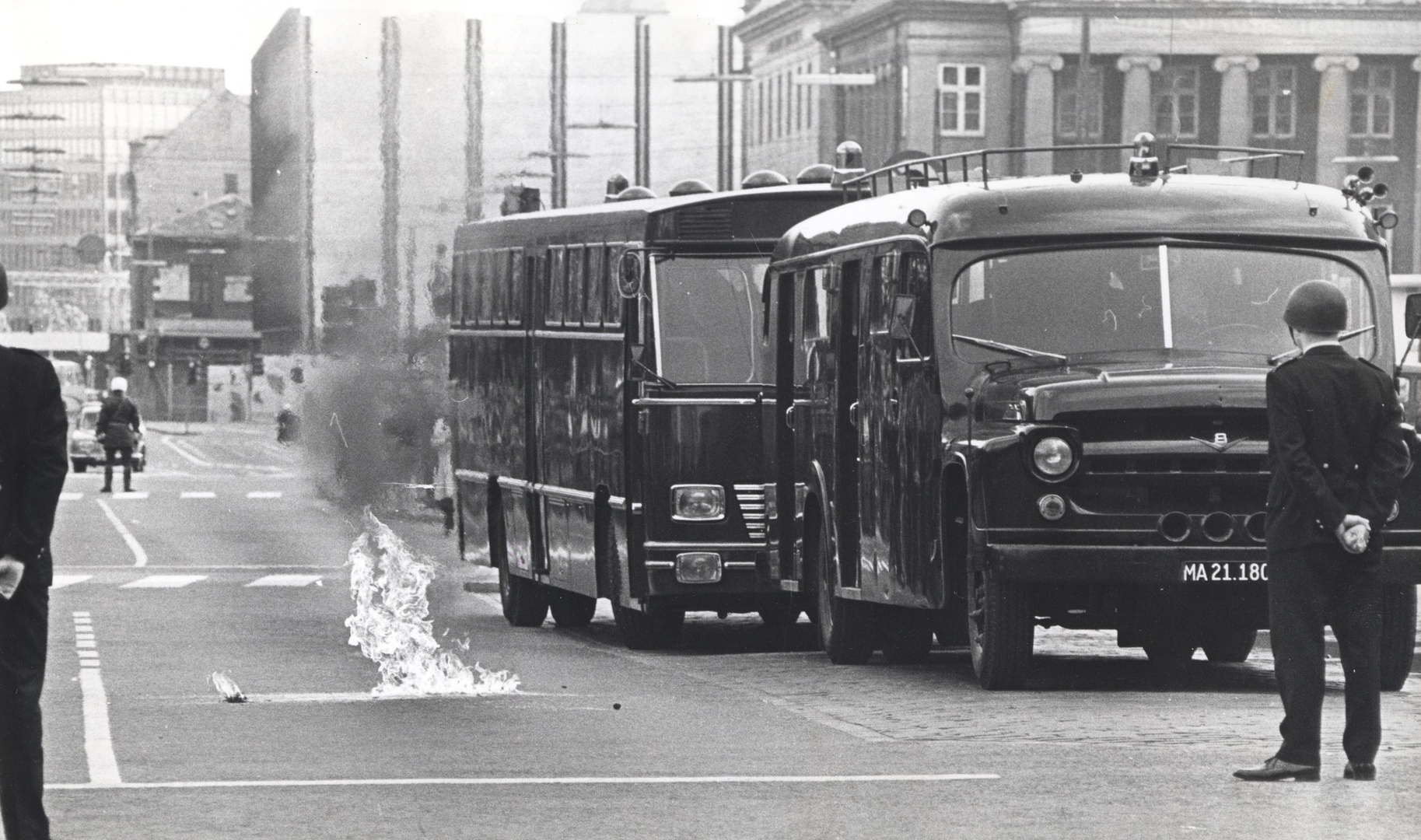
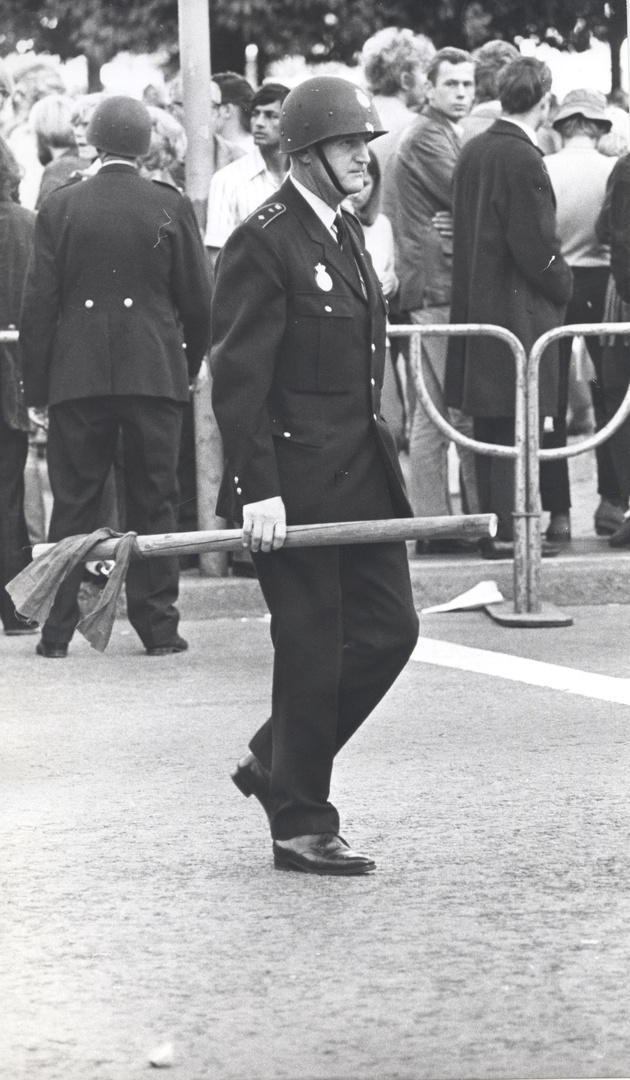
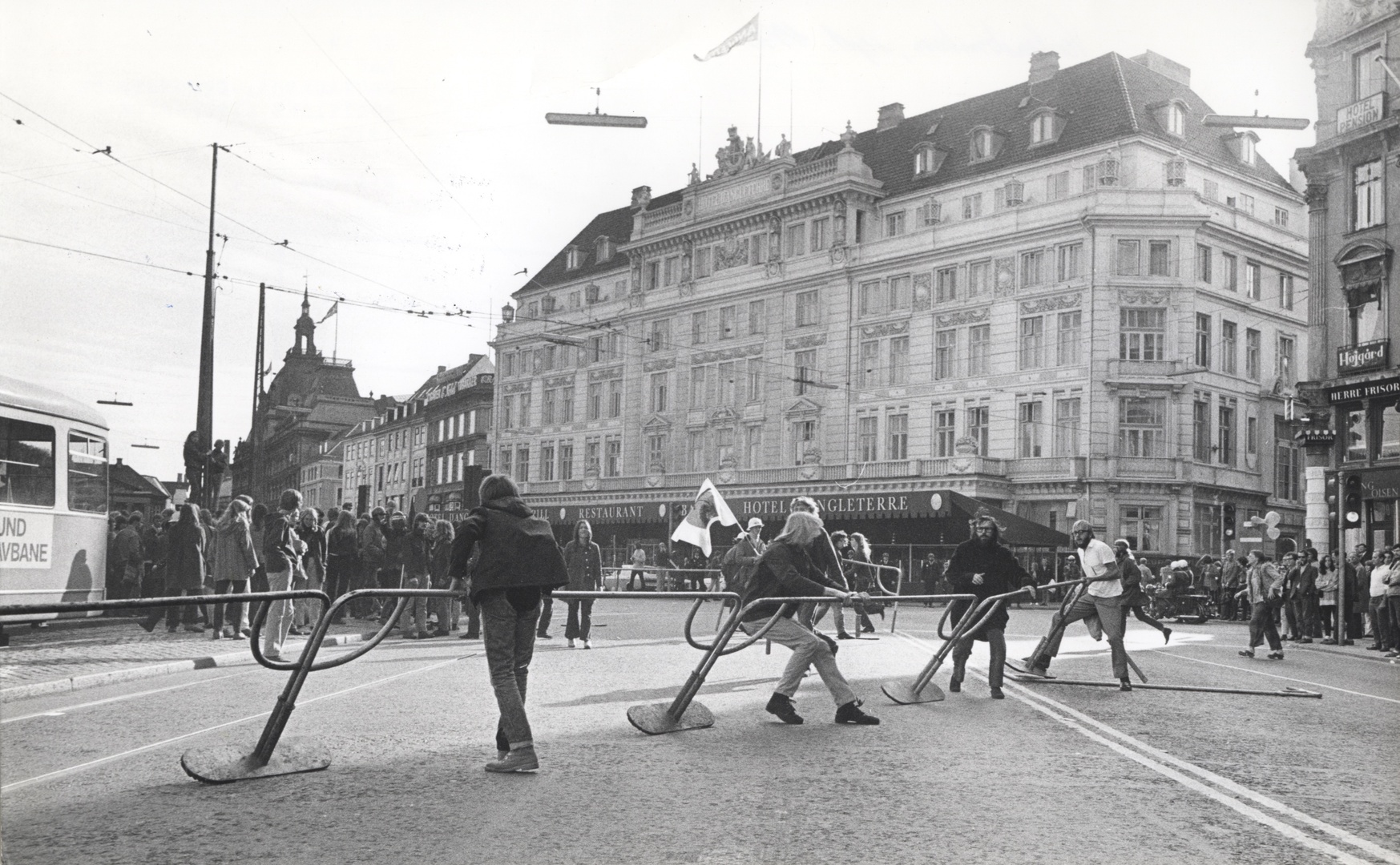
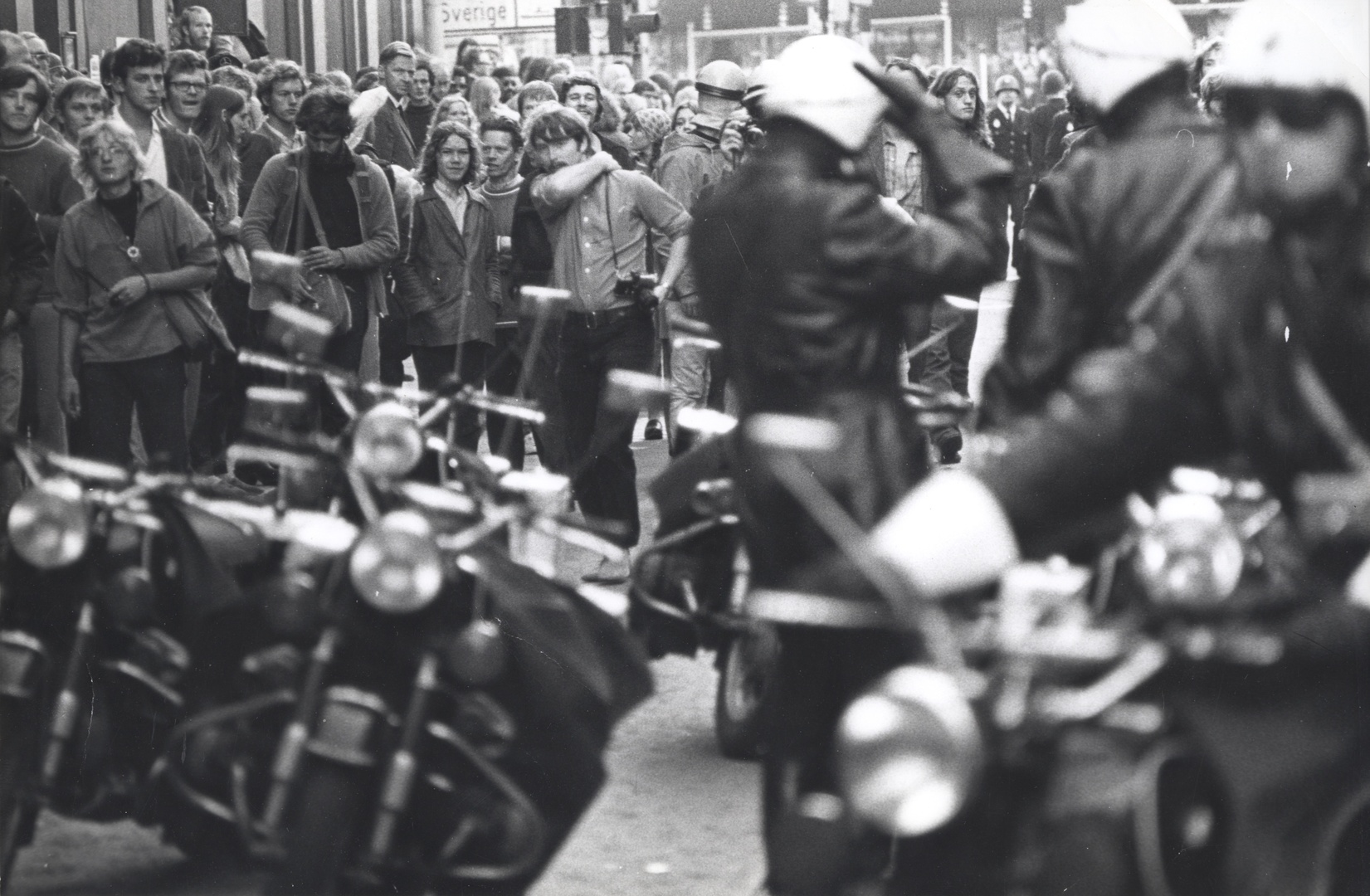
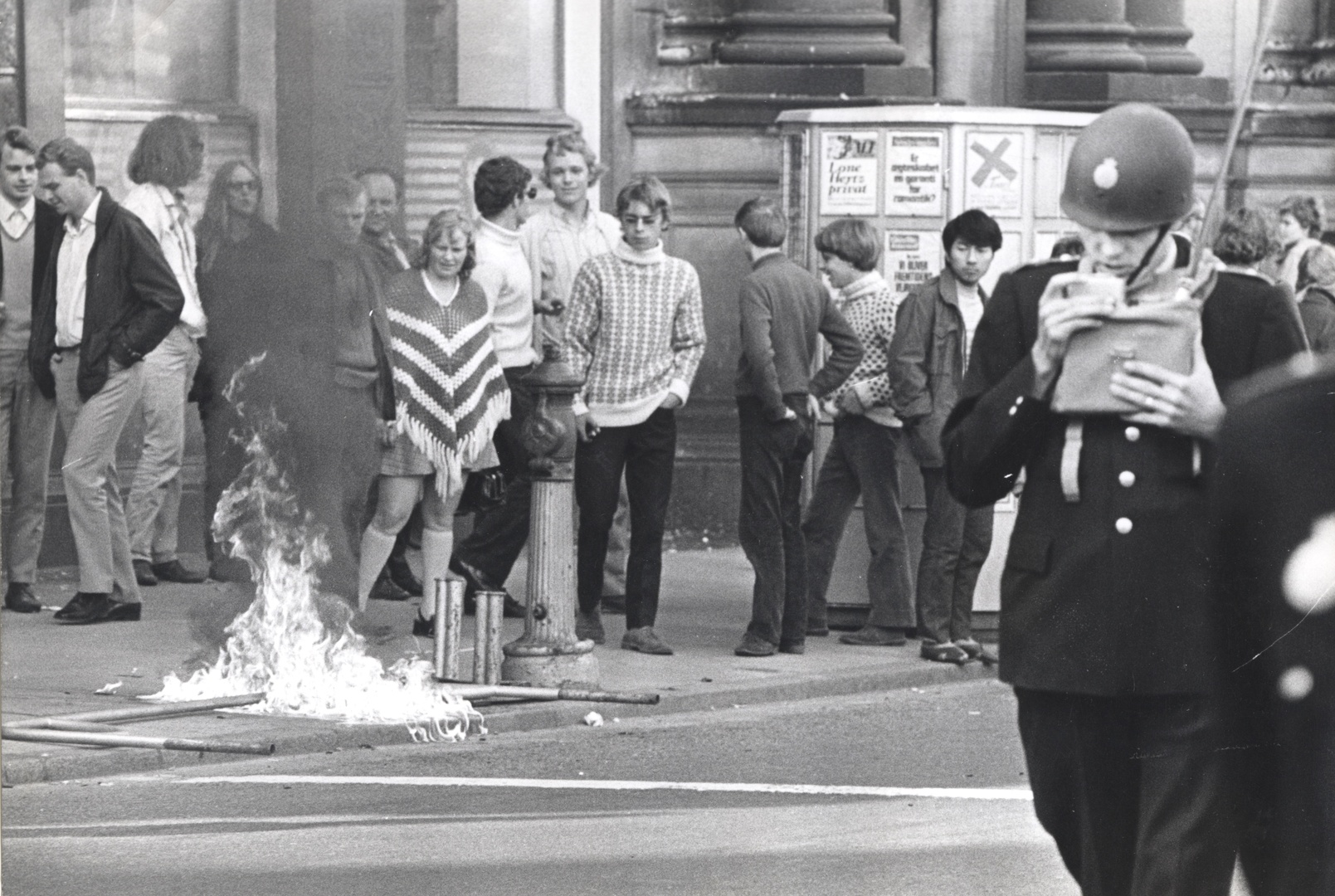
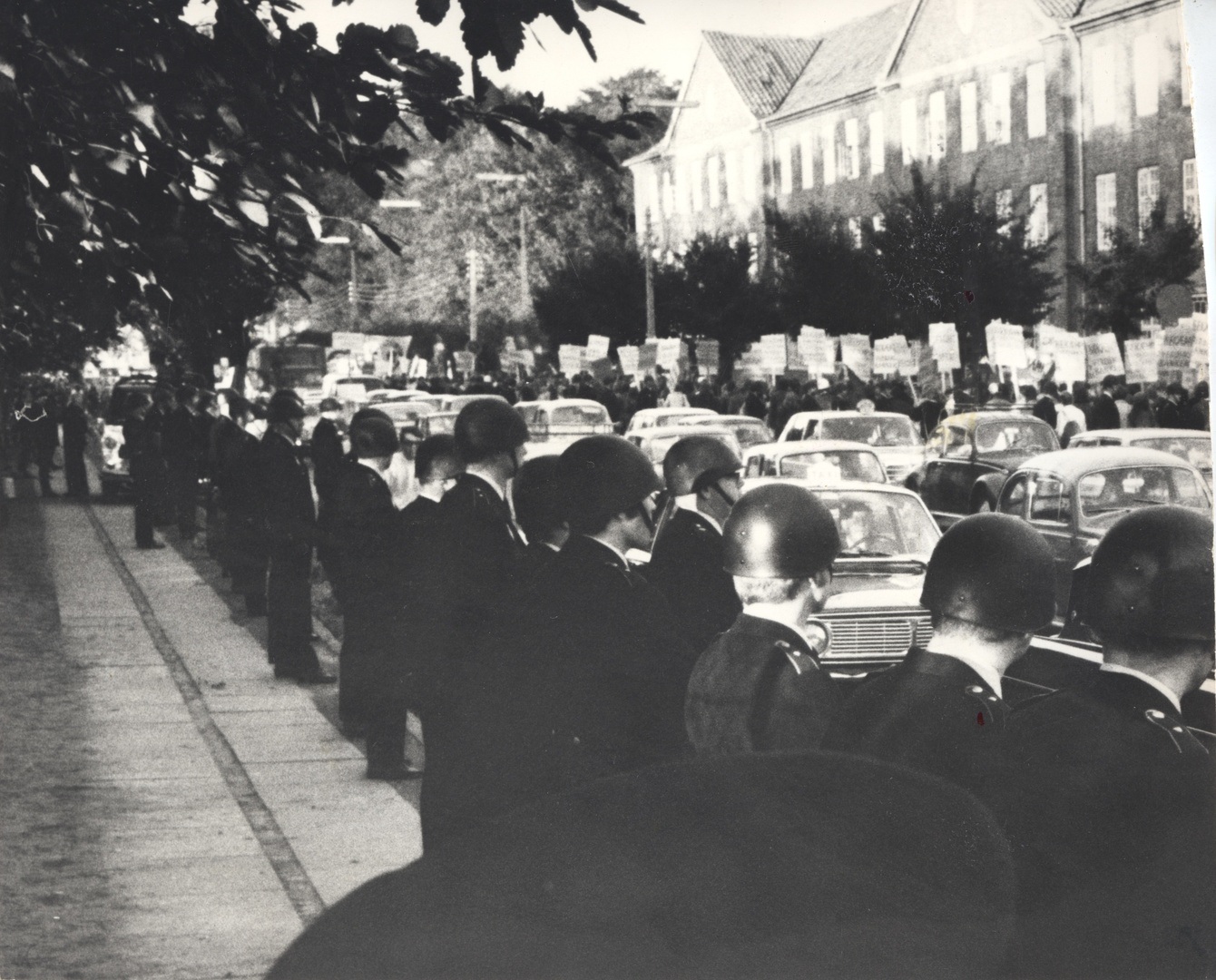
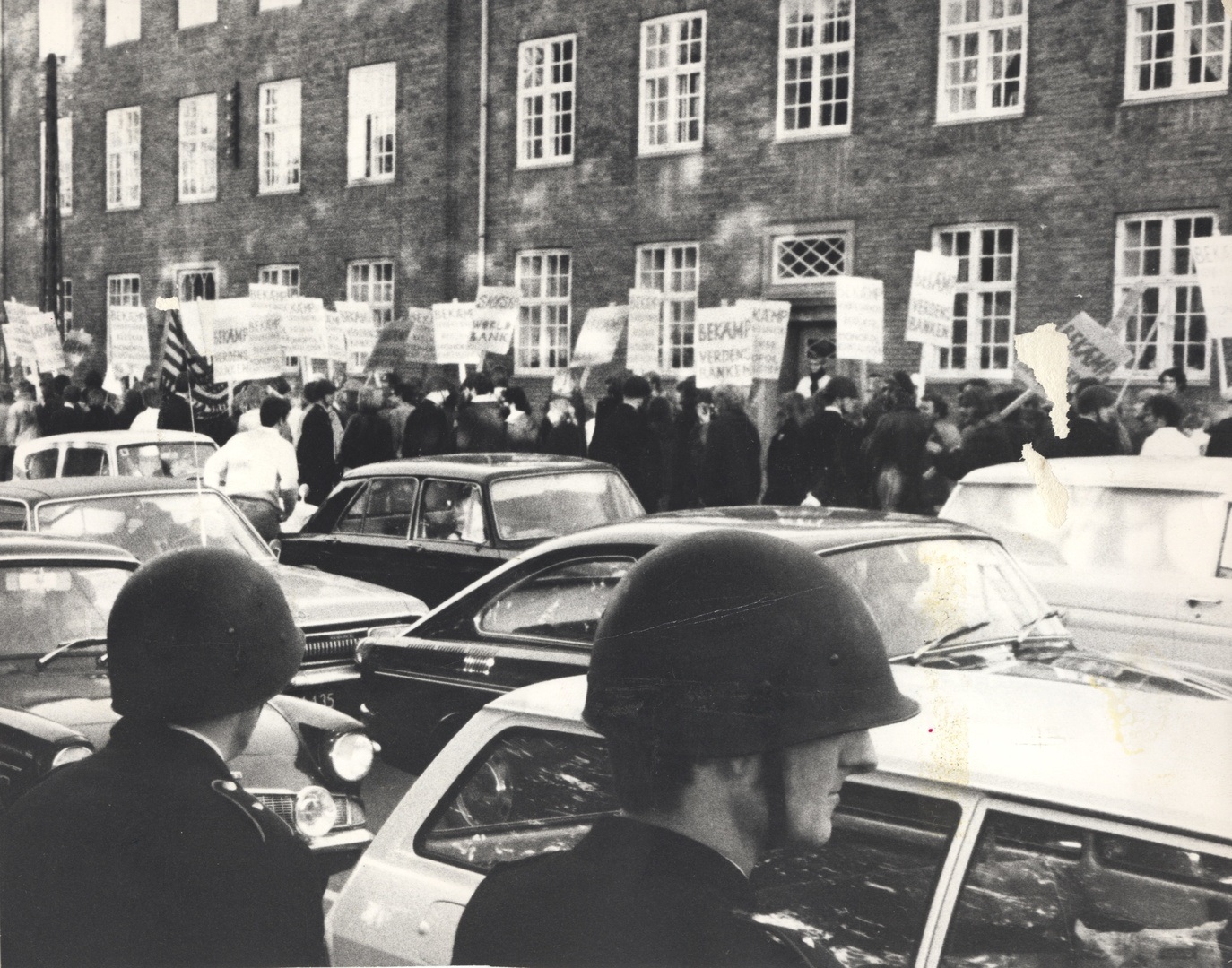
This assignment includes Source 2, where Morten Thing talks about the events during the demonstrations against the World Bank in 1970, and Source 3, which is an image series with photos from the demonstrations that Morten Thing describes.
Start by listening to the source presentation for Source 2 and then to the source itself. Do the same with Source 3.
Question:
- What do you notice in Morten’s description and the series of photos of the demonstrations against the World Bank? What is your overall impression of the events?
- Take a closer look at the people in the photo series. How do you perceive the protesters on one side and the police on the other? For example, you could look at their expressions or the emotions you can identify.
- Can the senders of the photographs have any influence on the impression you get from the images or some of them?
- Does Morten experience a boundary or transgressive behavior in connection with his experiences during the World Bank demonstration? If so, how is this expressed and why do you think it is perceived as a boundary for him?
- Can you use Morten’s father’s approach from task 1, question 4 here? Are there differences between the situations and how?
Sources for task 2
Source presentation: Source 2
Listen to the clip to get the context for Source 2
Source 2: Recollection from Morten Thing
In the clip, Morten Thing talks about the events during one of the demonstrations against the World Bank. The recollection was recorded on April 9, 2019.
Source presentation: Source 3
Listen to the clip to get the context for Source 3
Source 3: Photo series
The photos were taken during demonstrations against the World Bank. They were taken between September 20-25, 1970.
Task 3
Read the questions below first and then go to the sources found just below the questions.
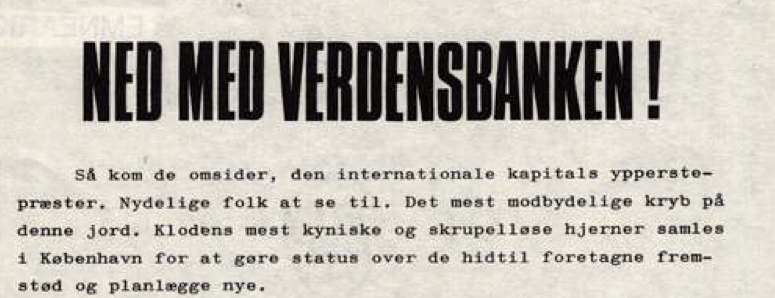
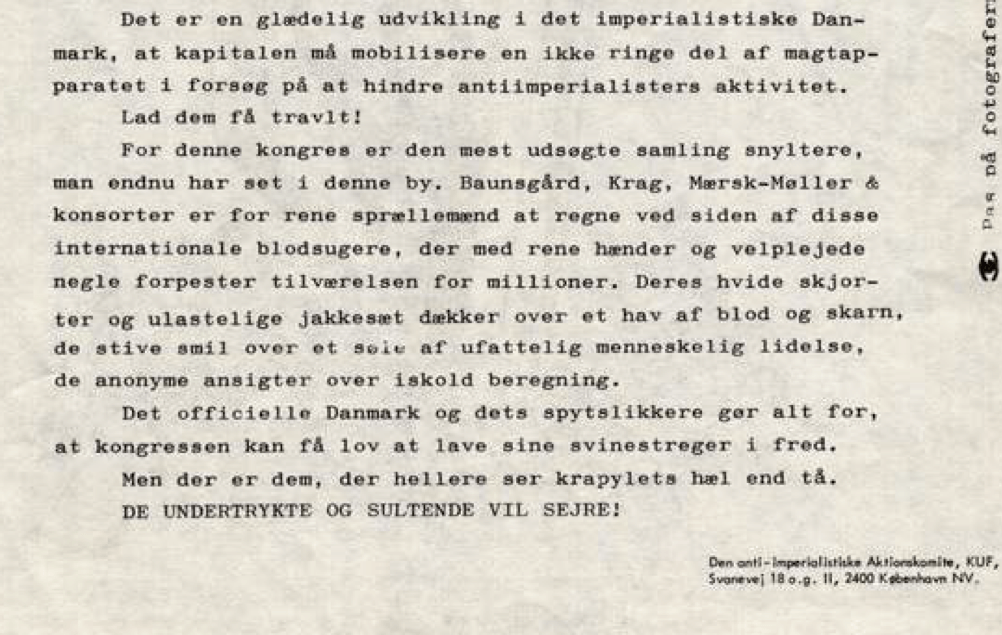
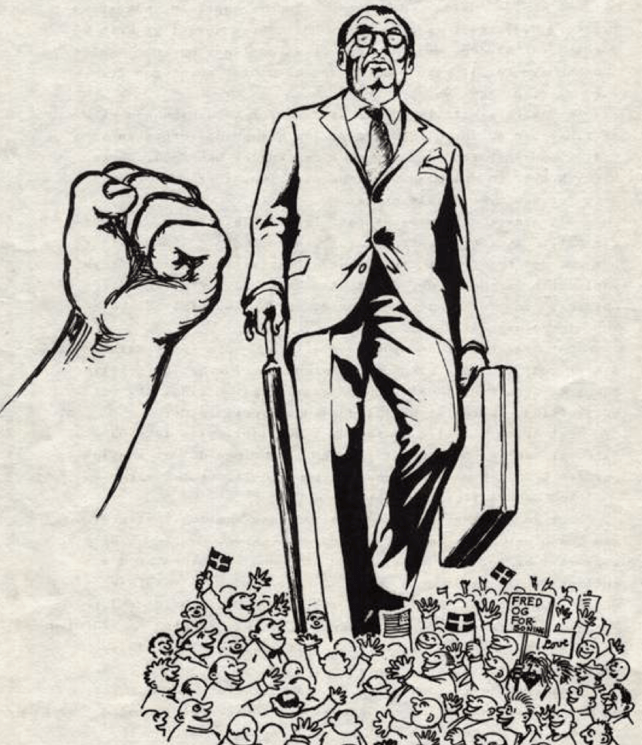
This assignment includes Source 4, where Morten Thing talks about some of the disagreements between some activists who all wanted to fight the World Bank and Source 5, where the views of some of the most radical activists are presented.
Start by listening to the source presentation for Source 4 and then to the source itself. Do the same with Source 5.
Question:
- What does Morten think about the radical and violent methods used by activists like Finn Ejnar Madsen? How is this expressed in Source 4?
- How is the World Bank and its members described in Source 5? What was the purpose of this description?
- How does this description match what you are told about the sender in the source presentation for Source 5?
- In several of the sources, Morten himself expresses that he can accept radical methods. Discuss what the difference is between the methods Morten would use and those used by Finn Ejnar Madsen and the Anti-Imperialist Action Committee.
Sources for task 3
Source presentation: Source 4
Listen to the clip to get the context for Source 4

Source 4: Recollection from Morten Thing
In the clip, Morten Thing talks about disagreements between the activists. The recollection was recorded on April 9, 2019.
Source presentation: Source 5
Listen to the clip to get the context for Source 5
Task 4
This assignment is a wrap-up where you will reflect on and discuss the sources and the activism they describe.
Questions for using memoir sources
- In the intro film, archivist Jesper Jørgensen talks about how, when working with memory sources, you need to be aware that it is a personal processing of something that happened – sometimes a long time ago. Can you identify signs that the events are long ago and that Morten remembers them? If so, could this affect the credibility of the recollection? Why/why not?
- Assess what the memory sources can be used for – what can they tell us about and what can’t they tell us about?
- How does it become clear that we are working with memory sources?
- Why should we work with memories?
Questions about the activism you have worked with
Morten Thing was part of a movement that fought the World Bank because he and other activists believed it helped perpetuate oppression and poverty in some countries at the expense of the US and Europe.
- Is it justifiable to use illegal methods such as vandalism or violent methods to fight this kind of oppression, even if it is possible to take legal action? Try to find arguments both for and against and discuss them.
- Do you get the impression that Morten has changed his mind about some of the activism he was once a part of? Come up with examples to support your arguments.