Search

EXHIBITION
We are the workers
“Everyone fights everyone, but no one wins alone”

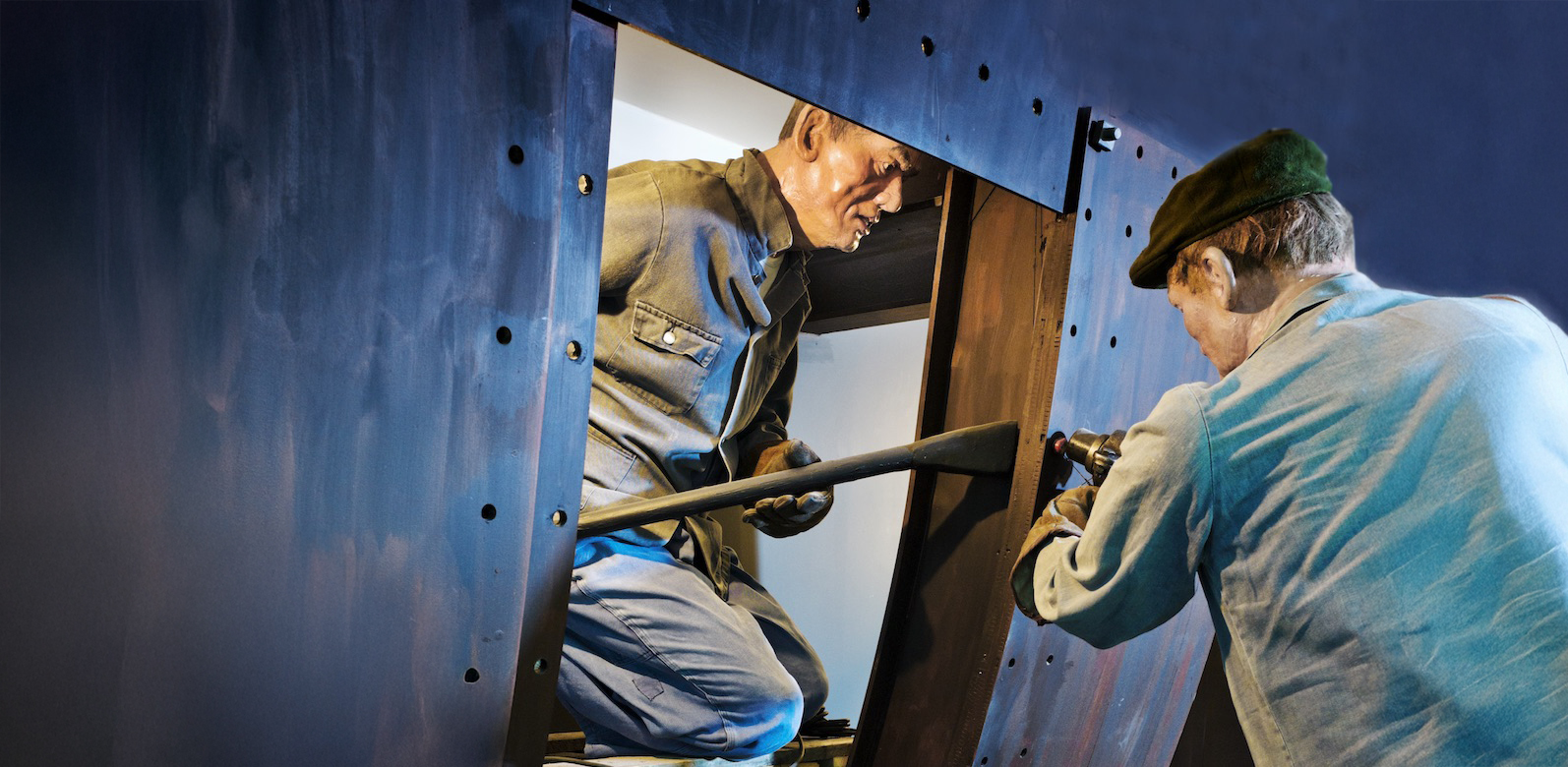
Experience the exhibition We are the workers, where you step right into Danish history. You meet servants and rural workers, machinists and white-collar workers. Skilled and unskilled workers. Individually vulnerable people, finding strength by standing together.
This is the story of equal rights, the right to vote, of strikebreakers and Dandy proletarians, conciliation and hunger. But also about reform, revolution, progress, and leisure.


Photo: Malthe Ivarsson

Photo: Malthe Ivarsson

Photo: Malthe Ivarsson


The right to a better life
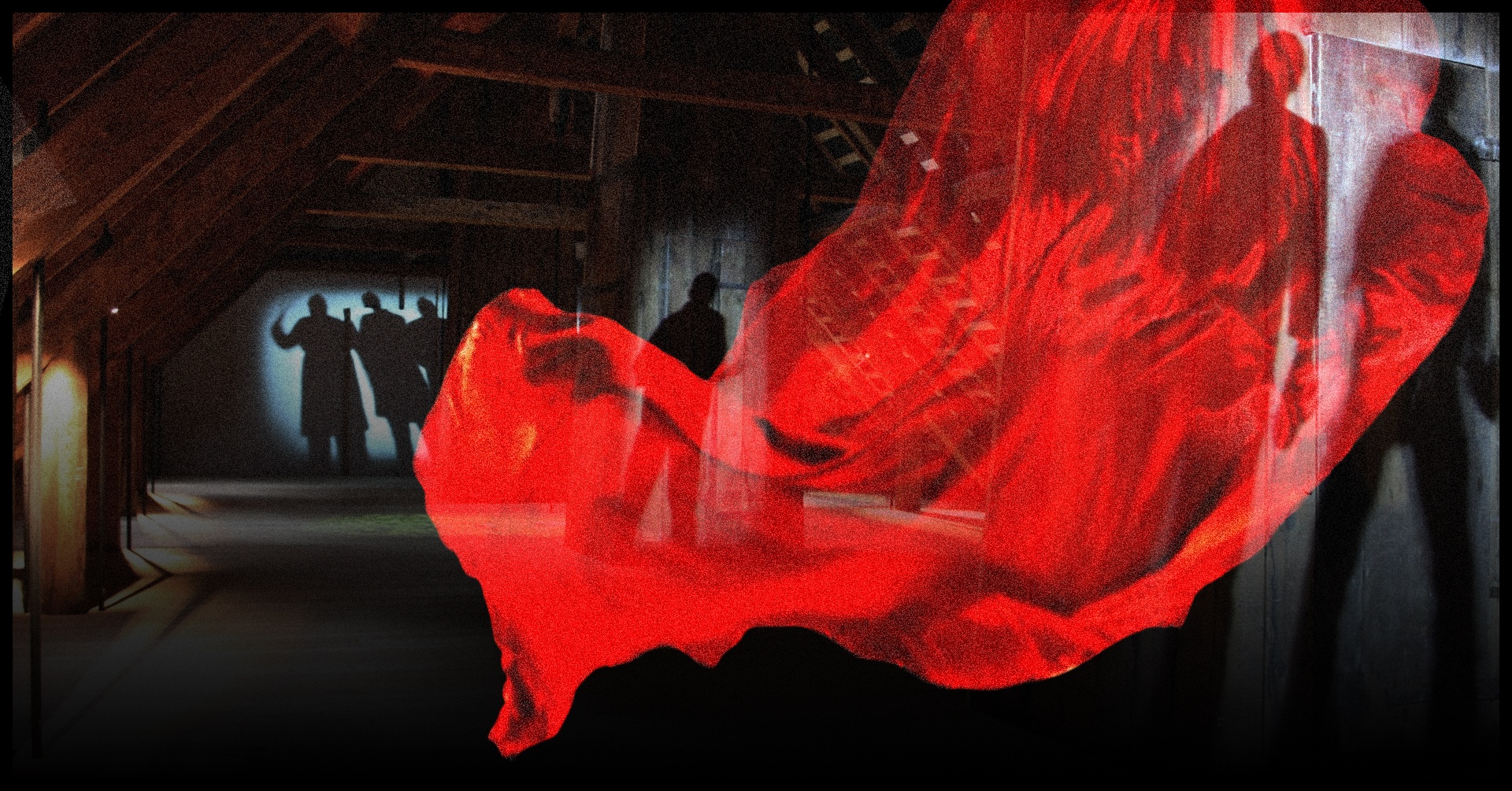
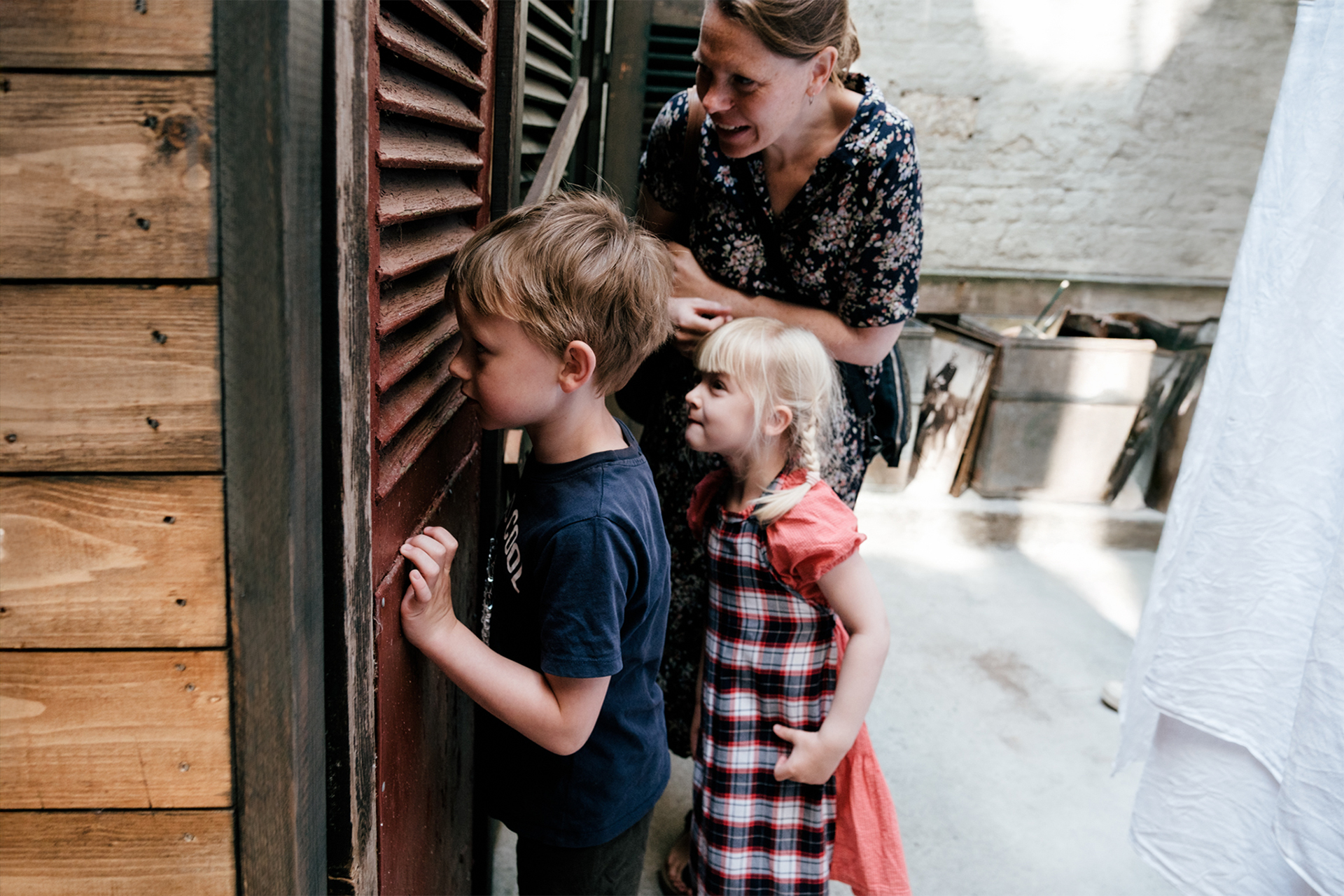
Step into the harsh life and world of the workers. In the maid’s damp room and in the family’s miserable home in the attic, where the cold creeps in between the floorboards.
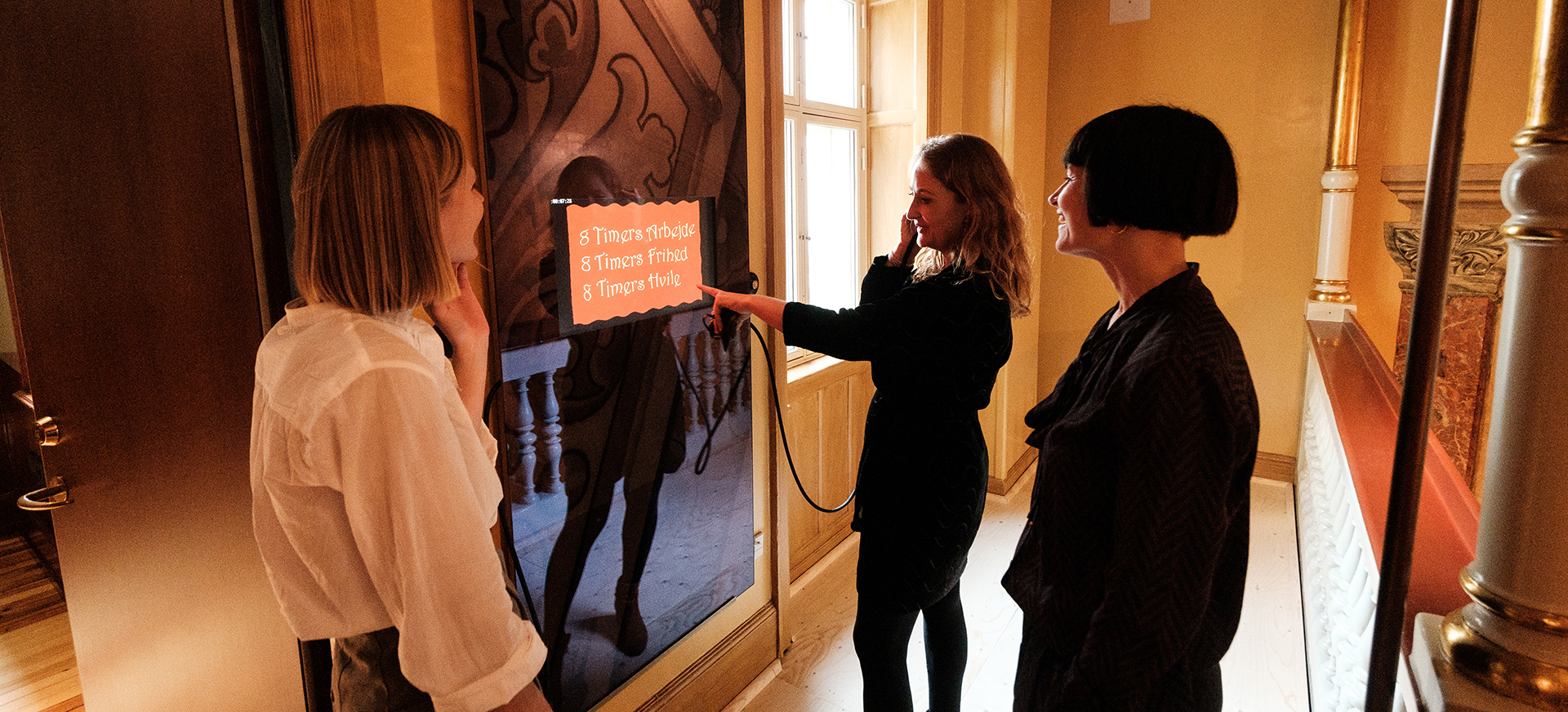
Step into a time when people were fighting for an 8-hour workday instead of 12. Where strikes and lockouts are commonplace, but not something that could sustain the family.

A 140-year-old lunch
In the exhibition, you can see Denmark’s oldest packed lunch. Rye bread with a layer of fat, wrapped in a piece of paper from the workers’ newspaper “Socialdemokraten” from August 20, 1886. Found 100 years later behind a panel at Rosenborg Castle. The craftsman who left his packed lunch there also left behind a small piece of Danish history.
The tasty fat on the cheap, hardy rye bread played the leading role in the workers’ basic diet. The packed lunch can take credit for the fact that today rye bread sandwiches are considered a special national cultural heritage.

Light across the land
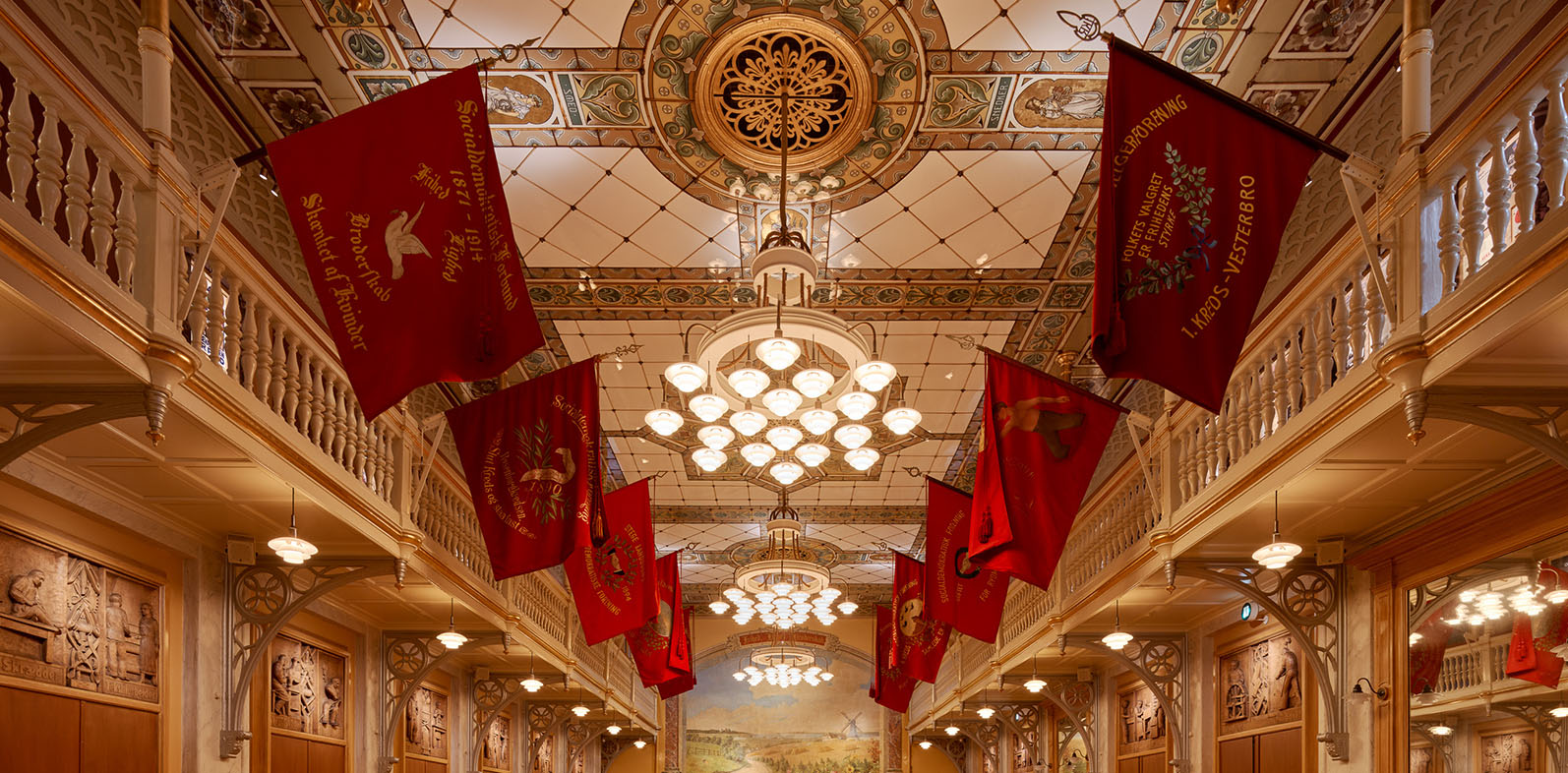
In 1919, the working day was reduced to 8 hours, giving workers real leisure time for the first time. Later came the right to vacation.
Leisure time is spent in allotment gardens, at folk high schools, at summer camp, in the choir, or in the study circle. Popular education is the new black.
The labour movement wants to create a special working-class culture where community and solidarity take precedence over the individual and competition. And where knowledge allows for power and freedom.
In the 1930s, The Workers Education Association had over 170,000 course participants annually.
The reviewers say:
“It is easy to understand that change was needed” ♥️♥️♥️♥️ Politiken May 26, 2024
“Here a conversation can begin and continue long after you have left the museum” – Information May 16, 2024
special thanks to the foundations for their support