Search
EXHIBITION
industrial work

What is a worker? From the mid-1800s until today, the answer to that question has changed drastically. New machines and processes, mass production and unemployment have forced the workers to constantly adapt. The question is, are workers even a unified group with common goals?


Photo: Ernst Nielsen, B&W, Refshaleøen 1970

Photo: B&W 196?

Photo: Peter Elfelt, 1922

Industrial work through 150 years
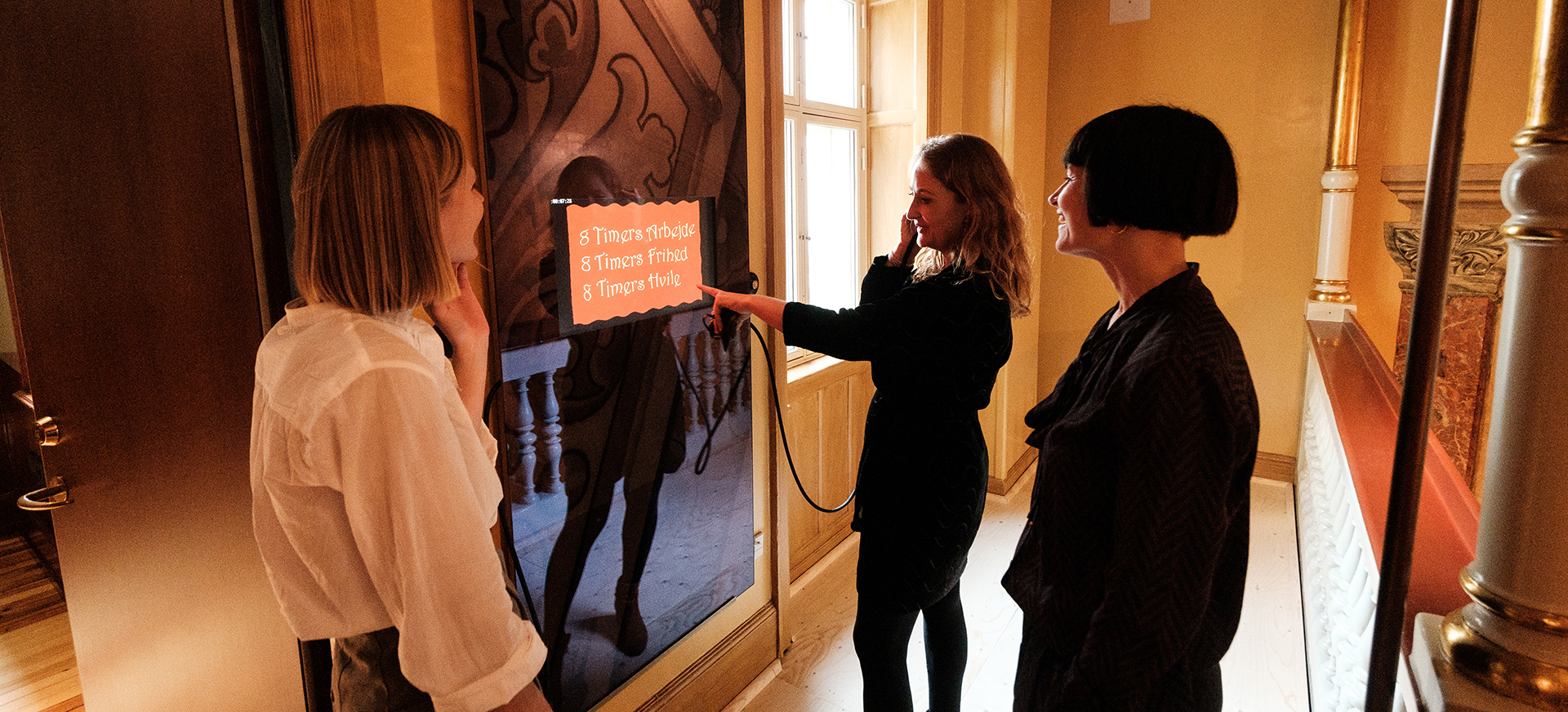
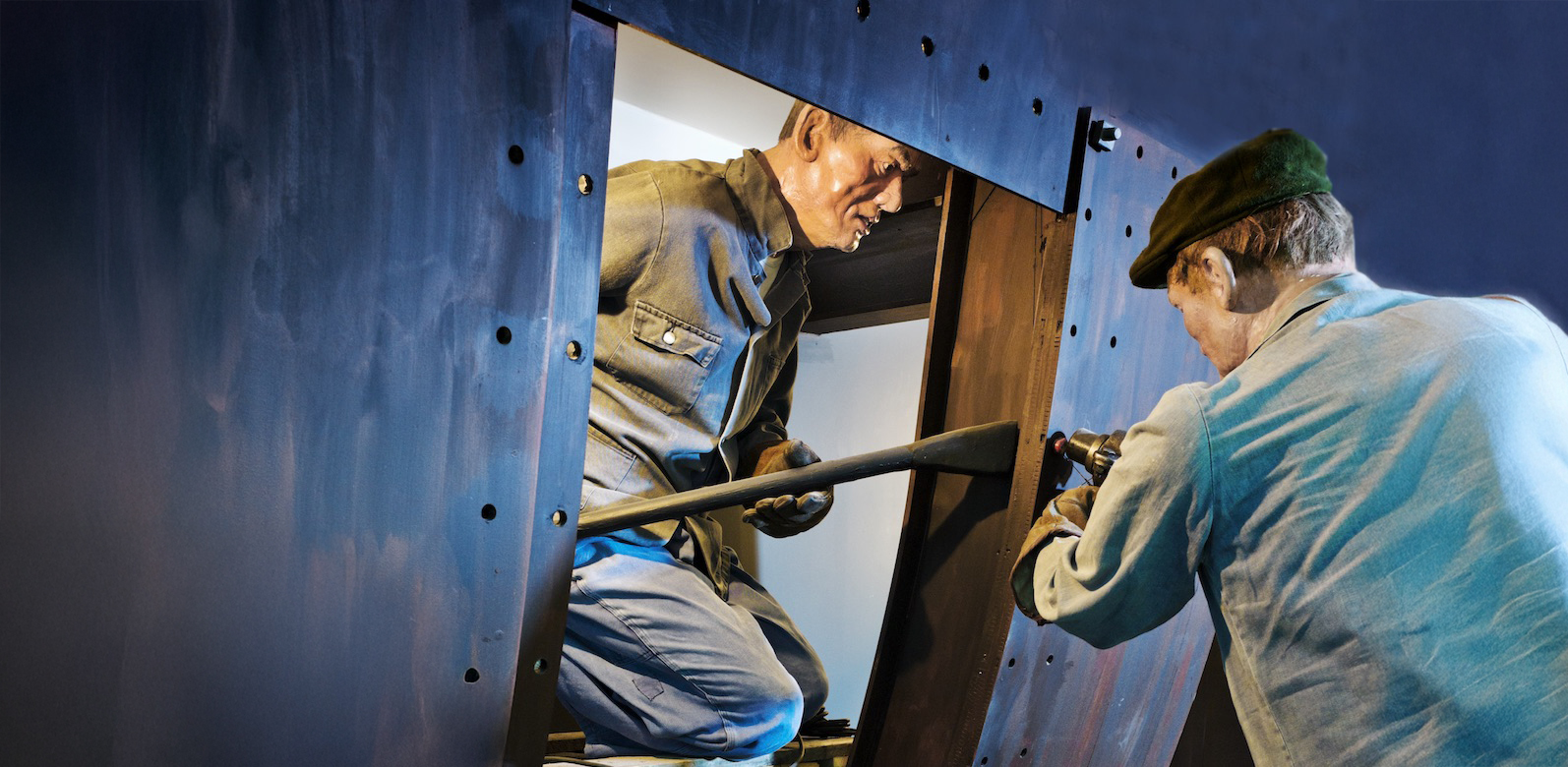
The exhibition takes you through 150 years of industrial history. Work processes, factory spaces, and people come to life through work situations from various Danish companies. See the working conditions of Carlsberg in the 1800s, B&W in the 1950s, B&O, and seamstresses in present-day Nicaragua.
One of the central points of the exhibition is that the industrial worker – more than any other social group – has had to constantly adapt to maintain employment and an income. For example, you meet the machine worker turned robot operator and the seamstress in 1970s Ikast, whose children now design logos for the sweaters that are sewn on the same sewing machine today, but in Nicaragua.

a Cultural revolution
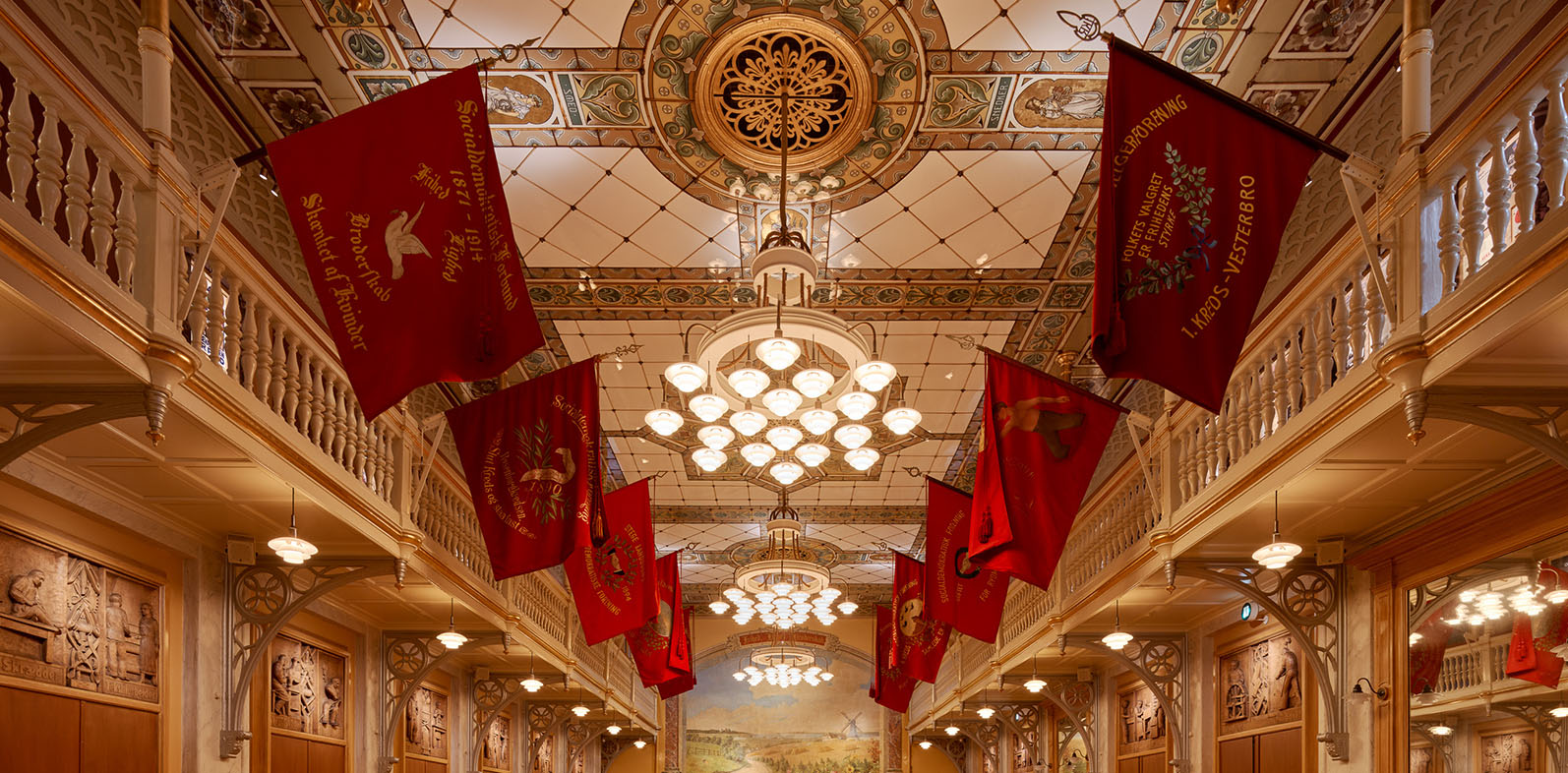
Industrialisation was not just factories, machines, and technological advances. It was a cultural revolution that transformed the daily lives of ordinary people, gender roles, family patterns, and the juxtaposition between urban and rural life. In addition, industrialisation established a new social order. The development of industrial society has affected the worker, but the worker has also influenced the development.